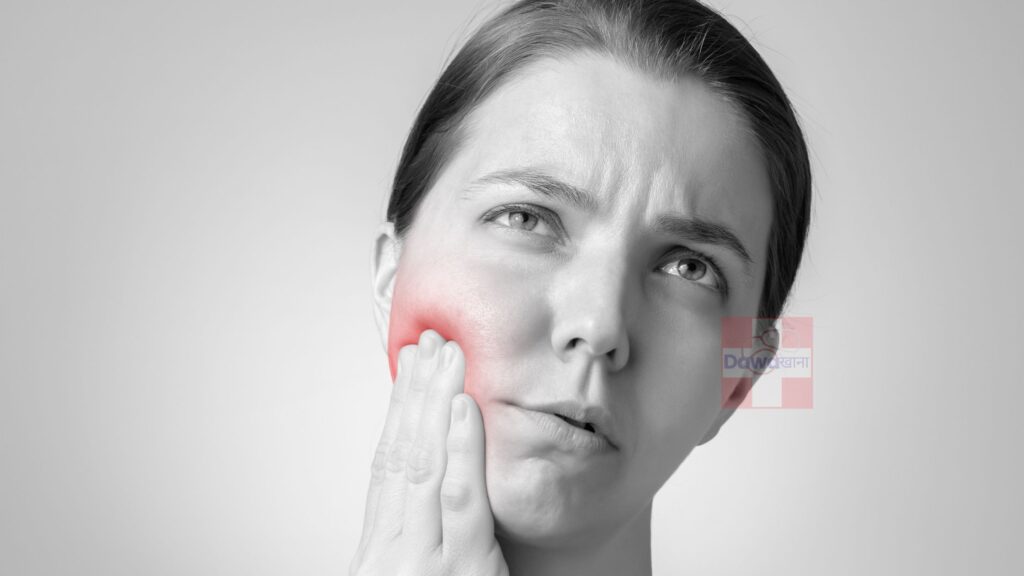
A tooth extraction is not always necessary. Your tooth can be saved depending on your stage, condition, and the available treatment. In many cases, the unbearable tooth pain can be managed. Dentists today can use conservative, non-invasive treatments that preserve the natural tooth. But what’s more important? Quick relief for toothache, especially when immediate dental care is not accessible.
Key Takeaways
-
- A tooth extraction is not always necessary
-
- Non-invasive care can help manage symptoms early
-
- Conservative treatments often preserve natural teeth
-
- Knowing how long does pain last after tooth extraction helps set expectations
-
- Proper care reduces tooth extraction pain
Quick Relief for Toothache – Home Remedies
Before considering a tooth extraction, non-invasive methods can help manage symptoms safely, especially when dental appointments are not immediately available. These approaches focus on relief, control, and slowing progression.
1. Salt Water Rinses
Warm saline rinses reduce inflammation and bacterial load, offering simple but effective relief. This method can support gum healing and may delay the need for a tooth extraction in early-stage conditions.
2. Clove Oil Application

Clove oil contains eugenol, a natural analgesic used in dentistry for temporary but quick relief for toothache. It helps manage discomfort and sensitivity, reducing reliance on immediate invasive care and easing tooth extraction pain concerns.
3. Turmeric Application
Turmeric contains curcumin, known for its anti-inflammatory and antimicrobial properties. Applying a small amount as a paste or using it in warm rinses may help reduce swelling and discomfort in mild cases.
4. Cold Compress
Applying a cold compress externally helps reduce swelling and numb the affected area. This method works well for both untreated dental pain and pain after tooth extraction.

5. Over-the-Counter Medication
Anti-inflammatory medicines such as ibuprofen help control swelling and discomfort. These medications manage symptoms but do not treat the underlying cause that may lead to a tooth extraction.
6. Remineralizing Toothpastes and Mouthwashes
Certain formulations can help repair early enamel damage and slow cavity progression. Toothpastes containing fluoride, nano-hydroxyapatite, or calcium phosphate support remineralization and may reduce sensitivity.
Mouthwashes with fluoride can strengthen enamel and lower bacterial activity, which may help delay a tooth extraction when decay is still in early stages.
Quick Relief for Toothache – Conservative Treatments That Can Save the Tooth
If symptoms persist, dentists may still avoid a tooth extraction through targeted treatments that preserve the natural structure.

-
- Root Canal Treatment (RCT): Removes infection while keeping the tooth intact, preventing pain after tooth extraction altogether
-
- Dental Fillings: Restore decayed areas and stop progression before damage becomes irreversible
-
- Crowns: Protect weakened teeth and restore function without removal
-
- Gum Therapy: Strengthens supporting tissues and reduces tooth mobility
When Is a Tooth Extraction Actually Necessary?
A dentist usually recommends a tooth extraction only when the tooth cannot be preserved through restorative or preventive care. This decision follows clinical examination, imaging, and long-term prognosis evaluation.

Common situations include:
-
- Severe decay that has destroyed most of the tooth
-
- Advanced gum disease causing tooth mobility
-
- Impacted wisdom teeth leading to infection or pain
-
- Fractures extending below the gum line
Even in such cases, exploring alternatives first can help reduce tooth extraction pain and improve long-term outcomes.
Understanding Pain and Recovery
Recovery concerns often influence decisions around a tooth extraction, particularly regarding discomfort and healing duration.
What to expect:
-
- Mild to moderate discomfort for a few days
-
- Gradual reduction in swelling
-
- Healing within one to two weeks
Many people ask how long does pain last after tooth extraction, and recovery depends on the procedure and aftercare practices.
Tips to Minimize Discomfort – Quick Relief for Toothache
If a tooth extraction becomes necessary, proper aftercare can reduce complications and improve healing.
Follow these steps:
-
- Take medications as prescribed
-
- Avoid smoking and straws immediately after the procedure
-
- Maintain gentle oral hygiene
-
- Apply cold compresses to control swelling
These steps help manage tooth extraction pain and get quick relief for toothache, effectively.
About the Author
Dr. Nipunika Shrivastava is a licensed dental professional specializing in Pediatric and Preventive Dentistry (BDS, MDS). Registered under A-09876, the focus remains on conservative care, patient education, and long-term oral health preservation.
Editorial Support: This article was reviewed and structured by Ananya Roy, an SEO content consultant focused on simplifying medical information for wider accessibility.
Conclusion
A tooth extraction should not be the first step without exploring non-invasive and conservative options. Many dental issues can be managed or even reversed in early stages with the right approach. Informed and timely care helps reduce discomfort, avoid complications, and preserve long-term oral health.
FAQs
1. Is tooth extraction always painful?
Most procedures involve minimal discomfort due to anesthesia. Proper aftercare helps control tooth extraction pain and ensures a smoother recovery.
2. How long does pain last after tooth extraction?
Pain usually subsides within two to three days, although mild sensitivity may last longer. Healing depends on the procedure and aftercare practices.
3. Is quick relief for toothache possible without extraction?
Yes, many cases can be managed using non-invasive or conservative treatments. Early care plays a key role in avoiding removal.
4. What increases pain after tooth extraction?
Smoking, poor hygiene, or ignoring aftercare can worsen pain after tooth extraction. Following instructions helps prevent complications.
5. When should urgent dental care be considered?
Severe pain, swelling, fever, or spreading infection requires immediate attention. Delaying care can worsen the condition and limit treatment options.