

(Picture: Getty Images)
Early diagnosis, a clear care plan, and consistent daily routines remain the strongest tools any family can use against dementia, and Martin Frizell’s latest update about his wife proves the point. Small, steady support at home genuinely changes outcomes, even when a cure remains out of reach. This piece translates that real-life story into practical guidance you can use today.
The News: A Hopeful Update From Martin Frizell
Martin Frizell, husband of broadcaster Fiona Phillips, has shared a fresh photograph of Fiona smiling in their kitchen, three years after she made her diagnosis public. He posted the image while backing new government social care proposals, describing them as a genuine source of hope for families managing dementia at home. Frizell has cared for Fiona since her diagnosis, and he has spoken openly about the guilt and exhaustion that many carers quietly experience while juggling work and round-the-clock support.
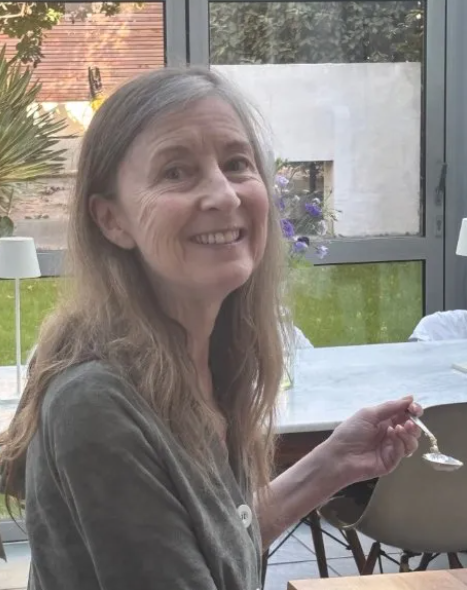
(Picture: Martin Frizell)
He noted that families dealing with a life-altering diagnosis rarely worry about small tax contributions when what they actually need is a properly funded care system. During a television appearance earlier this year, Frizell explained that Fiona no longer remembers recent milestones, such as the previous Christmas, though he insisted she remains “very much with us.” That single phrase captures something many carers recognise: connection persists even as specific memories fade.
Who Is Fiona Phillips?
Fiona Phillips became a household name presenting GMTV, the popular breakfast programme, throughout the 1990s and 2000s, later working as a newspaper columnist. She was diagnosed with early-onset Alzheimer’s in 2022, following several months of brain fog and anxiety that had puzzled both her and her doctors. Phillips chose to reveal her diagnosis publicly in July 2023, having lived with the condition privately for eighteen months beforehand. Her openness, alongside Frizell’s continued advocacy, has pushed dementia care further up the political agenda in the UK than it has sat for years.

(Picture: Getty Images)
What Is Alzheimer’s Disease?
Alzheimer’s is the most common cause of dementia, responsible for roughly six in every ten cases diagnosed in the UK. The condition gradually damages brain cells, initially affecting memory before slowly disrupting language, judgement, and the ability to manage everyday tasks. This early-onset form, which she lives with, develops before the age of sixty-five and can progress in ways that feel especially disorientating for younger patients and their families.
Recognising the Early Signs
Spotting symptoms early gives families more time to plan, seek support, and explore treatment options before the condition advances significantly. Common early indicators include:
- Forgetting recent conversations, appointments, or the names of familiar places
- Struggling to follow a conversation or find the right word mid-sentence
- Losing interest in hobbies or everyday activities that once brought enjoyment
- Feeling confused about time, dates, or familiar surroundings
- Noticeable mood swings, anxiety, or uncharacteristic irritability
Family members frequently notice these changes before the person affected does, which is why gentle, honest conversations matter enormously during this stage.
What Causes Alzheimer’s?
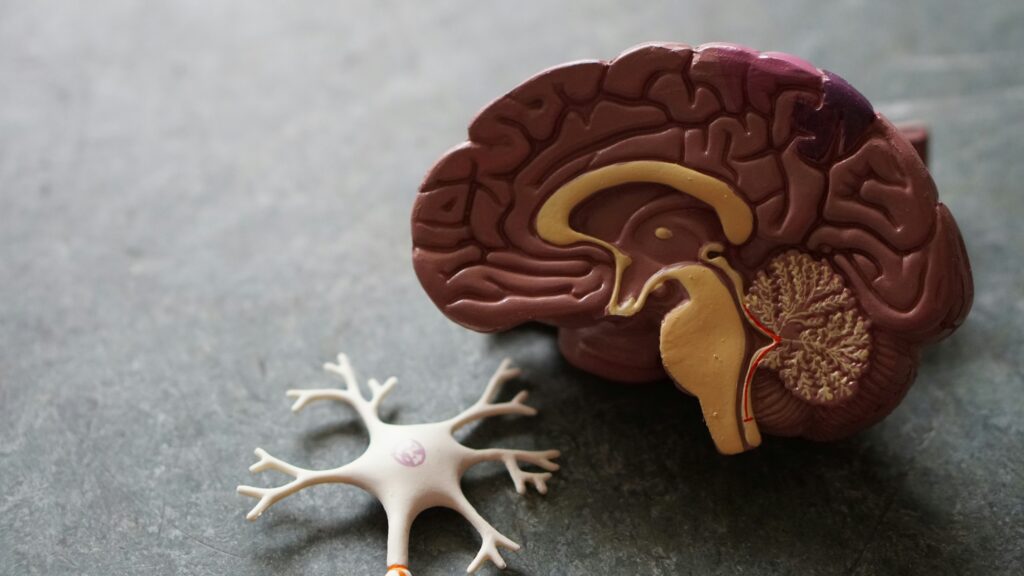
Researchers believe the condition develops when two proteins, amyloid and tau, build up abnormally in and around brain cells. Amyloid forms sticky plaques outside neurons, while tau creates tangled fibres within them, and together these changes interfere with normal brain signalling. Scientists still don’t fully understand why this process begins, though age, genetics, cardiovascular health, and lifestyle factors all appear to play a meaningful role. These biological changes typically start many years, sometimes decades, before visible symptoms ever appear.
Table: Risk Factors at a Glance
| Risk Factor | Why It Matters |
|---|---|
| Age | Risk rises significantly after 65, though early-onset cases occur younger |
| Family history | Certain inherited genes raise susceptibility |
| Heart health | Poor cardiovascular health restricts blood flow to the brain |
| Physical inactivity | Sedentary lifestyles are linked with faster cognitive decline |
| Social isolation | Reduced mental stimulation may accelerate symptom progression |
Prevention and Everyday Management

No treatment currently reverses the condition, but certain habits genuinely help protect brain function and slow progression once symptoms begin. Combining movement, structure, and social contact tends to produce the best everyday results for people living with the condition.
Yoga and Gentle Movement
Yoga encourages steady breathing, balance, and calm focus, all of which can ease the anxiety that frequently accompanies a dementia diagnosis. Chair-based yoga suits people with limited mobility particularly well, offering gentle stretching without risking falls or overexertion. Regular sessions, even just fifteen minutes a few times weekly, can noticeably improve mood and sleep quality over time.
Exercise and Physical Activity
Brisk walking, swimming, and light strength training all support cardiovascular health, which directly benefits blood flow to the brain. The NHS, Britain’s National Health Service, recommends at least 150 minutes of moderate activity weekly for adults where medically appropriate. Group exercise classes also provide valuable social contact, addressing isolation alongside physical decline simultaneously.
Home Remedies and Lifestyle Adjustments
Simple daily habits often make a meaningful difference alongside any formal treatment plan a doctor might recommend. These include:
- Maintaining a consistent daily routine to reduce confusion and disorientation
- Eating a Mediterranean-style diet rich in oily fish, vegetables, and olive oil
- Prioritising quality sleep, since poor rest worsens memory and mood
- Using memory aids such as labelled cupboards, calendars, and reminder notes
- Encouraging puzzles, reading, or music to keep the mind gently engaged
Medicines and Medical Support
Prescription options in the UK include cholinesterase inhibitors and memantine, which can temporarily ease symptoms for some patients, though they don’t stop the disease’s progression. Newer antibody treatments, lecanemab and donanemab, target amyloid plaques directly and have shown modest benefit in early-stage cases, though NHS availability remains limited.
Over-the-counter (OTC) options such as vitamin B12, vitamin D, and omega-3 supplements are widely available in UK pharmacies, though families should always discuss these with a GP before starting them. Cognitive stimulation therapy, a structured group activity designed to support thinking skills, is also offered through many NHS memory clinics.
Long-Term Care and Support
Long-term management usually involves a combination of medical oversight, practical home adjustments, and dedicated carer support. Memory clinics, Admiral Nurses, and organisations such as the Alzheimer’s Society offer guidance tailored to each family’s specific situation.
Carers like Martin Frizell often benefit just as much from support as the person diagnosed, since sustained caregiving carries its own emotional and physical toll. Planning ahead, including legal and financial arrangements, tends to ease pressure considerably once the condition progresses further.
Frequently Asked Questions
What age did Fiona Phillips receive her Alzheimer’s diagnosis?
She was diagnosed with early-onset Alzheimer’s in 2022 at the age of sixty-one, though she only revealed the diagnosis publicly the following year.
Can this condition be prevented entirely?
No guaranteed prevention exists, but regular exercise, social engagement, a balanced diet, and good cardiovascular health can meaningfully reduce overall risk.
What is the difference between dementia and Alzheimer’s?
Dementia describes a broader group of symptoms affecting memory and thinking, while Alzheimer’s is the single most common underlying cause of dementia cases.
Are there natural alternatives to prescription medication for this condition?
Yoga, structured exercise, cognitive stimulation, and dietary changes can support brain health, though they should complement rather than replace medical advice.
How can families support a loved one living with the condition?
Consistent routines, patient communication, memory aids, and connecting with carer support services all help families manage daily challenges more effectively together.