
Galpharm Hayfever and Allergy Relief is one of several cetirizine-based tablets available in UK pharmacies. When picking between brands, most people consider how quickly they work, if they cause drowsiness, and their price, not just how effective they are. Most allergy medicines use only a few main active ingredients, so it’s worth checking what’s inside each box rather than just the packaging. This guide looks at the main tablets, sprays, and natural options you can find in UK shops.
What causes hayfever and allergy symptoms?
Hayfever happens when your immune system sees pollen from trees, grass, or weeds as a threat. This makes your body release histamine, which causes sneezing, itching, watery eyes, and a blocked nose soon after you’re exposed. Year-round allergies are similar, but are usually triggered by dust mites, pet hair, or mould instead of pollen. Tree pollen is most common in early spring, grass pollen peaks in early summer, and weed pollen lasts into early autumn. Knowing the time of year can help you figure out the cause. Because allergy symptoms can look like a cold, checking when they happen and using a pollen calendar can help you tell them apart.
How Antihistamine Tablets Work
Antihistamine tablets block histamine receptors, stopping allergy symptoms before they begin. Most over-the-counter options in UK pharmacies use a few main ingredients, like cetirizine, loratadine, fexofenadine, or acrivastine. Newer antihistamines usually cause less drowsiness than older ones because they don’t reach the brain as much. How fast they work and how long they last depends on the ingredient, so some are better for daytime use while others are best taken only when needed.
Comparing the Leading UK Allergy Brands

Many well-known brands are available in pharmacies. The table below shows how they compare:
| Brand | Active ingredient | Format | Typical dosing |
| Galpharm Hayfever & Allergy Relief | Cetirizine hydrochloride 10mg | Tablet | One daily, adults and children 6+ |
| Boots Hayfever and Allergy Relief | Cetirizine hydrochloride 10mg | Tablet | One daily, adults and children 6+ |
| Bells Healthcare Hayfever and Allergy Relief | Loratadine 10mg | Tablet | One daily, adults and children 6+ over 30kg |
| Benadryl Allergy Relief Capsules | Acrivastine 8mg | Capsule | One as needed, up to three times daily |
| Otrivine Allergy Relief | Xylometazoline hydrochloride | Nasal spray | Up to three sprays daily, each nostril |
| Sterimar Hayfever & Allergy Relief | Natural seawater, drug-free | Nasal spray | Two to six sprays daily |
| Crescent Allergy and Hayfever Relief | Cetirizine dihydrochloride 10mg | Tablet | One daily, adults and children 6+ |
Boots offers a once-a-day tablet with loratadine and another with cetirizine, so you can choose between the two most common non-drowsy ingredients in one place. Both Boots Hayfever and Allergy Relief options are usually found together on the same shelf at a similar price. Boots also has a basic Allergy Relief label for its own range, which covers year-round symptoms. Bells Hayfever and Allergy Relief, made by Bells Healthcare, is a loratadine alternative at a good price, and the Bells Healthcare Allergy Relief range also includes products for children.
Galpharm Hayfever and Allergy Relief Dosage
Knowing the right dose for Galpharm Hayfever and Allergy Relief helps you treat symptoms properly without taking too much. Adults and children aged 12 and over should take one 10mg tablet once a day with water. Children aged six to eleven should take half a tablet twice a day instead of a whole one. This tablet isn’t suitable for children under six. If you have kidney problems, talk to a pharmacist first, as you might need a lower dose.
Benadryl and Other Fast-Acting Alternatives
Benadryl allergy relief capsules with acrivastine are different from once-daily tablets because acrivastine starts working in about fifteen minutes but does not last as long. Because of this, Benadryl allergy relief plus decongestant is better for sudden attacks than for all-day protection. Adults and children aged twelve to sixty-five can take one capsule when needed, but no more than three doses in 24 hours. This product is not recommended for adults over sixty-five or children under twelve, as there is not enough safety information for these groups.
Home Remedies Alongside Medicated Options
Tablets and sprays work best when you also follow a few simple habits to reduce your exposure to allergens. Using a saline nasal rinse removes pollen trapped in your nose without medication, and inhaling steam helps loosen thick mucus. Putting a cold compress over your closed eyes can quickly ease itching and swelling, and staying hydrated helps thin mucus. Taking a shower before bed washes off pollen you picked up outside, so it does not get on your pillows. Wearing wraparound sunglasses and keeping windows closed during peak pollen times gives extra protection without needing more tablets.
Yogic Practices and Breathing Exercises
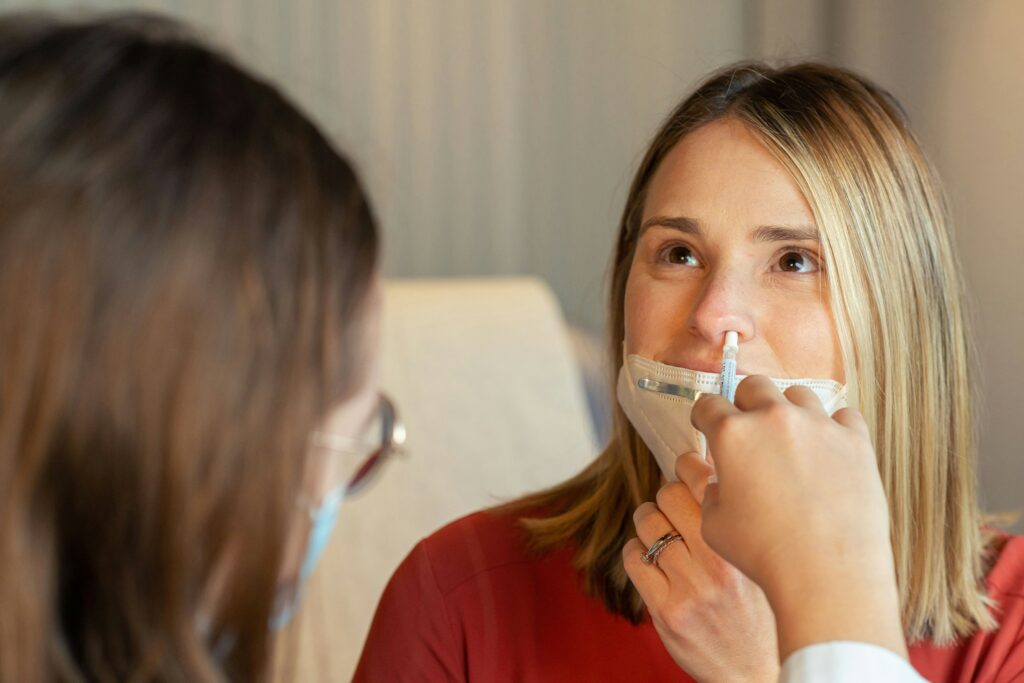
Traditional yogic breathing techniques can gently support regular allergy treatments during flare-ups, without using medicine.
Jal Neti (Nasal Irrigation)
This practice uses a neti pot with warm salty water to gently flush pollen and mucus from each nostril in a few minutes.
Kapalabhati (Skull-Shining Breath)
This technique uses short, strong breaths out through the nose to help clear stubborn congestion and improve your breathing. If you are new to it, start gently and stop if you feel dizzy.
Anulom Vilom (Alternate Nostril Breathing)
Breathing through one nostril at a time, while closing the other with your finger, can help calm your nervous system. Doing this for ten minutes each morning and keeping it up regularly can improve nasal blockage over a few weeks.
Exercise and Allergy Management
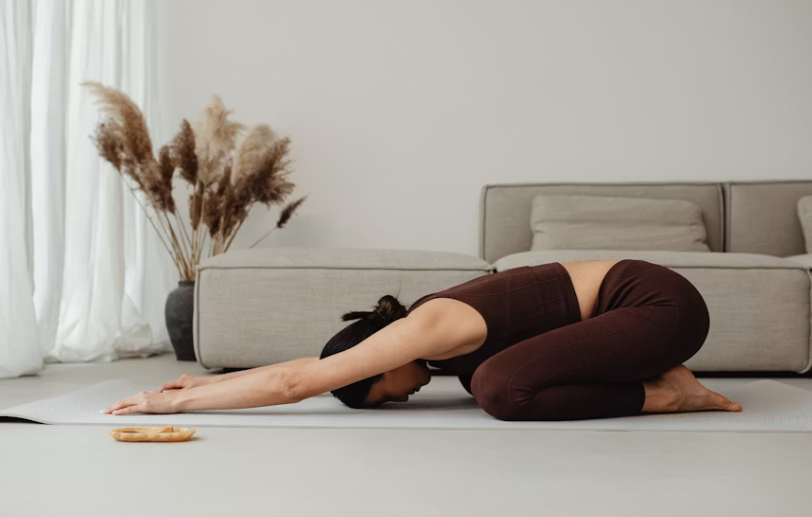
Regular exercise helps your immune system and overall health, but timing matters during high pollen seasons. Indoor activities like swimming or using a home gym keep you away from pollen on tough days. If you want to exercise outside, try going early in the morning or just after it rains, when pollen is lower. Changing your clothes and rinsing off after being outdoors also helps keep pollen out of your home and can reduce symptoms at night.
When to See a GP or Pharmacist
Most people can control allergy symptoms with regular tablets or sprays from the pharmacy. Talk to a pharmacist if your usual tablet stops working, your symptoms get worse even when you use it regularly, or you notice unexpected side effects. See your GP if symptoms keep you from sleeping or affect your daily life, or if you get signs of a sinus or ear infection. For very severe or long-lasting allergies, your GP might refer you for allergy testing or immunotherapy.
Frequently Asked Questions
1. Which of the allergy tablets acts the fastest?
Capsules with acrivastine usually start working within fifteen minutes, which is faster than most once-daily tablets. They are good for sudden flare-ups, even though their effect does not last as long as longer-acting options.
2. Is it possible to take Galpharm and Boots products together?
No, because both medicines have the same active ingredient, cetirizine. Taking them together could mean you take more than the recommended daily amount. Always check the active ingredients before combining allergy remedies.
3. Can Otrivine allergy relief be used every day?
Otrivine Allergy Relief should not be used for more than seven days at a time, as this can cause rebound congestion. It is best used for short-term relief during acute flare-ups.
4. Does Sterimar take the place of antihistamine tablets?
Sterimar is a saltwater spray with no drugs, so it cannot replace tablets when symptoms are moderate or severe. However, it can be used as a mild, daily supplement to medicated treatment.
5. Is Crescent Allergy and Hayfever Relief identical to the branded tablets?
Yes, it contains the same cetirizine dihydrochloride found in several branded products, just sold under a different name. Generic versions usually cost less but have the same active ingredients and dosing.