Author: Dr. Nipunika Shrivastava
Editor & SEO Strategist: Ananya Roy
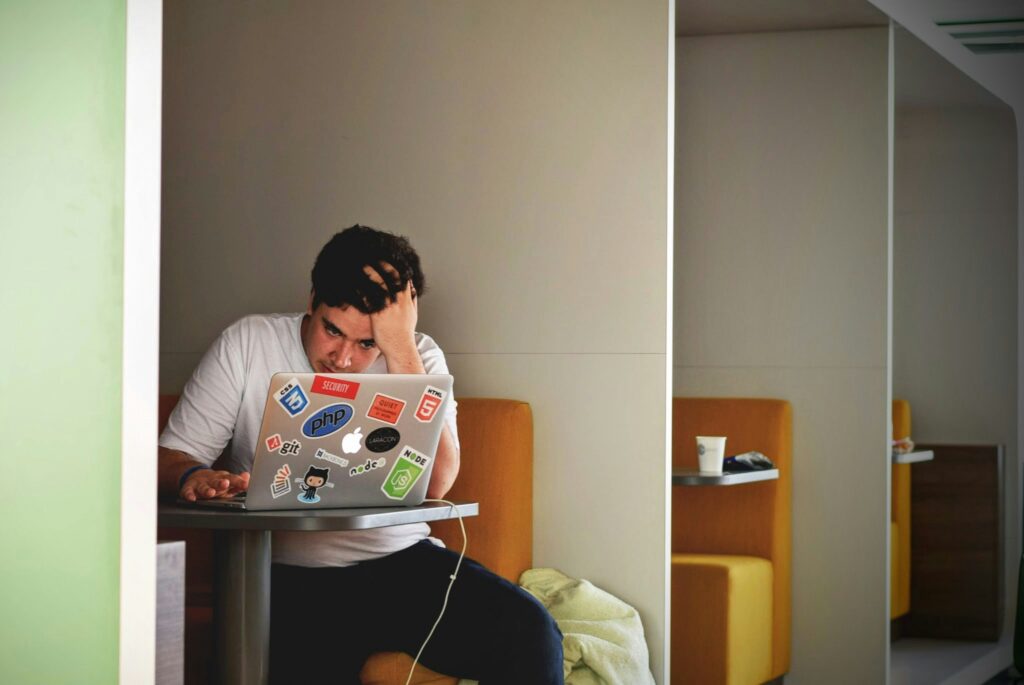
Modern schedules rarely leave much room for recovery, yet effective natural stress relief does not require expensive treatments or major lifestyle changes. Small, evidence-based habits can help reduce tension, improve focus, and support emotional well-being throughout the day. This guide explains practical approaches that fit into a busy routine while supporting long-term health.
Why Stress Management Matters
Stress is a normal biological response designed to help the body react to challenges. However, ongoing stress can affect sleep quality, concentration, mood, and physical health when it becomes persistent.
Many people search for anxiety and stress relief only after symptoms begin interfering with daily life. Taking action earlier often provides better results because healthy coping strategies become easier to maintain before stress reaches overwhelming levels.
Common signs of chronic stress include:
- Difficulty concentrating
- Frequent headaches
- Muscle tension
- Irritability
- Fatigue
- Changes in sleep patterns
- Digestive discomfort
Recognizing these signs early creates an opportunity to introduce healthy habits before symptoms become more disruptive.
The Most Effective Natural Stress Relief Strategies
Research consistently shows that lifestyle changes often provide meaningful benefits when practiced regularly. While no single method works for everyone, combining several approaches typically produces better outcomes.
1. Prioritize Physical Activity

Exercise remains one of the most effective forms of natural stress relief because it supports both physical and mental health simultaneously.
Physical activity encourages the release of endorphins, which are chemicals that contribute to improved mood and emotional balance. Additionally, movement helps reduce muscle tension that commonly develops during stressful periods.
Suitable options include:
- Brisk walking
- Cycling
- Swimming
- Strength training
- Yoga
- Dancing
Even twenty to thirty minutes of activity several times each week can produce noticeable improvements in stress levels.
2. Improve Sleep Quality

Sleep and stress influence each other in significant ways. Poor sleep can increase stress sensitivity, while elevated stress often makes restful sleep more difficult.
Many individuals seeking stress and anxiety relief discover that improving sleep habits creates measurable benefits across multiple areas of life.
Helpful sleep practices include:
| Habit | Benefit |
| Consistent bedtime | Supports body clock regulation |
| Reduced screen exposure before bed | Promotes natural melatonin production |
| Cool sleeping environment | Encourages deeper sleep |
| Limiting caffeine late in the day | Reduces sleep disruption |
Building a reliable sleep routine often provides benefits within several weeks of consistent practice.
3. Practice Mindfulness and Meditation
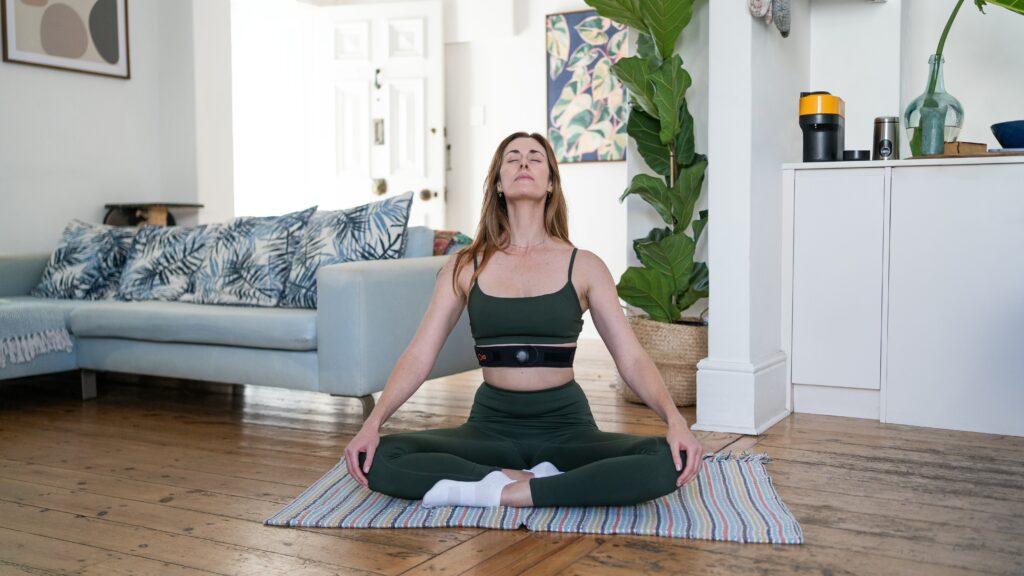
Mindfulness encourages attention to the present moment without judgment. This practice helps interrupt cycles of worry and rumination that often accompany stress.
Meditation does not require lengthy sessions to be effective. Short daily practices can still provide meaningful improvements in emotional regulation.
Simple mindfulness exercises include:
- Focused breathing
- Guided meditation
- Body scan exercises
- Mindful walking
- Gratitude reflection
These methods are among the most widely recommended stress relief techniques because they require little equipment and can be practiced almost anywhere.
4. Nutrition and Stress Management
Food choices influence energy levels, mood stability, and overall well-being. Although nutrition alone cannot eliminate stress, it can support resilience during demanding periods.
Certain dietary patterns may contribute to better emotional health.

Foods That Support Stress Management
Consider incorporating:
- Fruits and vegetables
- Whole grains
- Lean proteins
- Nuts and seeds
- Fatty fish rich in omega-3 fatty acids
- Adequate water intake
At the same time, limiting excessive sugar, alcohol, and highly processed foods may help reduce energy fluctuations that can worsen feelings of stress.
Individuals looking for anxiety and stress relief often overlook the impact of hydration, yet even mild dehydration may contribute to fatigue and reduced concentration.
Breathing Exercises for Immediate Calm
Breathing patterns frequently change during stressful situations. Shallow breathing can reinforce feelings of tension, whereas controlled breathing encourages relaxation.
One commonly used approach involves the following steps:
- Sit comfortably.
- Inhale slowly through the nose for four seconds.
- Hold your breath for four seconds.
- Exhale gently through the mouth for six seconds.
- Repeat for several minutes.
This technique can be practised before meetings, during commutes, or whenever stress levels begin increasing.
Many stress relief techniques focus on breathing because they can be implemented quickly without disrupting daily responsibilities.
5. The Role of Social Connection

Strong social relationships support emotional well-being and help reduce feelings of isolation.
Connecting with trusted friends, family members, or community groups provides opportunities to discuss challenges and receive support. Meaningful conversations often help place stressful situations into perspective.
Helpful ways to strengthen social connections include:
- Scheduling regular catch-ups
- Participating in community activities
- Joining hobby groups
- Volunteering
- Spending quality time with loved ones
Healthy relationships serve as an important foundation for natural stress relief and long-term emotional resilience.
6. Creating Boundaries in a Busy Lifestyle

Modern technology has made it possible to remain connected almost constantly. Unfortunately, continuous connectivity can make recovery periods more difficult.
Setting boundaries helps protect mental energy and reduce unnecessary stress.
Consider implementing the following practices:
Limit After-Hours Work Communication
Establishing clear expectations around availability can reduce pressure and improve work-life balance.
Schedule Recovery Time
Short breaks throughout the day support concentration and reduce mental fatigue.
Reduce Information Overload
Limiting exposure to excessive news and social media content may help decrease stress triggers.
Many people pursuing stress and anxiety relief find that boundary-setting creates immediate improvements without requiring significant lifestyle changes.
7. Nature and Outdoor Activities
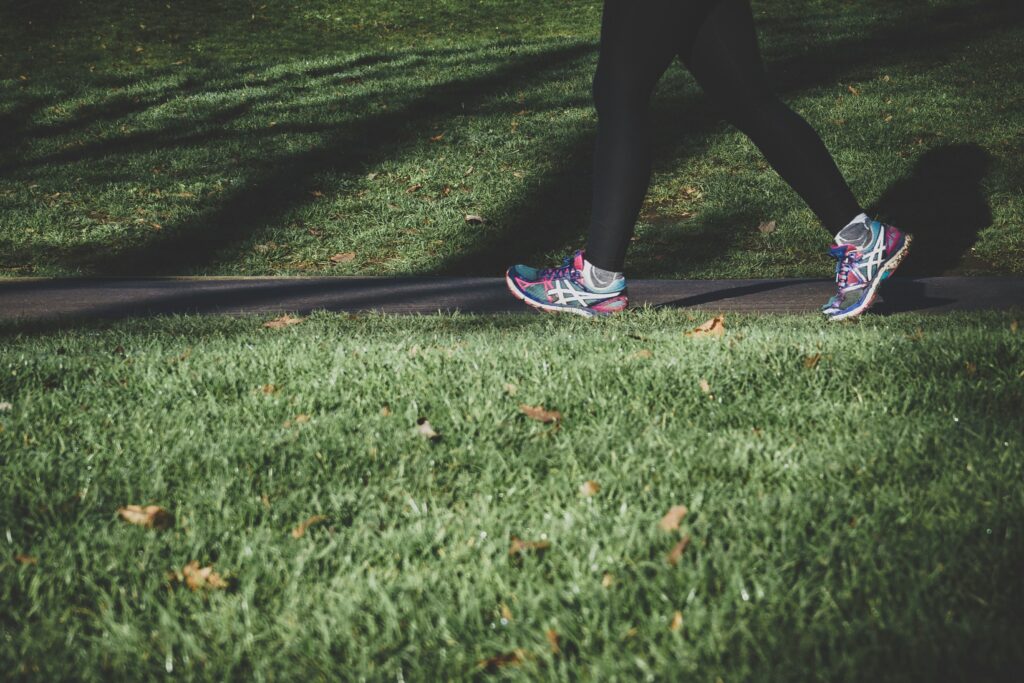
Spending time outdoors can support emotional well-being and encourage relaxation.
Exposure to natural environments may help reduce mental fatigue while promoting a greater sense of calm. Even short periods outside can provide benefits.
Popular outdoor activities include:
- Walking in parks
- Gardening
- Hiking
- Birdwatching
- Outdoor exercise
These activities combine movement, fresh air, and a change of environment, making them valuable components of natural stress relief routines.
When Professional Support May Help
Lifestyle strategies can be highly effective, but some situations require additional support.
Consider speaking with a qualified healthcare professional if stress:
- Persists for extended periods
- Interferes with daily responsibilities
- Affects relationships
- Contributes to severe anxiety symptoms
- Impacts sleep consistently
Professional guidance can help identify underlying causes and develop personalized coping strategies.
Seeking support is a proactive step toward better health rather than a sign of weakness.
Mental Health Resources and Crisis Support
Natural stress relief strategies can support everyday well-being, but professional help may be necessary when stress becomes overwhelming or begins affecting daily life. Seeking support early can improve outcomes and help prevent symptoms from worsening.
Consider contacting a healthcare professional if stress:
- Persists despite lifestyle changes
- Significantly affects work, school, or relationships
- Causes ongoing sleep problems
- Leads to panic attacks or severe anxiety
- Contributes to feelings of hopelessness
- Makes daily responsibilities difficult to manage
Immediate support is essential if there are thoughts of self-harm, suicide, or concern about personal safety.
Free Mental Health Helplines in the United States
The following confidential resources are available at no cost:
| Service | Contact |
| 988 Suicide & Crisis Lifeline | Call or text 988 (24/7) |
| Crisis Text Line | Text HOME to 741741 |
| Veterans Crisis Line | Call 988, then press 1, or text 838255 |
| SAMHSA National Helpline (Substance Abuse and Mental Health Services Administration) | 1-800-662-HELP (4357) |
Professional support can work alongside healthy habits such as exercise, mindfulness, quality sleep, and social connection, creating a more comprehensive approach to managing stress and improving overall mental well-being.
Conclusion
Effective natural stress relief does not require dramatic lifestyle changes. Consistent habits such as exercise, quality sleep, mindfulness, healthy nutrition, and strong social connections can help reduce daily tension while supporting long-term well-being. Small improvements practiced regularly often create meaningful results over time.
Frequently Asked Questions
What are the most effective stress relief techniques?
Regular exercise, quality sleep, mindfulness practices, breathing exercises, and healthy social connections consistently rank among the most effective stress relief techniques supported by research.
How quickly can natural stress relief methods work?
Some approaches, such as breathing exercises and mindfulness, may provide immediate benefits. Other strategies, including improved sleep and regular exercise, often require several weeks of consistency.
Can natural methods replace professional treatment?
Natural approaches can support overall well-being, but they should not replace professional medical or mental health treatment when symptoms become severe or significantly affect daily functioning.