Author: Dr. Nipunika Shrivastava
Editor & SEO Strategist: Ananya Roy

Heartburn often feels like a problem that needs immediate relief. However, the fastest solution depends on what triggered the symptoms in the first place. While antacids may help temporarily, identifying the underlying cause can provide quicker relief and reduce the chances of recurring discomfort. Understanding the most common triggers also helps distinguish occasional symptoms from conditions that may require medical attention. Also, below, we cover solutions in case you don’t have antacids at home.
Why the Cause Matters More Than the Remedy
Many people search for ways to stop the burning sensation as quickly as possible. While cold probiotic drinks and yoghurt often provide quick relief from heartburn, the same solution may not work in every situation.
For example, heartburn after a large meal requires a different approach than symptoms caused by pregnancy, medication, or chronic acid reflux. As a result, matching the right fix to the trigger often leads to better outcomes.
The table below provides a quick overview.
| Common Cause | Quick Relief Strategy |
| Overeating or eating too quickly | Smaller meals and remaining upright |
| Trigger foods and drinks | Avoiding known triggers and limiting portion sizes |
| Pregnancy-related changes | Meal adjustments and sleeping position changes |
| Medication side effects | Reviewing timing and discussing persistent symptoms with a healthcare professional |
| Gastroesophageal Reflux Disease (GERD) | Lifestyle changes and evidence-based treatments |
| Conditions that mimic heartburn | Prompt medical evaluation when necessary |
Related: Quick Gut Relief with Probiotics: Why Fermented Foods Matter More Than Ever
Cause #1: Overeating or Eating Too Quickly
A large meal increases pressure inside the stomach, making it easier for stomach acid to move upward into the oesophagus. Similarly, eating quickly often leads to swallowing more air and consuming larger portions before fullness signals reach the brain.
Many people experience heartburn after eating because of this simple mechanism.

The Right Fix
Several practical measures may reduce symptoms within a short period:
- Take a gentle walk after meals.
- Avoid lying down for at least two to three hours.
- Choose smaller, more frequent meals when possible.
- Eat slowly and chew food thoroughly.
Research suggests that larger meal volumes increase the frequency of reflux episodes, while smaller meals may reduce symptoms in people prone to acid reflux.
Helpful Tool: Portion-Control Meal Prep Containers
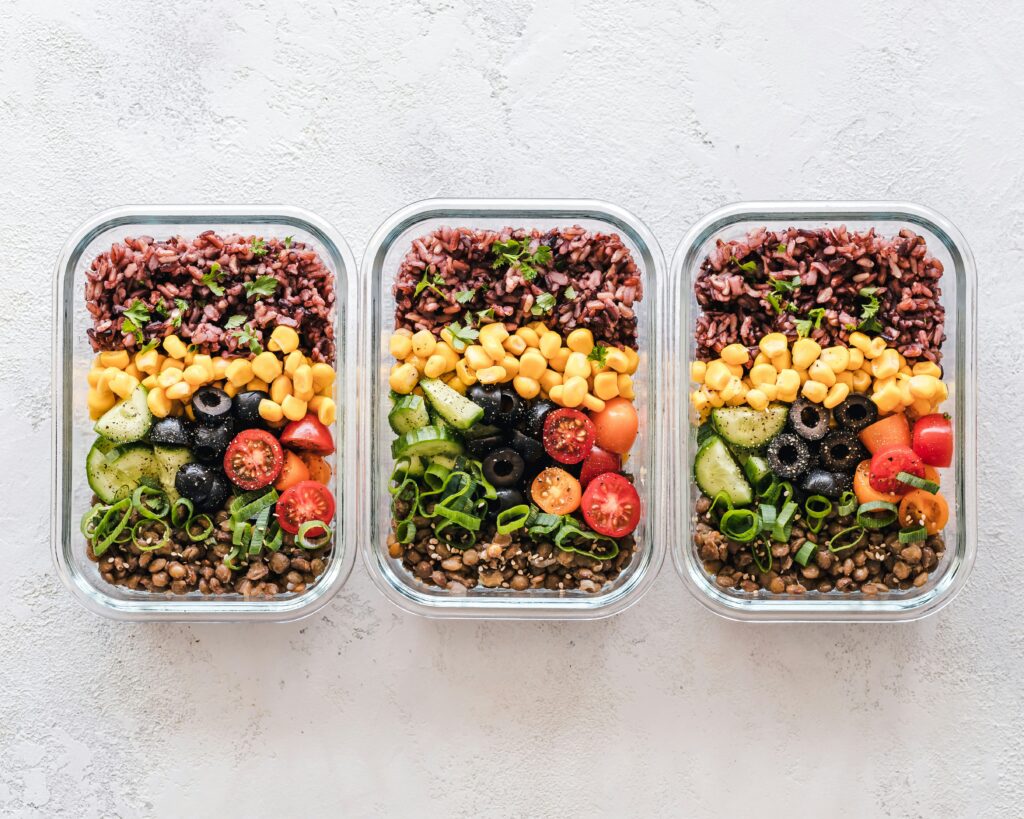
Portion sizes play a significant role in reflux symptoms. In fact, large meals increase pressure inside the stomach and make it easier for acid to move upward into the food pipe. Therefore, pre-portioned meal containers may help maintain smaller serving sizes and reduce the likelihood of overeating.
Cause #2: Trigger Foods and Drinks
Certain foods relax the lower oesophageal sphincter, the muscular valve that normally prevents stomach contents from moving upward. Others increase acid production or delay stomach emptying.
Common triggers include:
- Fried foods
- High-fat meals
- Chocolate
- Peppermint
- Alcohol
- Coffee
- Carbonated beverages
- Spicy foods
Some people also report symptoms after consuming bananas or large amounts of water during meals. However, these triggers vary considerably between individuals.
The Right Fix
Instead of eliminating multiple foods unnecessarily, consider tracking symptoms for one to two weeks.
A simple approach includes:
- Recording meals and beverages.
- Noting symptom timing.
- Identifying repeat triggers.
- Reducing the most consistent offenders first.
This method often proves more effective than following highly restrictive diets.
Helpful Tool: Food and Symptom Journal
Research shows that heartburn triggers vary considerably between individuals. While spicy foods and alcohol commonly cause symptoms, some people report discomfort after foods that rarely affect others.

A food and symptom journal can help identify patterns by tracking meals, beverages, symptom timing, and severity. After several weeks, recurring triggers often become much easier to spot.
Cause #3: Pregnancy-Related Heartburn
Heartburn in early pregnancy and later pregnancy frequently results from hormonal changes and increasing pressure on the stomach as the baby grows.
Progesterone, a hormone that rises during pregnancy, relaxes smooth muscle tissue throughout the body. Consequently, stomach acid may reach the oesophagus more easily.
The Right Fix
Several pregnancy-safe strategies may provide relief:
- Eat smaller meals throughout the day.
- Avoid eating shortly before bedtime.
- Elevate the head of the bed slightly.
- Limit known trigger foods.
When symptoms remain bothersome, healthcare professionals may recommend pregnancy-safe treatments. Medical guidance remains particularly important before starting any medication during pregnancy.
Cause #4: Medication-Related Heartburn
Certain medications can contribute to reflux symptoms. Recently, many people have reported Mounjaro heartburn while using the medication for diabetes or weight management.

Although these medications help slow stomach emptying and support weight loss, they may occasionally increase digestive side effects.
Other medications associated with reflux symptoms include:
- Certain pain relievers
- Some blood pressure medications
- Specific osteoporosis treatments
The Right Fix
The first step involves reviewing symptom timing.
Questions worth considering include:
- Did symptoms begin after starting a new medication?
- Do symptoms occur shortly after taking a dose?
- Has the dosage recently changed?
Persistent symptoms should prompt a discussion with a healthcare professional. Stopping prescribed medication without guidance may create additional health risks.
Cause #5: Gastroesophageal Reflux Disease (GERD)
Occasional heartburn differs from Gastroesophageal Reflux Disease (GERD), a chronic condition involving repeated acid reflux episodes.
Common acid reflux symptoms include:
- Frequent burning behind the breastbone
- Sour taste in the mouth
- Regurgitation of stomach contents
- Symptoms that worsen while lying down
Many people wonder whether acid reflux and heartburn are the same thing. Heartburn is a symptom, whereas acid reflux describes the process causing that symptom.
The Right Fix
Evidence-based management often combines several strategies:
- Weight management when appropriate
- Avoiding late-night meals
- Elevating the head during sleep
- Limiting trigger foods
- Appropriate use of medications when recommended
Studies consistently show that weight reduction and dietary modifications can significantly improve reflux symptoms in many individuals.
Helpful Tool: Memory Foam Wedge Pillow
Night-time reflux often worsens because stomach contents move more easily toward the oesophagus while lying flat. Clinical guidelines frequently recommend elevating the upper body during sleep to help reduce reflux episodes.

A wedge pillow provides a gentle incline that supports this position more comfortably than stacking several pillows, which may shift during the night.
Benefits may include:
- Reduced night-time reflux symptoms
- Improved sleeping comfort
- Better support for long-term symptom management
Helpful Tool: Bed Risers
For people experiencing frequent night-time symptoms, elevating the head of the bed by approximately six to eight inches may help reduce acid exposure during sleep.
Bed risers offer a more stable solution than additional pillows and may support long-term reflux management when combined with other lifestyle measures.
Cause #6: A Condition That Looks Like Heartburn
Not every burning sensation originates from acid reflux.
In some situations, symptoms may resemble heartburn while signalling another condition entirely.
Examples include:
- Gastritis
- Stomach ulcers
- Gallbladder disease
- Angina
- Heart attack
This distinction becomes especially important when chest pain occurs alongside other warning signs.
Seek Immediate Medical Attention If Symptoms Include:
- Chest pressure or tightness
- Pain spreading to the arm, jaw, neck, or back
- Shortness of breath
- Sudden sweating
- Dizziness or fainting
Persistent symptoms may also require investigation because chronic reflux can increase the risk of complications affecting the oesophagus.
How to Get Rid of Heartburn Fast: A Simple Action Plan

If symptoms appear suddenly, start with these practical steps:
- Remain upright after eating.
- Avoid large meals for the rest of the day.
- Identify recent food or drink triggers.
- Wear loose-fitting clothing around the abdomen.
- Consider evidence-based over-the-counter treatments when appropriate.
- Monitor for recurring symptoms.
Most occasional episodes improve with these measures. However, frequent symptoms deserve medical evaluation to identify the underlying cause and guide treatment.
The Bottom Line
The fastest way to relieve heartburn is not necessarily taking the strongest medication available. Instead, identifying the trigger often leads to quicker and more effective relief. Whether symptoms stem from overeating, trigger foods, pregnancy, medication use, or chronic reflux, addressing the root cause can help reduce discomfort and prevent future episodes. When symptoms become severe, frequent, or accompanied by chest pain, prompt medical evaluation remains essential.
Also read: Quick Heartburn Relief: How to Fix Heartburn Fast with Home Remedies, Medications & Yoga
Disclosure: This article may contain affiliate links. If a purchase is made through these links, Dawakhaana may earn a commission at no additional cost to the reader. Product recommendations are selected based on relevance to the topic and are not intended to replace medical advice.