
Author: Dr. Nipunika Shrivastava
Editor & SEO Strategist: Ananya Roy
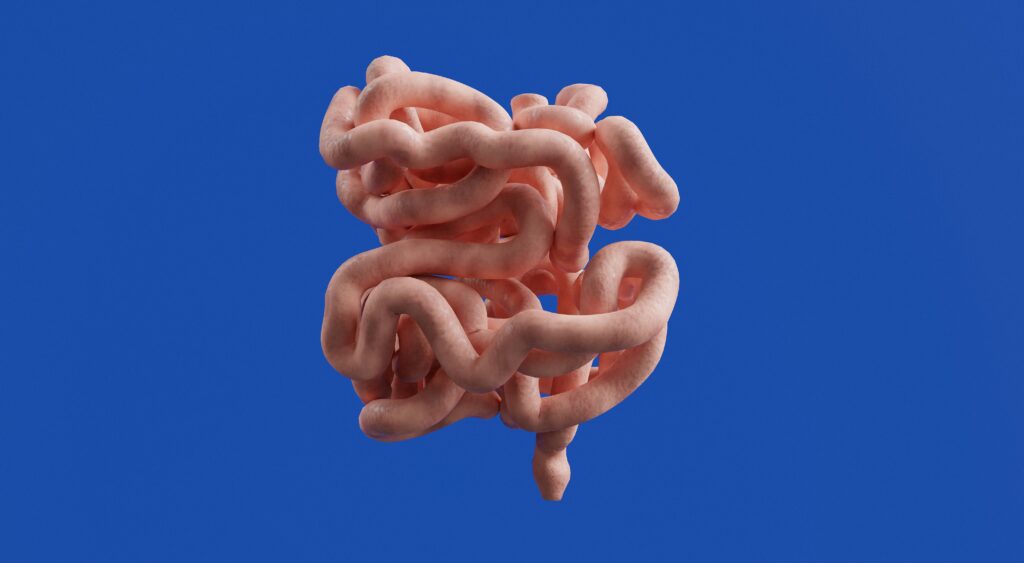
Digestive issues have become incredibly common, yet many people continue to overlook one of the simplest ways to support gut health: fermented foods. Whether the concern is bloating, irregular bowel movements, or general digestive discomfort, small dietary changes can often make a meaningful difference. This is where probiotics come in. Found naturally in foods such as yogurt and fermented drinks, probiotics help support a balanced gut microbiome, which plays a key role in digestion, immunity, and overall wellbeing.
Why Are Probiotics Important for Quick Gut Relief?
A common question is why gut health receives so much attention today. The answer is fairly simple. The gut does much more than digest food. It contains trillions of microorganisms that influence digestion, nutrient absorption, immune responses, and even communication between the gut and brain.
When the balance of these microorganisms becomes disrupted, digestive symptoms often follow. Bloating, gas, constipation, and irregular bowel movements can all become more noticeable.
This is where probiotics may help. These beneficial microorganisms support microbial balance and help create a healthier environment within the digestive tract.
The good news is that probiotics do not have to come from supplements alone. Many everyday foods naturally contain them.
What Does the Research Say?
Scientists have spent years studying the gut microbiome, and the findings continue to grow. Research suggests that certain probiotic strains may help improve digestive comfort, support regular bowel movements, and reduce symptoms associated with some digestive disorders.
While probiotics are not a miracle solution, they have become one of the most researched nutritional approaches for supporting digestive health.
| Digestive Concern | Potential Benefit of Probiotics |
| Occasional bloating | May support microbial balance |
| Constipation | May encourage bowel regularity |
| Digestive discomfort after antibiotics | May help restore beneficial bacteria |
| General gut health | Supports microbiome diversity |
One important point worth remembering is that consistency matters more than perfection. Small daily habits often produce better results than short-term changes.
Which Digestive Issues May Benefit from Probiotics?
Many people associate probiotics only with gut health, but their benefits may extend further than expected.
Bloating and Excess Gas
Bloating is one of the most frequent digestive complaints. In many cases, an imbalance in gut bacteria contributes to increased gas production and digestive discomfort.
Certain probiotics may help restore balance, which can make digestion feel more comfortable over time.
Constipation and Irregular Bowel Movements

A healthy gut microbiome supports normal digestive function. Some probiotic strains have shown potential benefits in improving stool frequency and supporting regular bowel habits.
Read: Quick Constipation Relief
Recovery After Antibiotic Use
Antibiotics can be lifesaving, but they often affect beneficial bacteria alongside harmful bacteria. Fermented foods and probiotics may help support microbial recovery after a course of antibiotics.
Irritable Bowel Syndrome Symptoms
Although responses vary from person to person, some research suggests that specific probiotics may help reduce bloating and abdominal discomfort associated with Irritable Bowel Syndrome (IBS).
Which Fermented Foods Naturally Contain Probiotics?
One misconception is that probiotics only come in expensive supplements. In reality, many traditional foods naturally contain beneficial bacteria.
Yogurt and Cultured Dairy Products

Yogurt remains one of the easiest ways to include probiotics in a daily diet. It is widely available, versatile, and generally well accepted by most people.
Popular options include:
- Greek yogurt
- Plain yogurt
- Plain Greek yogurt
- Vanilla yogurt
- Protein yogurt
Among these choices, plain yogurt and plain Greek yogurt are often preferred because they contain less added sugar while still providing beneficial cultures.
Interestingly, Greek yogurt also delivers more protein than many traditional yogurt varieties, making it a satisfying snack option.
Fermented Drinks
Another convenient option is a probiotic drink. These beverages are designed to deliver beneficial bacteria in an easy-to-consume format.
One of the most widely recognized examples is the Yakult probiotic drink.
Many people first encounter probiotics through Yakult because it is accessible, portable, and available in a small serving size.
Is Yakult a Good Source of Probiotics?

A common question involves whether a small bottle can genuinely support gut health.
The answer lies in its formulation. The Yakult probiotic contains a specific bacterial strain called Lactobacillus casei Shirota, which has been studied for its role in supporting digestive health.
Understanding the Yakult Origin
The Yakult origin dates back to Japan, where researchers focused on developing beneficial bacterial strains that could survive the digestive process and reach the intestines.
Over time, the brand expanded globally and helped introduce millions of people to probiotics.
What Is Inside a Yakult Bottle?
Each Yakult bottle contains a concentrated amount of beneficial bacteria in a sweet fermented milk drink.
While no single food can transform gut health overnight, incorporating products such as Yakult into a balanced dietary pattern may contribute to long-term digestive wellness.
What Does Yakult Taste Like?
Many people who try it for the first time ask: What does Yakult taste like?
The flavor is often described as mildly sweet, slightly tangy, and similar to a drinkable yogurt. Its smooth texture and small serving size make it appealing even for those who do not regularly consume fermented foods.
Yakult Light vs Regular Yakult
For those watching sugar intake, Yakult Light provides a lower-calorie alternative while still delivering beneficial bacteria.
The choice largely depends on individual dietary preferences and nutritional goals.
The Global Impact of Tokyo Yakult
The success of Tokyo Yakult helped bring probiotics into mainstream discussions around digestive health. Today, fermented drinks have become a regular part of many people’s wellness routines.
Can Yogurt Be as Effective as Probiotic Drinks?

This is another question that comes up frequently.
The reality is that both yogurt and fermented drinks can contribute to probiotic intake. The best choice often depends on dietary preferences, nutritional needs, and lifestyle habits.
Comparing popular yogurt options in the table below:
| Yogurt Type | Key Benefit |
| Greek yogurt | Higher protein content |
| Plain yogurt | Lower added sugar |
| Plain Greek yogurt | Protein and live cultures |
| Vanilla yogurt | More flavor variety |
| Protein yogurt | Supports satiety and protein intake |
One reason yogurt remains popular is that it provides additional nutrients alongside probiotics, including protein, calcium, and vitamins.
What About Branded Yogurts?
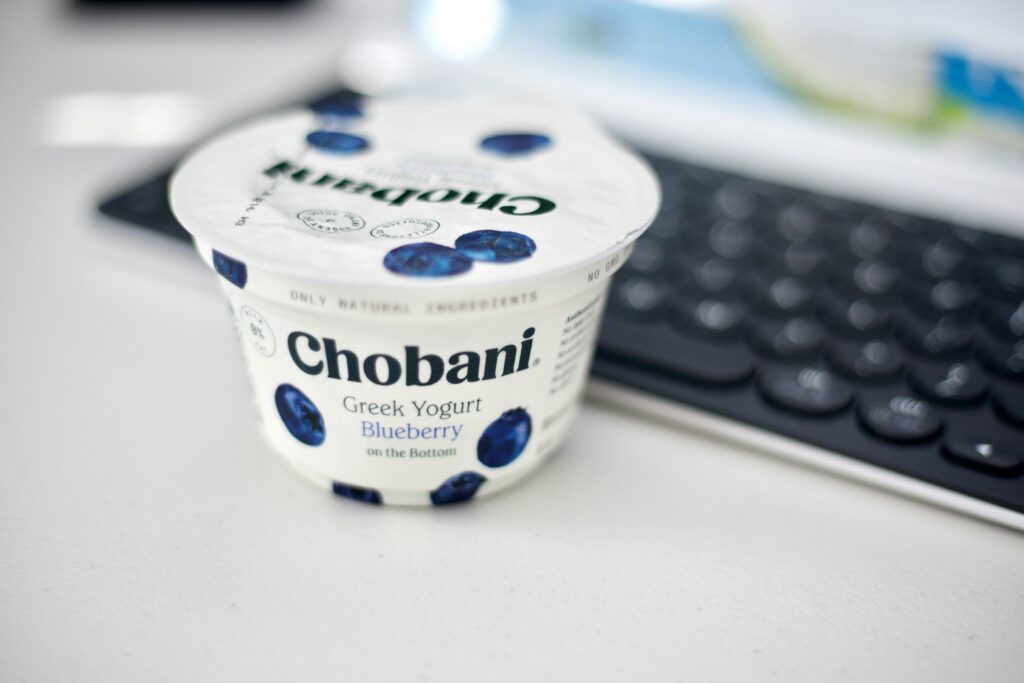
Products such as Chobani Greek yogurt have gained popularity because they combine protein with live cultures.
When choosing any yogurt, checking labels for live and active cultures can be helpful.
Does Frozen Yogurt Contain Probiotics?
Frozen yogurt may contain beneficial bacteria, but this varies by product and processing methods.
Some frozen yogurt products retain live cultures, while others contain lower amounts due to manufacturing processes.
For digestive support, traditional yogurt generally remains the more reliable option.
How Can You Get the Most Benefit from Probiotics?
Adding probiotics to a routine does not need to be complicated.
In fact, simple and consistent habits usually work best.
Practical Tips
- Include one fermented food daily.
- Choose fiber-rich fruits and vegetables regularly.
- Stay adequately hydrated.
- Limit excessive ultra-processed foods.
- Maintain consistency rather than seeking quick fixes.
What many people do not realize is that probiotics work best when paired with prebiotics. Prebiotics are fibers that help beneficial bacteria grow and thrive.
Foods such as bananas, onions, garlic, oats, and legumes naturally support this process.
Are Probiotics Safe for Everyone?
For most healthy individuals, probiotic-rich foods are generally considered safe and well tolerated.
However, anyone with a compromised immune system, serious underlying medical condition, or persistent digestive symptoms should seek personalized medical guidance before making significant dietary changes.
A balanced perspective is important. Probiotics can support digestive health, but they work best as part of an overall healthy lifestyle that includes nutritious food choices, regular activity, and adequate hydration.
Final Thoughts
Gut health does not usually improve through a single food, supplement, or trend. Instead, it benefits from consistent habits that support the digestive system over time. Probiotics found in yogurt, fermented foods, and products such as the probiotic drink Yakult can play a valuable role in that process. The key is choosing options that fit comfortably into everyday routines and maintaining those habits long enough to see meaningful results.