Author: Dr. Nipunika Shrivastava
Editor & SEO Strategist: Ananya Roy

What if the same solution that helps with quick gas relief could also support constipation, bloating, diarrhea, and other common digestive complaints? Growing evidence suggests that probiotics may do exactly that by helping restore balance within the gut microbiome. Research has linked specific probiotic strains to improvements in several digestive concerns, making them one of the most studied tools for supporting gut health.
Why Are Probiotics Often Called a Gut Health Powerhouse?
Many digestive symptoms seem unrelated. However, they often share one common factor: an imbalanced gut microbiome.
The gut contains trillions of microorganisms that help digest food, absorb nutrients, and support immune function. When this balance shifts due to stress, illness, antibiotics, or dietary habits, digestive symptoms often follow.
Common signs of an unhealthy gut may include:
- Excessive gas
- Bloating
- Constipation
- Diarrhea
- Indigestion
- Food sensitivity symptoms
This is where probiotics may help.
Unlike products that simply mask symptoms, probiotics introduce beneficial microorganisms that support a healthier microbial balance and provides quick gas relief. As a result, they may help improve multiple digestive functions at the same time.
How Do Probiotics Work?
Researchers believe probiotics support digestive health through several mechanisms.
They may:
- Compete with harmful microorganisms for space and nutrients
- Support the intestinal barrier
- Improve digestion of certain foods
- Promote healthier bowel movements
- Help regulate immune responses within the gut
Consequently, the benefits may extend beyond a single digestive complaint.
What Does the Research Show?
The growing interest in probiotics is supported by a large body of research.
Research shows that specific probiotic strains improved overall symptoms and abdominal pain in people with Irritable Bowel Syndrome (IBS). Another international consensus review reported benefits for bloating, bowel regularity, and antibiotic-associated digestive issues.
| Digestive Concern | What Research Suggests |
| Bloating | Certain strains may reduce symptom severity |
| Constipation | May increase bowel movement frequency |
| Irritable Bowel Syndrome (IBS) | May improve overall symptom scores |
| Antibiotic-Associated Diarrhea | May reduce risk during treatment |
| Gut Microbiome Balance | May improve microbial diversity |
Although results vary between strains, the evidence suggests that probiotics can play a valuable role in digestive health, meaning quick gas relief.
Could These 10 Common Gut Problems Be Linked to the Same Gut Imbalance?
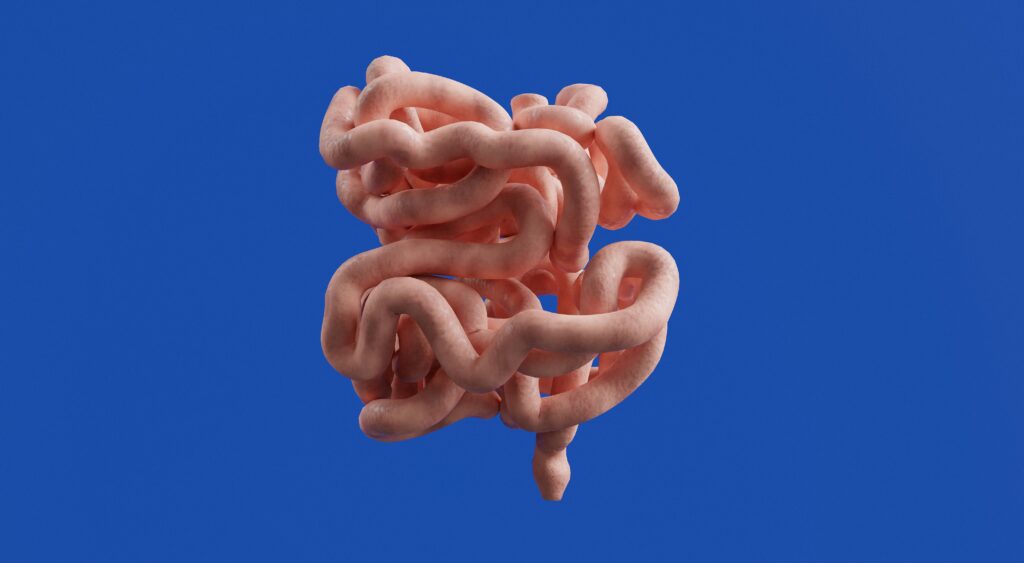
Gas, bloating, constipation, and diarrhea may appear unrelated. Yet researchers increasingly recognize that changes in gut bacteria can influence all of these symptoms.
Here is what current evidence says about the role of probiotics in 10 common digestive concerns.
1. Excessive Gas and Bloating
Few digestive complaints disrupt daily comfort more than persistent gas and bloating.
Gas develops naturally during digestion. However, excessive fermentation by certain gut bacteria can increase gas production and lead to abdominal discomfort.
Research suggests that some probiotics may help reduce bloating by supporting a healthier balance of gut microorganisms. This may improve digestion and contribute to quick relief from gas in some individuals.
2. Irritable Bowel Syndrome (IBS)
Irritable Bowel Syndrome (IBS) is a common gastrointestinal disorder that affects the large intestine.
Symptoms often include:
- Abdominal pain
- Bloating
- Gas
- Constipation
- Diarrhea
Research shows certain probiotics improved overall IBS symptoms and abdominal pain. While responses vary between individuals, the findings suggest that targeted probiotic strains may support symptom management.
3. Constipation
Constipation is more than an inconvenience. It can affect comfort, appetite, and quality of life.
Several studies have found that probiotics may help increase stool frequency and improve gut transit time. A meta-analysis reported that probiotic supplementation shortened intestinal transit time while supporting more regular bowel movements.
Also read: Quick Constipation Relief: Solutions to Get Your Shit Moving (Doctor-Advised)
4. Diarrhea
Diarrhea can occur after infections, dietary changes, or disruptions in gut bacteria.
Some probiotics have been shown to support recovery by helping restore microbial balance. Research also suggests they may reduce the duration and frequency of certain types of diarrhea.
5. Antibiotic-Associated Diarrhea
Antibiotics target harmful bacteria, but they can also reduce beneficial bacteria in the gut. This disruption sometimes leads to diarrhea during or after treatment.
Research shows that specific probiotics may reduce the risk of antibiotic-associated diarrhea by helping replenish beneficial microorganisms during recovery.
6. Indigestion
A heavy feeling after meals, early fullness, or upper abdominal discomfort can make eating less enjoyable.
While indigestion has several causes, an imbalanced gut microbiome may contribute to digestive inefficiency in some people. Emerging research suggests that certain probiotics may support digestion by helping break down food more effectively and promoting a healthier gut environment.
7. Food Intolerance Symptoms
Not every digestive reaction is a true food allergy.
Many people experience gas, bloating, or discomfort after eating specific foods because their digestive system struggles to process certain components. In some cases, gut bacteria play a role in how these foods are digested.
Researchers continue to investigate whether probiotics can help improve tolerance to certain foods by supporting a more balanced microbiome.
8. Gut Inflammation
Low-grade gut inflammation often develops quietly and may contribute to ongoing digestive discomfort.
The gut contains a large portion of the body’s immune cells. Therefore, the balance of microorganisms within the digestive tract can influence inflammatory responses.
Some studies suggest that Probiotics may help regulate these responses and support a healthier intestinal environment. However, benefits depend on the strain used and the underlying condition.
9. Poor Nutrient Absorption
Digestive health is not only about breaking down food. It also involves absorbing nutrients efficiently.
An unhealthy gut environment may affect how the body processes certain vitamins, minerals, and other nutrients. Although more research is needed, some evidence suggests that probiotics may support nutrient absorption by promoting a healthier digestive system.
10. Weak Gut Barrier Function
The intestinal lining acts as a protective barrier between the digestive tract and the rest of the body.
When this barrier becomes compromised, unwanted substances may pass through more easily. Researchers often refer to this as increased intestinal permeability.
Studies suggest that certain Probiotics may help support the integrity of the intestinal barrier. As a result, they may contribute to overall digestive health and gut function.
Which Foods Naturally Provide Probiotics & Provide Quick Gas Relief?

Supplements often receive the most attention. However, several everyday foods naturally contain beneficial bacteria.
The table below highlights some common sources.
| Food | Potential Benefit |
| Plain yogurt | Contains live bacterial cultures |
| Greek yogurt | Combines probiotics with higher protein content |
| Plain Greek yogurt | Often lower in added sugar |
| Probiotic drink | Convenient source of beneficial bacteria |
| Yakult probiotic drink | Contains a well-studied Lactobacillus strain |
| Frozen yogurt | May contain live cultures, depending on processing |
| Fermented vegetables | Naturally rich in beneficial microorganisms |
| Kefir | Offers a diverse range of bacterial strains |
Regular consumption of these foods may help support a healthier gut microbiome. However, the amount and type of beneficial bacteria can vary significantly between products.
Is Yakult a Good Source of Probiotics for Quick Gas Relief?
When discussing probiotic-rich foods, Yakult is often one of the first products that comes to mind.
The Yakult probiotic drink was developed in Japan and contains Lactobacillus casei Shirota, a strain that has been studied for its potential digestive health benefits. The story of Yakult’s origin dates back to 1935, when Japanese scientist Dr. Minoru Shirota developed the beverage to make beneficial bacteria more accessible.
Today, the brand operates globally through companies such as Tokyo Yakult and offers different product variations, including Yakult Light.
A standard Yakult bottle contains billions of live bacteria. While it should not be viewed as a cure for digestive issues, it can be a convenient way to include probiotics in a daily routine.
For those wondering, what does Yakult taste like? Most people describe it as mildly sweet, tangy, and similar to a drinkable yogurt.
How Can Probiotics Support Quick Relief From Gas?
Results vary between individuals. However, a few practical habits may help maximize the benefits of probiotics.
1. Choose a Consistent Source
Whether the choice is a supplement, yogurt, kefir, or a probiotic drink, consistency matters more than occasional use.
2. Increase Fiber Gradually
Beneficial bacteria feed on dietary fiber. Gradually increasing fiber intake can help support their growth while minimizing digestive discomfort.
3. Stay Hydrated
Water helps support digestion and promotes healthy bowel movements.
4. Avoid Large, Heavy Meals
Overeating can increase gas production and bloating, even when consuming probiotics regularly.
5. Give It Time
The gut microbiome does not change overnight. Many studies evaluate outcomes after several weeks of consistent use.
| Digestive Concern | Typical Timeline Seen in Studies |
| Gas and Bloating | Several days to a few weeks |
| Constipation | Two to eight weeks |
| Irritable Bowel Syndrome (IBS) | Four to twelve weeks |
| Antibiotic Recovery | Several weeks |
Who Should Speak With a Healthcare Professional Before Taking Probiotics?
For most healthy individuals, probiotics are generally considered safe and effective for quick gas relief.
However, medical guidance is recommended for:
- People with severely weakened immune systems
- Individuals receiving intensive medical treatment
- Those recovering from major surgery
- People with complex gastrointestinal conditions
A healthcare professional can help determine whether a specific product is appropriate and identify the most suitable strain.
What Other Habits Help Probiotics Work Better?

Even the best probiotics work most effectively when combined with healthy lifestyle habits.
Consider focusing on:
- A fiber-rich diet
- Regular physical activity
- Adequate sleep
- Stress management
- Limiting ultra-processed foods
Together, these habits help create an environment where beneficial gut bacteria can thrive.
Can Probiotics Be the Missing Piece for Better Digestive Health?
Finding quick gas relief is often the first goal. However, long-term digestive wellness requires addressing the factors that contribute to recurring symptoms in the first place.
Current research suggests that probiotics may help support several aspects of digestive health, including bloating, constipation, diarrhea, gut barrier function, and microbial balance. While they are not a cure-all solution, they remain among the most researched and widely used tools for supporting a healthier gut. Combined with a balanced diet and healthy lifestyle habits, probiotics can become a valuable part of a long-term digestive health strategy.