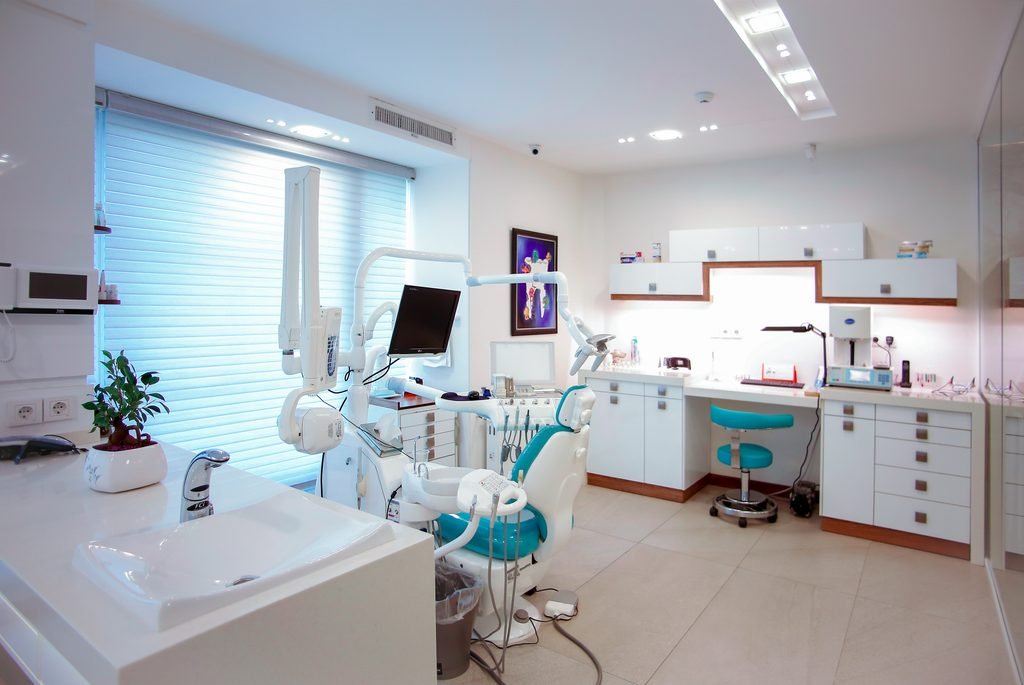
You signed the commercial lease. You picked out durable waiting room chairs, argued with the interior contractor over consultation desk laminate, and put up a neat, backlit signboard facing the main road.
Then you sat down on Day 1, adjusted your stethoscope, and waited.
By 2:00 PM, the only visitor was a medical representative. By 6:00 PM, you started wondering if everyone in a two-kilometer radius had suddenly achieved immortality.
Here is the awkward truth for every doctor wondering how to get more patients in your clinic: paying prime rent buys street eyes, not verified appointments.
When people deal with acute tooth pain, vertigo, or a 102°F fever, they do not stroll down the high street scanning signboards. They curl up on their sofa, unlock their phone, and type into Google Maps: “pediatrician near me” or “dental clinic open now.”
If your practice does not appear in those top local map spots, your clinic is virtually invisible to your neighborhood. You are paying main-road real estate rates for back-alley discovery.
If you are figuring out how to attract patients to your clinic and build sustainable patient flow, here is how to fix the disconnect without expensive ad campaigns.
1. Stop Calling Yourself Just a “Doctor” Online
Google runs on literal search intent.
When configuring a local profile, many practitioners pick a broad category like “Medical Clinic” or simply “Doctor.”
If a parent searches for a “child vaccination clinic,” Google’s algorithm will bypass a generic “Doctor” listing to highlight a competitor who set their primary tag to “Pediatric Clinic.” The same principle applies if you are looking at how to attract patients to your dental clinic—listing as a general health center instead of a specialized dental practice costs you immediate footfall.
The Quick Fix: Your primary category must match the acute problem people search for in a panic. Save generic labels for secondary tags. If you want to know how to get more patients into your practice, start by letting the algorithm know your exact specialty.
2. The Curious Case of the Drifting Map Pin

You know your clinic sits right above the corner pharmacy on the 1st floor. Google’s satellite, however, might think your entrance is in the middle of a flyover or 40 meters down a dead-end service lane.
When someone tries to visit, hits “Directions”, and gets guided to a closed warehouse across the street, they do not hunt for your staircase. They turn around and head to the neighboring practice whose pin sits right at the glass door.
The Quick Fix: Stand at the physical entrance of your building, open Google Maps, and recalibrate your pin directly onto the front door. Ensure your postal address, floor number, and landmark match across every digital profile to keep your listing credible.
3. The Awkward Review Problem (And How to Fix It With Empathy)

Medical school teaches diagnostics, pharmacology, and surgical precision. It teaches zero minutes of front-desk operations, staff training, or ethical clinic business.
Because of this, doctors trying to figure out how to increase patient volume in a medical office usually fall into one of two traps:
- The Silent Trap: You feel asking for reviews cheapens your white coat, so you say nothing. Your profile sits with 3 outdated ratings, signaling an inactive OPD.
- The Cringe Trap: You put a desperate printed QR code on your desk that says “Please rate us 5 stars on Google!”—which feels transactional and compromises your clinical authority.
You never need to beg for stars, and you should never solicit ratings inside the consultation chamber.
If your goal is to increase patient retention while learning how to bring more patients to your practice, route the process through your front desk using social empathy.
The 24-Hour Recovery Check-In Script

Have your front desk call or message patients 24 to 48 hours after their visit for a standard recovery check:
“Hello [Patient Name], Dr. [Name] asked our desk to check in and see how you are feeling after your visit yesterday. If you have 30 seconds today, sharing a quick note about your recovery experience on Google helps another person in our neighborhood find the right care when they are in pain.”
- Preserves Professional Dignity: The doctor never solicits anything; the front desk handles it as genuine, attentive follow-up care.
- Triggers Empathy, Not Resistance: Patients rarely care about boosting a clinic’s commercial numbers, but they readily help spare a neighbor unnecessary pain.
- Drives Steady Discovery: Detailed, organic patient feedback signals high relevance to local search algorithms, steadily raising your clinic’s ranking.
Build a Practice, Not Just a Consultation Room
Learning how to increase patient flow in clinic operations does not require agency retainers or aggressive sales tactics. Running a clinic is running a business. The goal is simply to do business appropriately as a doctor, with clean systems, dignified staff communication, and zero marketing gimmicks.
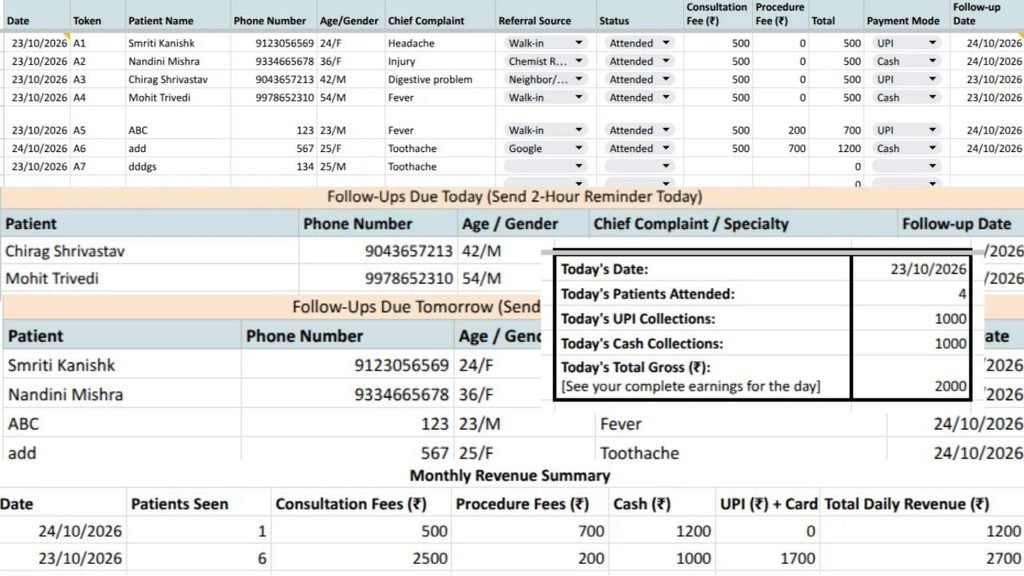
The Google Business Setup Checklist inside The Doctor’s Clinic Launch Kit contains the exact category mapping sheet, pin verification instructions, and word-for-word front-desk communication scripts to take your clinic from invisible to fully booked.
Because good doctors should not be hidden behind bad local settings.