
Muscle, joint, and back discomfort often improves with simple measures such as heat, gentle movement, stretching, massage, better sleep, and supportive posture. However, persistent, severe, or unexplained pain needs medical evaluation rather than repeated home treatment.
15 Natural Ways to Ease Muscle, Joint & Back Pain
Natural approaches work best when they reduce irritation, maintain movement, and support recovery without aggravating the painful area. The right combination depends on the location, cause, severity, and duration of discomfort.
1. Use Heat or Cold at the Right Time
Heat and cold can both provide temporary relief, but each works better for different situations.
| Option | When it may help | How to use it |
| Heat | Muscle tightness, stiffness, chronic aches | Use a warm shower, compress, or heating pad for 15–20 minutes |
| Cold | Recent minor injuries, swelling, acute soreness | Wrap an ice pack in a towel and apply for 15–20 minutes |
Keep heating pads and cold packs away from bare skin, and never sleep while using a heating pad. Stop either treatment if the skin becomes painful, excessively red, numb, or irritated.
2. Keep Moving Throughout the Day
Complete bed rest can increase stiffness and reduce strength, particularly during many uncomplicated back and muscle problems. Gentle activity usually supports mobility better than remaining still for prolonged periods.
Try these simple movements:
- Take several short walks throughout the day.
- Change positions regularly while working or resting.
- Continue ordinary activities when they do not significantly worsen symptoms.
- Increase activity gradually as movement becomes easier.
For low back pain relief, short walks can provide a practical way to maintain movement without placing excessive strain on the spine.
3. Stretch Tight Muscles Gently
Gentle stretching can improve flexibility and reduce the sensation of muscle tightness around commonly affected areas. However, stretching should never become a test of how much discomfort can be tolerated.
For safer stretching:
- Move slowly into a comfortable stretch.
- Hold the position without bouncing.
- Breathe normally throughout the movement.
- Stop when pain becomes sharp, shooting, or noticeably worse.
- Repeat consistently rather than forcing a deep stretch occasionally.
Hamstring, calf, hip-flexor, chest, and upper-back stretches can support mobility when muscle tightness contributes to discomfort.
4. Add Gentle Yoga

Yoga combines controlled movement, flexibility, balance, breathing, and body awareness, making it useful for some people with persistent musculoskeletal discomfort. Research supports yoga as one option for certain chronic low-back problems.
For yoga for pain relief, focus on:
- Gentle poses suited to current flexibility.
- Controlled transitions between positions.
- Comfortable ranges of motion.
- Gradual progression rather than advanced poses.
- Stopping any movement that causes significant pain.
A qualified instructor or physical therapist can help modify poses when existing pain limits movement.
5. Try Gentle Massage
Massage can temporarily reduce muscle tension and promote relaxation, especially when discomfort follows physical activity, prolonged sitting, or muscular tightness.
Massage may be useful for:
- Tight or overworked muscles.
- Mild post-exercise soreness.
- Areas affected by prolonged desk work.
- General muscular tension and stiffness.
However, forceful massage is not appropriate for every painful condition. Avoid aggressive pressure after significant injuries or when swelling, bruising, severe pain, or unexplained symptoms are present.
6. Improve Your Sleeping Position
Sleep keeps the body in one position for several hours, so poor support can contribute to morning stiffness and discomfort around the neck, back, hips, and shoulders.
| Sleeping position | Helpful adjustment |
| Side sleeping | Place a pillow between the knees to improve comfort and alignment |
| Back sleeping | Place a pillow beneath the knees for additional support |
| Stomach sleeping | Consider another position if it repeatedly worsens neck or back discomfort |
The most suitable position is ultimately the one that feels comfortable and does not create new pressure or pain.
7. Choose a Supportive Pillow

A pillow that keeps the head and neck comfortably aligned can reduce unnecessary strain during sleep. Pillow height should match sleeping position, body shape, mattress firmness, and individual comfort.
Signs a pillow may need replacing include:
- Persistent morning neck stiffness.
- Visible flattening or loss of support.
- Frequent pillow adjustments during sleep.
- Increased discomfort after changing sleeping positions.
Replacing an old, compressed pillow may contribute to better neck pain relief for some sleepers.
8. Check Everyday Posture
Posture does not need to remain perfectly rigid because frequent movement matters more than holding one ideal position continuously. Nevertheless, poorly supported sitting can increase discomfort for some people.
Make desk time more comfortable by:
- Keeping frequently used objects within easy reach.
- Supporting the lower back when needed.
- Positioning the computer screen near eye level.
- Keeping both feet comfortably supported.
- Changing positions regularly rather than sitting rigidly.
These adjustments can reduce unnecessary strain during prolonged computer or desk work.
9. Strengthen Muscles That Support the Body
Stretching alone cannot address every cause of recurring discomfort because weak supporting muscles can increase physical demands during everyday movement. Gradual strengthening can improve function and movement tolerance over time.
Useful areas to strengthen include:
- Core muscles supporting the trunk.
- Hip muscles supporting the pelvis.
- Leg muscles supporting weight-bearing movement.
- Upper-back muscles supporting shoulder and neck positioning.
Start with manageable exercises and increase resistance gradually. Exercising through significant pain can worsen symptoms rather than improve physical capacity.
10. Pace Physical Activities
Suddenly increasing exercise, gardening, lifting, cleaning, or other demanding activities can overload tissues that have not adapted to the workload. Gradual increases give muscles and joints time to adjust.
Use activity pacing by:
- Breaking demanding tasks into shorter sessions.
- Alternating heavy and light activities.
- Taking brief movement breaks.
- Using proper lifting techniques.
- Increasing exercise intensity gradually.
This approach can support joint pain relief while reducing repeated strain during everyday activities.
11. Maintain a Healthy Body Weight

Excess body weight can increase mechanical stress on weight-bearing joints, particularly the knees and hips. Sustainable weight management can therefore support joint health alongside regular physical activity.
Rather than following extreme diets, focus on habits that remain practical over time:
- Eat balanced meals with adequate protein and fiber.
- Include vegetables, fruits, whole grains, and nutrient-rich foods.
- Maintain regular physical activity.
- Reduce excessive intake of highly processed foods.
- Aim for gradual, sustainable changes.
Weight management should complement pain care rather than become the sole strategy for treating discomfort.
12. Prioritize Quality Sleep
Sleep supports physical recovery, regulates stress responses, and influences how the nervous system processes pain. Poor sleep can make existing discomfort feel harder to tolerate and interfere with normal recovery.
Build better sleep habits by:
- Maintaining a consistent bedtime and wake time.
- Keeping the bedroom dark and comfortable.
- Limiting stimulating activities before bedtime.
- Addressing persistent sleep difficulties with a healthcare professional.
Better sleep alone cannot treat every painful condition, but it can support recovery and overall pain management.
13. Use Relaxation to Reduce Muscle Tension
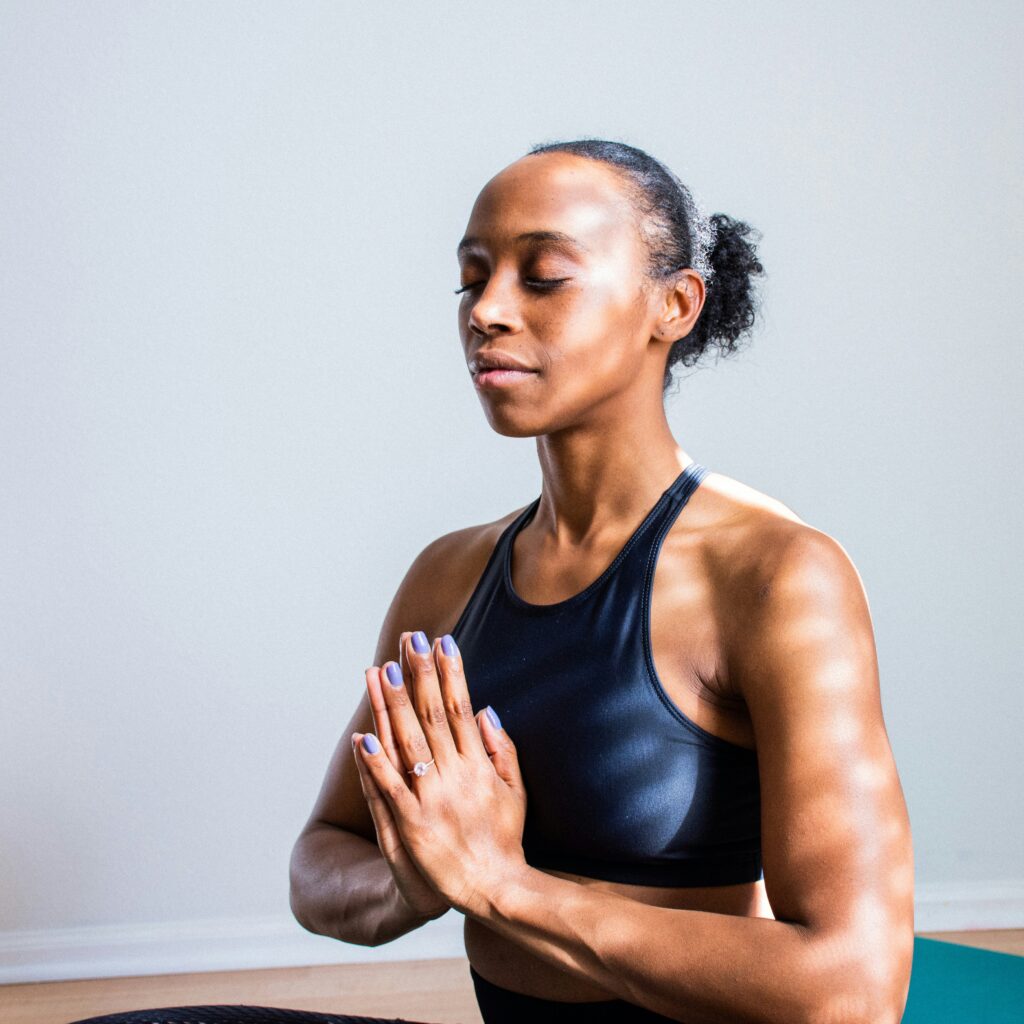
Stress can contribute to muscle tension, particularly around the neck, shoulders, and upper back. Relaxation techniques can therefore complement physical approaches when tension contributes to discomfort.
Consider:
- Slow, controlled breathing.
- Brief meditation sessions.
- Progressive muscle relaxation.
- Gentle stretching before bedtime.
- Quiet activities that reduce mental stimulation.
These approaches should complement appropriate medical care rather than replace treatment for an underlying condition.
14. Combine Methods Instead of Relying on One Remedy
A single home remedy rarely addresses every factor contributing to persistent musculoskeletal discomfort. Combining gentle movement, appropriate temperature therapy, stretching, sleep support, and gradual strengthening can provide a more complete approach.
For example, a simple routine might include:
- A short walk to reduce stiffness.
- Gentle stretching afterward.
- Heat for tight muscles when appropriate.
- Supportive positioning during sleep.
- Gradual strengthening several times each week.
For more information about treatment options, read Quick Pain Relief: Causes, Treatments, Natural Remedies & When to Get Help.
15. Know When Natural Methods Are Not Enough
Home approaches can help mild, uncomplicated discomfort, but they cannot safely treat every cause of pain. Persistent symptoms should not be managed indefinitely without understanding what is causing them.
Seek prompt medical attention when pain occurs with:
- Significant weakness or numbness.
- Loss of bladder or bowel control.
- Fever or unexplained weight loss.
- Severe pain after a major injury.
- Progressive or rapidly worsening symptoms.
- Significant difficulty walking or using an affected limb.
Persistent pain that repeatedly interferes with sleep, work, exercise, or daily activities also deserves professional evaluation.
For topical treatment options, see Best Pain Relief Creams, Gels & Sprays: What Works for Muscle & Joint Pain?.
When Should Pain Be Checked by a Doctor?

Not every ache requires immediate medical attention, but persistent or worsening symptoms should not be ignored. A healthcare professional can determine whether the problem involves muscles, joints, nerves, bones, inflammation, or another underlying condition.
Arrange medical evaluation when:
- Pain continues despite reasonable home care.
- Symptoms repeatedly return without an obvious trigger.
- Pain significantly limits normal activities.
- Numbness, tingling, or weakness develops.
- A serious injury caused the symptoms.
Sudden severe pain after an accident, fall, or major injury requires prompt assessment rather than repeated home treatment.
Pain affecting other body areas also requires targeted evaluation. For example, Quick Relief for Toothache: Do You Really Need a Tooth Extraction? explains why dental pain requires a different treatment approach.
Frequently Asked Questions
1. What is the fastest natural way to reduce muscle pain?
Heat, gentle movement, and light stretching can provide temporary relief when muscle tightness or minor overuse causes discomfort. Recent injuries with swelling may respond better to short periods of cold therapy.
2. Is walking good for back pain?
Gentle walking can reduce stiffness and help maintain normal movement during many uncomplicated back problems. However, severe or worsening pain should be evaluated rather than managed through increased activity alone.
3. Does yoga help with joint and back pain?
Gentle yoga can improve flexibility, strength, balance, and movement for some people with chronic musculoskeletal pain. Avoid painful positions and consider professional guidance when symptoms are persistent or significant.
4. Should heat or ice be used for pain?
Heat often helps stiffness and tight muscles, while cold can temporarily reduce pain and swelling after some recent injuries. Neither option treats every cause of pain, so persistent symptoms need appropriate evaluation.
5. When should natural pain relief methods be stopped?
Stop a home treatment when it causes sharp, worsening, or unusual symptoms instead of gradual improvement. Seek medical advice when pain persists, repeatedly returns, or occurs alongside weakness, numbness, fever, or major injury.