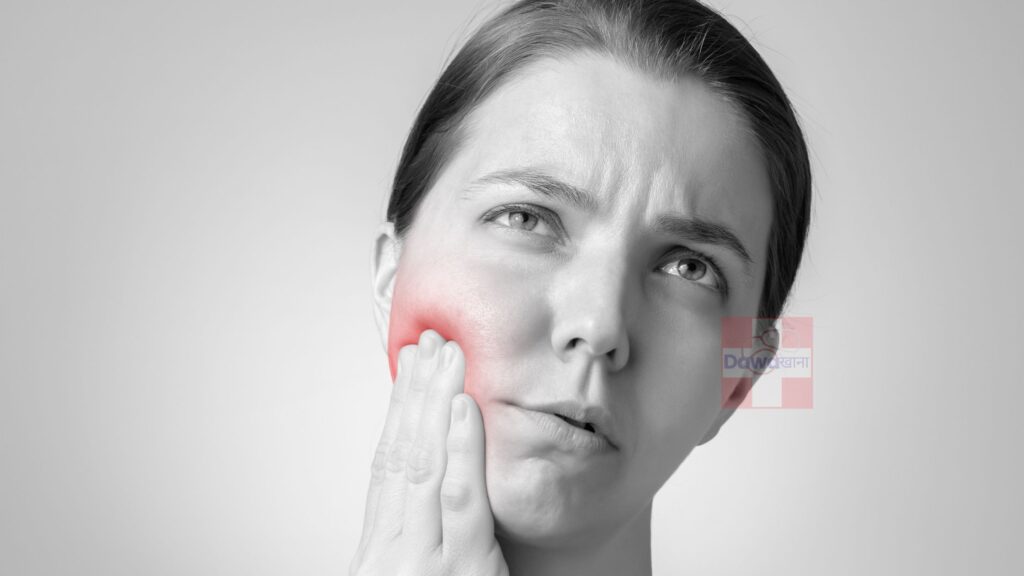

You don’t need to decide between taking drowsy tablets and staying indoors if you want relief from hayfever allergies. Making a few simple changes to your daily routine, using specific home remedies, and taking the right medicines can help. Together, they can calm sneezing, itchy eyes, and a blocked nose within a short time. The following guide shows exactly what does work. It covers everything from breathing exercises to the tablets available at any pharmacy in the UK.
What Triggers Hayfever Symptoms?
Hayfever is an allergic response to pollen carried through the air from trees, grasses, and weeds. While pollen from trees is most prevalent in early spring, pollen from grasses is most common during June and July. Additionally, pollen from weeds continues until early autumn. Since the immune system reacts excessively to these harmless particles, it releases histamine. This leads to typical symptoms such as sneezing, itching, and congestion. The symptoms usually begin before a person reaches thirty years of age. Unfortunately, it gets worse on warm, windy days when the pollen count rises quickly.
Family history also contributes to the issue. Individuals who have relatives with eczema, asthma, or allergies tend to show symptoms at an earlier age. Moreover, mould spores make the problem more complicated as they flourish in damp environments. They can cause symptoms even outside the normal pollen season. When someone knows their particular trigger season, it becomes easier to plan. This may allow them to get reliable hay fever relief before symptoms appear.
Quick Relief Tips You Can Try Today
Small habit changes reduce pollen exposure and ease flare-ups without any medication at all:
- Look at the daily pollen forecast and stay indoors during peak times. Normally, they are before 10 a.m. and early in the evening.
- Keep the windows closed, especially in the bedrooms, and, if possible, use an air conditioner or an air purifier.
- Wear wraparound sunglasses when you are outdoors to prevent pollen from settling on your eyes.
- Before going to bed, take a shower and rinse your hair. It gets rid of the pollen picked up during the day.
- It is necessary to do dry cleaning indoors. This is because if clothes are left outside, then pollen gets trapped in the fabric.
- To trap pollen before it is inhaled, apply a thin layer of balm at the nostrils.
- You should clean the floors and the soft furnishings regularly. Pollen ends up on the carpets and cushions well after the windows have been closed.
With these small adjustments throughout the season, people usually end up needing less strong allergy medication. Thus, they have more time for the things that are more important than just managing their symptoms.
Home Remedies for Hayfever Relief

Lifestyle changes and home remedies, together, can provide real relief for mild to moderate symptoms. For example:
- A saline nasal rinse cleanses the nasal passage and removes pollen that is trapped there.
- Also, steam inhalation loosens mucus and alleviates a blocked nose quickly.
- Putting a cold compress over the closed eyes quickly reduces itching and swelling.
- Furthermore, staying well hydrated thins the mucus and supports the body’s natural filtering process.
- Some people say that they experience fewer symptoms when they regularly eat local honey. However, limited scientific evidence is available on this point. Therefore, it’s best to consider this as a mild supplementary measure rather than a sure-shot cure.
- Tea made from peppermint or chamomile can also help to soothe a throat that is irritated by frequent sneezing.
These remedies are effective as a first resort before taking allergy relief tablets.
Yogic Practices and Breathing Exercises
Traditional yogic methods can make breathing easier during allergy season. Many people find them a helpful supplement to conventional treatment.

Jal Neti (Nasal Irrigation)
Fill a neti pot with warm saline water. Then rinse each nostril, gently and thoroughly removing pollen and mucus from the nasal passage.
Kapalabhati (Skull-Shining Breath)
Take short, strong breaths through the nose. It has the effect of stimulating the respiratory system and of helping to clear congestion. Those who are just starting to do this should begin gently. Also, stop right away if there is any feeling of light-headedness or dizziness.
Anulom Vilom (Alternate Nostril Breathing)
Take turns to breathe through each nostril and block one side at a time with a fingertip. The nervous system calms down, and the nasal congestion can be alleviated after several weeks of consistent practice. It is best to do this for ten minutes every morning before the pollen counts go up. The practice can help maintain a calmer state throughout the day.
The exercises should be seen as supplementary to medical treatment, not a replacement for it. So it’s advisable to consult a healthcare professional if the symptoms are severe or persistent.
Exercise and Hayfever: What to Know
Active living helps to maintain a good immune function and general well-being, but it’s important to consider the time of day during pollen season. On days when pollen levels are high, it’s best to do indoor exercises, for example, swimming or a home gym session. Outdoor exercise in the early morning or immediately after it has rained, when pollen levels usually fall, is generally more comfortable. It is also advisable to rinse off and change your clothes right away after exercising to reduce the amount of pollen that gets brought indoors and thus disrupts your sleep overnight.
Antihistamine Tablets: Which One to Choose
For a great many people, the quickest means of controlling their symptoms when they occur is still to take antihistamine tablets. Most currently available ones are non-drowsy and only need to be taken once a day, even though different brands offer various strengths and formulations.
| Tablet | Active ingredient | Drowsiness | Typical use |
| Zirtek / generic | Cetirizine hydrochloride | Low | Once daily, fast-acting |
| Clarityn / generic | Loratadine | Low | Once daily, long-lasting |
| Allevia | Fexofenadine hydrochloride | Very low | Once daily, non-drowsy |
| Piriton | Chlorphenamine | High | Short-term, night-time use |
Cetirizine and fexofenadine are suitable for daytime use since they are less likely to cause drowsiness. In contrast, Piriton, an older-generation antihistamine, can still work well for occasional relief at night. A pharmacist can select the appropriate hayfever tablets based on a particular symptom pattern and identify any possible interactions with other medications already being taken, such as those prescribed for a different condition.
Herbal and Natural Allergy Relief Options
People who want to obtain relief from allergies through natural means, either in addition to or as an alternative to conventional treatments, often choose several plant-based remedies. In some studies, butterbur extract has demonstrated potential in alleviating nasal symptoms. Still, the product used must be certified as free from pyrrolizidine alkaloids. Quercetin is a flavonoid found in plants is consumed for mild antihistamine-like effects. Also, nettle leaf extract, usually taken as a tea or in capsule form, is a traditional remedy for symptoms caused by seasonal allergies.

The evidence supporting these natural remedies is usually less strong than that for over-the-counter allergy relief pills, so it makes sense to consult a pharmacist before combining herbal treatments with other medications.
When to See a General Practitioner
The usual way for most people to deal with hayfever is to combine avoidance measures with over-the-counter remedies available at any chemist. Yet it’s worthwhile to make an appointment with a general practitioner if the symptoms continue even when taking allergy tablets regularly, if they interfere with sleep or with daily activities, or if there are signs of a second infection, for example facial pain or thick discoloured mucus.
The GP may also talk about using nasal corticosteroid sprays or, in the case of chronic hayfever, arrange a referral for immunotherapy to develop longer-term tolerance. Those who are children, pregnant women, or people who have other health conditions should always ask a pharmacist or doctor before beginning a new tablet or herbal remedy.
Frequently Asked Questions
1. What is the quickest method of obtaining relief from a hay fever allergy?
An antihistamine that doesn’t make you drowsy—for example, cetirizine or fexofenadine—usually produces results within one hour, and you can further speed up relief by combining it with a saline nasal rinse and avoiding times when pollen levels are at their highest.
2. Is it possible for me to take antihistamine tablets every day during pollen season?
Yes, most non-drowsy antihistamine tablets are approved for daily use during the season. If the symptoms still last for more than a few weeks, then you should check the instructions on the packet and consult a pharmacist.
3. Is the relief provided by herbal remedies equal in effectiveness to that of antihistamines?
Herbal remedies such as butterbur and quercetin might help alleviate mild symptoms in certain individuals, but the available evidence is more limited than that for approved tablets; they are most effective when used as a complement rather than a replacement.
4. Does exercise make hayfever worse?
Doing outdoor exercise can lead to greater exposure to pollen, especially on days when pollen counts are high. You can reduce this risk by doing workouts indoors or exercising after it has rained so that you can maintain your activity level throughout the season.
5. When should I see a doctor about hayfever?
A GP visit is worthwhile if over-the-counter tablets don’t control symptoms, if sleep or daily life is affected, or if signs of a sinus or ear infection develop alongside the usual sneezing and congestion.