Author: Dr. Nipunika Shrivastava
Editor & SEO Strategist: Ananya Roy

Finding effective ways to manage daily stress can feel challenging when work, family responsibilities, and constant digital distractions compete for attention. Ashwagandha has gained significant popularity because research suggests it may help support the body’s stress response, making it one of the most widely discussed natural options for stress management today.
What Is Ashwagandha?
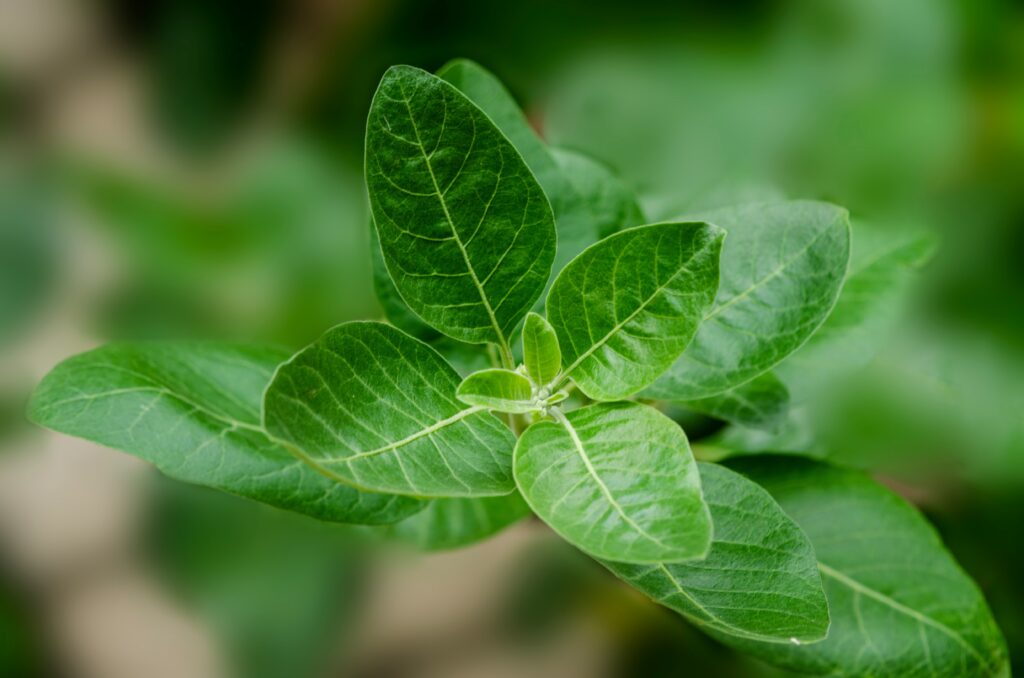
Ashwagandha is an herb commonly used in Ayurvedic medicine, a traditional healthcare system that originated in India thousands of years ago. The plant’s scientific name is Withania somnifera, and its roots and leaves have historically been used to support overall well-being.
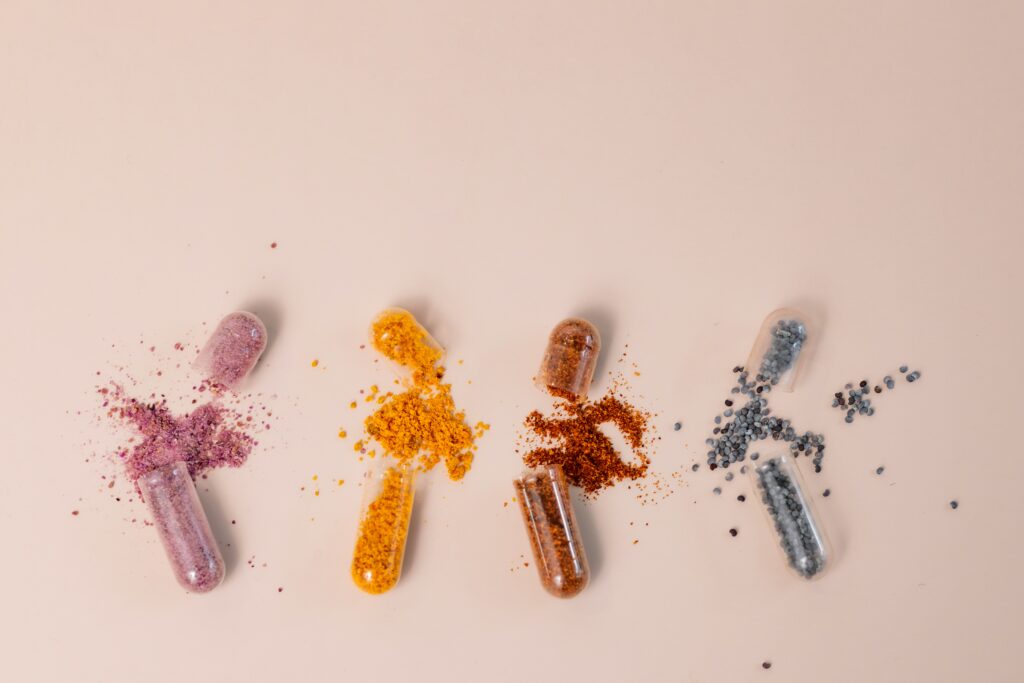
Today, ashwagandha is available in several forms, including:
- Capsules
- Powders
- Tablets
- Liquid extracts
- Gummies
Interest in ashwagandha has increased significantly because researchers have explored its potential role in helping the body adapt to stress. For that reason, it is frequently included in products marketed for relaxation, focus, and emotional balance.
How Ashwagandha May Help With Stress
The body’s response to stress involves several biological systems, including the hypothalamic-pituitary-adrenal axis, often abbreviated as the HPA axis. This system helps regulate cortisol, a hormone associated with stress responses.
Some studies suggest that ashwagandha may help support healthy cortisol levels when used consistently. As a result, many individuals seeking anxiety and stress relief consider it among the most popular herbal options available.
Researchers believe the herb may act as an adaptogen. Adaptogens are substances that may help the body respond more effectively to physical and emotional stressors while supporting overall resilience.
Although findings remain promising, results can vary depending on dosage, product quality, and individual health factors.
What Research Says About Ashwagandha
Several clinical studies have investigated whether ashwagandha can support stress management and emotional well-being.
Research has reported improvements in perceived stress levels among participants who used standardized ashwagandha extracts for several weeks. Some studies have also observed reductions in cortisol levels compared with placebo groups.
However, research remains ongoing. Many studies involve relatively small sample sizes, and scientists continue evaluating long-term effects and optimal dosing strategies.
Current evidence suggests that ashwagandha may offer benefits when combined with broader lifestyle approaches that support physical and mental health.
Potential Benefits of Ashwagandha for Stress Relief

Many people explore ashwagandha because it may support several aspects of well-being associated with stress management.
1. May Help Reduce Perceived Stress
The most frequently studied benefit involves stress reduction. Several clinical trials suggest participants experienced lower stress scores after using ashwagandha consistently over multiple weeks.
While individual experiences differ, this finding has contributed to growing interest in ashwagandha as part of a broader stress management strategy.
2. May Support Better Sleep
Stress and poor sleep often reinforce one another. Difficulty sleeping can increase stress levels, while elevated stress may make restful sleep more difficult.
Some research suggests ashwagandha may support sleep quality, which can indirectly contribute to better emotional resilience and daily functioning.
3. May Support Focus and Mental Performance
Persistent stress can negatively affect concentration and productivity. Preliminary research indicates that ashwagandha may help support cognitive performance and mental clarity in certain individuals.
Improved focus often becomes an important factor for those looking for effective anxiety and stress relief throughout demanding workdays.
4. May Support Overall Well-Being
In addition to stress-related outcomes, researchers continue studying potential effects on energy levels, exercise recovery, and general quality of life.
Although more research remains necessary, current findings suggest that ashwagandha may offer broader wellness benefits beyond stress management alone.
Recommended Dosage of Ashwagandha
Dosage recommendations vary depending on the product type and concentration of active compounds.
The following table provides general guidance commonly used in research settings.
| Form | Typical Daily Range |
| Standardized extract | 240-600 mg |
| Powdered root | 1-6 grams |
| Capsules | Follow product instructions |
| Gummies | Follow product instructions |
Many studies examining stress-related outcomes have used standardized extracts within the 300-600 mg range.
Consistency often matters more than taking large amounts. Using products according to manufacturer recommendations and healthcare guidance remains the safest approach.
How Long Does Ashwagandha Take to Work?
Unlike medications that may provide immediate effects, ashwagandha generally requires regular use before noticeable benefits appear.
Many users report improvements after several weeks of consistent supplementation. Research studies commonly evaluate outcomes after six to twelve weeks of use.
Several factors can influence results, including:
- Product quality
- Dosage
- Overall health status
- Sleep habits
- Stress levels
- Lifestyle factors
Patience and consistency are often necessary when evaluating whether a supplement is providing meaningful benefits.
Possible Side Effects
Most studies suggest that ashwagandha is generally well tolerated when used appropriately. However, side effects can still occur.
Potential side effects may include:
- Stomach discomfort
- Nausea
- Diarrhea
- Drowsiness
- Headache
These effects are often mild, but individuals respond differently to supplements.
Anyone experiencing concerning symptoms should discontinue use and seek medical advice.
Who Should Avoid Ashwagandha?
Although many healthy adults tolerate the herb well, certain groups should exercise additional caution.
Consult a healthcare professional before using ashwagandha if there is:
- Pregnancy
- Breastfeeding
- Autoimmune disease
- Thyroid disorders
- Use of prescription medications
- Existing medical conditions
Professional guidance helps ensure supplements are appropriate based on individual health circumstances.
Ashwagandha vs Other Stress Relief Supplements
Ashwagandha is not the only supplement marketed for stress management. Several alternatives are commonly available.
| Product Type | Potential Purpose | Common Format |
| Ashwagandha | Stress support and resilience | Capsules, powder, gummies |
| Magnesium | Relaxation support | Capsules, tablets |
| L-theanine | Calm focus | Capsules |
| Chamomile | Relaxation support | Tea, capsules |
| Rhodiola | Stress adaptation support | Capsules |
Many consumers also explore stress relief supplements that combine several ingredients into a single formula.
For example, some products include ashwagandha alongside magnesium, B vitamins, or herbal extracts designed to support relaxation.
What About Stress Relief Gummies?
The growing popularity of stress relief gummies reflects consumer demand for convenient supplementation options. These products often combine ingredients such as ashwagandha, L-theanine, lemon balm, or magnesium.
While gummies can improve convenience and adherence, consumers should review ingredient labels carefully because formulations vary significantly between brands.
How Does Ritual Stress Relief Compare?
Ritual Stress Relief is one example of a branded supplement designed to support stress management. Like many modern wellness products, it combines specific ingredients intended to promote relaxation and emotional balance.
Product selection should focus on ingredient quality, transparency, dosage, and evidence rather than marketing claims alone.
When to Seek Professional Help for Stress or Anxiety

While stress is a normal part of life, persistent symptoms that interfere with daily functioning may require professional support. Ashwagandha and other lifestyle approaches can help manage everyday stress, but they should not replace appropriate mental health care when symptoms become severe.
Consider speaking with a healthcare professional if stress or anxiety:
- Persists for several weeks or months
- Interferes with work, school, or relationships
- Causes significant sleep disturbances
- Leads to frequent panic attacks
- Results in withdrawal from social activities
- Contributes to feelings of hopelessness or despair
Immediate help is necessary if there are thoughts of self-harm, suicide, or concern about personal safety.
Free Mental Health Helplines in the United States
If immediate support is needed, the following free resources are available:
| Service | Contact |
| 988 Suicide & Crisis Lifeline | Call or text 988 (24/7) |
| Crisis Text Line | Text HOME to 741741 |
| Veterans Crisis Line | Call 988, then press 1, or text 838255 |
| SAMHSA National Helpline (Substance Abuse and Mental Health Services Administration) | 1-800-662-HELP (4357) |
Seeking support early can make stress and anxiety easier to manage and may help prevent symptoms from becoming more severe.
Conclusion
Ashwagandha may help support stress management, especially when combined with healthy habits such as regular exercise, quality sleep, balanced nutrition, and yoga. While results vary, a consistent approach that combines natural ingredients with positive lifestyle choices can support greater resilience and overall well-being. Small daily changes often lead to meaningful improvements, helping create a calmer, healthier, and more balanced life.
Frequently Asked Questions
Is ashwagandha safe for daily use?
Research suggests that many healthy adults can use ashwagandha daily for several weeks or months. However, healthcare guidance remains important when underlying medical conditions or medications are involved.
Can ashwagandha replace medical treatment for anxiety?
No. Ashwagandha should not replace professional medical care or prescribed treatments for anxiety disorders or other mental health conditions.
Are stress relief supplements effective?
Some stress relief supplements have supportive evidence, while others require additional research. Effectiveness depends on ingredients, dosage, individual health factors, and overall lifestyle habits.
Are gummies as effective as capsules?
Stress relief gummies may provide similar benefits when they contain comparable ingredient dosages. However, product formulations differ, making label review essential.