Author: Dr. Nipunika Shrivastava
Editor & SEO Strategist: Ananya Roy

Herbal teas for stress relief have been out there in the market, trending, mentioned in books, and in grandma’s recipes for ages. In this blog, we will uncover the truth behind stress relief teas and see if they truly are effective and how.
What Is Stress Relief Tea?
Stress relief tea typically contains herbs traditionally associated with relaxation, calmness, and emotional balance. Unlike regular black or green tea, many stress-focused blends are caffeine-free and rely on botanical ingredients that may help promote a sense of calm.
Common ingredients found in these products include:
- Chamomile
- Lemon balm
- Lavender
- Passionflower
- Peppermint
- Ashwagandha
- Valerian root
Many of these ingredients have been used in traditional wellness practices for centuries. However, modern scientific evidence varies depending on the specific herb and health outcome being studied.
Does Stress Relief Tea Actually Work?
The answer depends largely on the ingredients, individual response, and overall lifestyle factors.
Research suggests that some herbs commonly found in stress relief tea may support relaxation and help reduce feelings of occasional stress. However, evidence remains mixed for many ingredients, and results often differ between individuals.
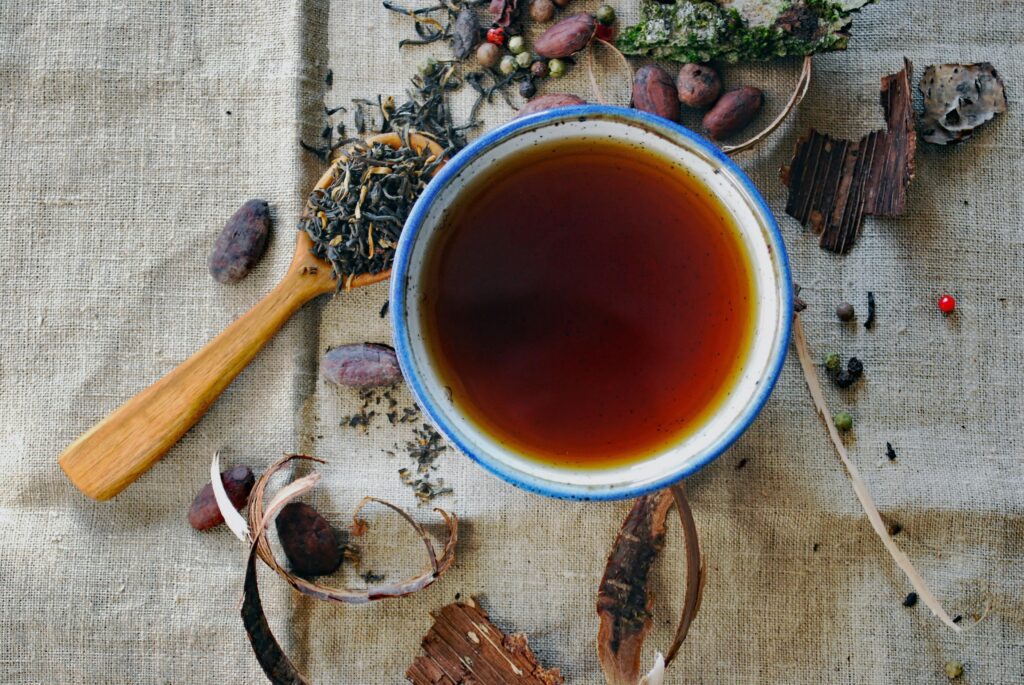
It is important to understand that stress relief tea is not a treatment for anxiety disorders, depression, or other mental health conditions. Instead, it may serve as one component of a broader wellness routine that includes quality sleep, physical activity, mindfulness practices, and healthy nutrition.
The ritual of preparing and drinking tea may also contribute to relaxation. Taking a few minutes away from screens and daily responsibilities can provide a valuable mental break during stressful periods.
Common Ingredients in Stress Relief Tea and Their Potential Benefits
The effectiveness of a tea blend depends largely on its ingredients.
Chamomile
Chamomile is one of the most widely studied herbs used for relaxation.
Research suggests that chamomile may support calmness and promote better sleep quality in some individuals. Its mild flavor and long history of use have made it a common ingredient in herbal tea products marketed for relaxation.
Lemon Balm
Lemon balm belongs to the mint family and has traditionally been used to support emotional well-being.
Some studies suggest that lemon balm may help reduce feelings of nervousness while supporting cognitive performance during stressful situations. However, more research is needed to confirm long-term benefits.
Lavender
Lavender is widely recognized for its aroma, but it is also used in herbal beverages.
Preliminary research suggests lavender may help promote relaxation and support sleep quality. For this reason, it frequently appears in tea blends designed to encourage calmness.
Passionflower
Passionflower has been studied for its potential calming effects.
Although research remains limited, some evidence suggests it may support relaxation and help manage occasional stress. Many manufacturers include passionflower alongside other herbs to create balanced formulations.
Peppermint
Peppermint is not typically associated with stress reduction directly, but it may support overall comfort and relaxation.
Its refreshing flavor can make herbal blends more enjoyable while contributing to a calming tea-drinking experience.
Suggested Read: Ashwagandha for Stress Relief
Best Types of Stress Relief Tea
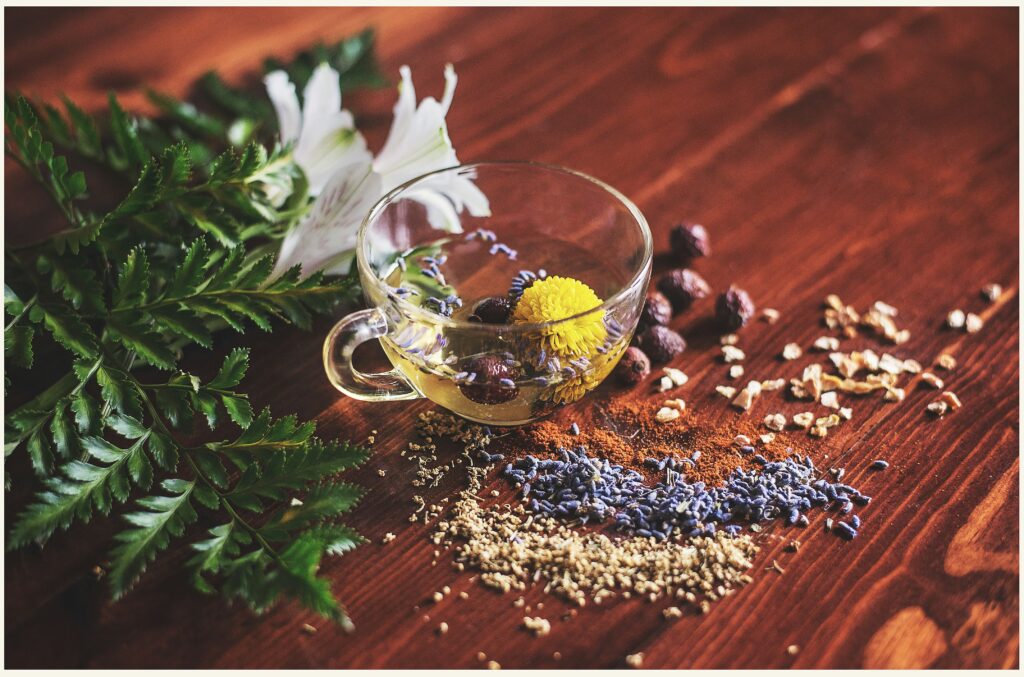
Several varieties of herbal tea are commonly marketed for relaxation and stress management.
The table below highlights popular options.
| Tea Type | Common Ingredients | Potential Purpose |
| Chamomile Tea | Chamomile | Relaxation and sleep support |
| Lemon Balm Tea | Lemon balm | Calmness and focus |
| Lavender Tea | Lavender | Relaxation support |
| Mixed Herbal Blends | Multiple herbs | General stress management |
| Ashwagandha Tea | Ashwagandha | Adaptogenic support |
When choosing a stress relief tea, reviewing ingredient lists can help identify blends that align with personal preferences and wellness goals.
What About Yogi Stress Relief Tea?
Yogi Stress Relief Tea is one of the most recognized products within this category. Its formulations often contain ingredients such as cinnamon, licorice root, lavender, and adaptogenic herbs intended to support relaxation.
Like other herbal products, Yogi Stress Relief Tea may provide benefits for some individuals while offering minimal effects for others. Differences in metabolism, stress levels, lifestyle habits, and expectations can all influence outcomes.
Consumers should evaluate ingredient transparency, product quality, and personal tolerance when selecting herbal tea products.
Most importantly, Yogi Stress Relief Tea should be viewed as a supportive wellness product rather than a medical treatment.
Tea vs Supplements for Stress Management
Many consumers compare tea with supplements when exploring stress-management options.
Both approaches have advantages and limitations.
| Option | Potential Benefits | Considerations |
| Herbal Tea | Relaxing routine, hydration, herbal ingredients | Lower ingredient concentrations |
| Capsules | Standardized doses | Less enjoyable experience |
| Gummies | Convenient format | May contain added sugars |
| Powders | Flexible dosing | Preparation required |
Products such as Nature’s Bounty Anxiety & Stress Relief are examples of supplement formulations marketed to support emotional well-being. Unlike tea products, supplements typically provide more concentrated amounts of active ingredients.
However, stronger formulations do not automatically produce better results. Product quality, dosage, individual health status, and lifestyle factors all influence effectiveness.
Many people find that herbal tea complements broader wellness habits while providing an enjoyable daily routine.
Potential Side Effects and Safety Considerations
Although herbal teas are generally considered safe for most healthy adults, certain precautions remain important.
Potential concerns may include:
- Allergic reactions
- Digestive discomfort
- Drowsiness
- Medication interactions
- Sensitivity to specific herbs
Individuals who are pregnant, breastfeeding, or managing chronic medical conditions should consult a healthcare professional before regularly consuming herbal products.
Certain herbs may also interact with medications used for anxiety, depression, blood pressure management, or sleep disorders.
Reviewing ingredient labels carefully can help reduce unnecessary risks.
When to Seek Professional Help
While occasional stress is common, persistent symptoms may require professional support.
Consider speaking with a healthcare professional if stress:
- Continues despite lifestyle changes
- Interferes with work or relationships
- Causes ongoing sleep disturbances
- Leads to panic attacks
- Contributes to feelings of hopelessness
- Makes daily responsibilities difficult to manage
Herbal products, including stress relief tea, should not replace appropriate mental health care when symptoms become severe or persistent.
Free Mental Health Helplines in the United States
Do not hesitate to seek help. The following numbers offer help free of charge:
| Service | Contact |
| 988 Suicide & Crisis Lifeline | Call or text 988 |
| Crisis Text Line | Text HOME to 741741 |
| Veterans Crisis Line | Call 988, then press 1, or text 838255 |
| SAMHSA National Helpline (Substance Abuse and Mental Health Services Administration) | 1-800-662-HELP (4357) |
Immediate help should be sought if there are thoughts of self-harm, suicide, or concern about personal safety.
Medical Review: This article has been medically reviewed for accuracy by Dr. Nipunika Shrivastava. It is intended for educational purposes only and should not be considered medical advice.
Conclusion
Stress relief tea may offer a simple and enjoyable way to support relaxation, particularly when it contains ingredients such as chamomile, lemon balm, or lavender. While research suggests certain herbs may help promote calmness, tea works best as part of a broader approach that includes regular exercise, quality sleep, balanced nutrition, mindfulness, and healthy stress-management habits. Small daily rituals can contribute to greater emotional well-being over time, helping create a calmer and more balanced routine.
Affiliate Disclosure
This article may contain affiliate links to products available on Amazon and other partner websites. If a purchase is made through these links, we may earn a small commission at no additional cost to the reader. These commissions help support our content creation efforts. Product recommendations are based on research, editorial review, and relevance to the topic and are not influenced by affiliate partnerships.