
The safest route to quick pain relief depends on the pain’s location, severity, duration, and underlying cause. Rest, ice or heat, gentle movement, and appropriate over-the-counter medicine may help mild symptoms, but severe, sudden, unexplained, or worsening pain requires medical assessment.
What is Pain? Its Meaning
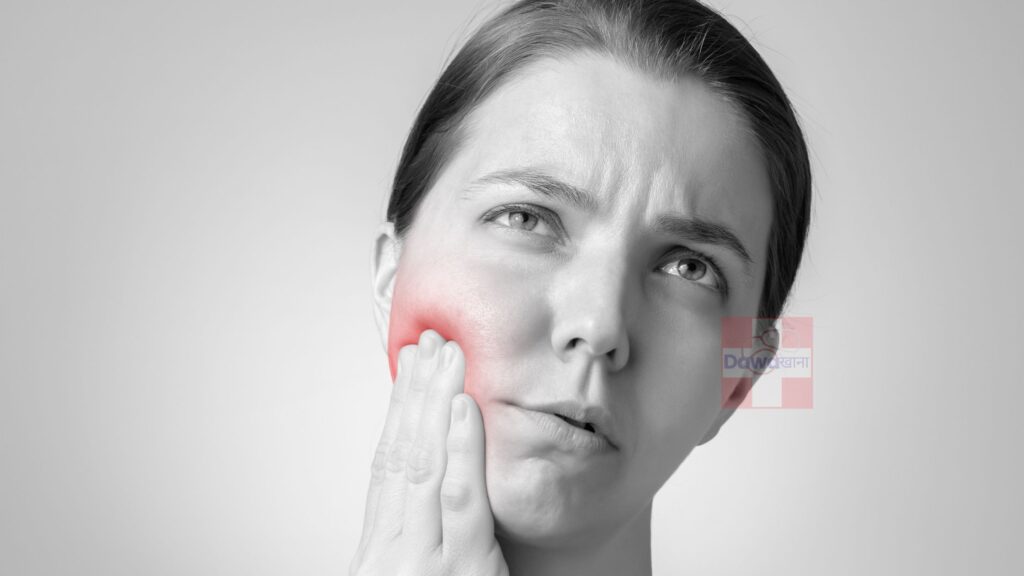
Pain is the body’s warning signal that something may be injured, inflamed, infected, or affected by abnormal nerve activity. Although pain often protects the body, persistent symptoms can interfere with sleep, movement, mood, work, and overall quality of life.
Pain commonly falls into several overlapping categories:
- Acute pain usually begins suddenly after an injury, procedure, infection, or other identifiable event, then improves as healing occurs.
- Chronic pain continues or returns for an extended period, sometimes despite adequate healing of the original injury.
- Nociceptive pain results from tissue damage or inflammation and may feel aching, throbbing, tender, or sharp.
- Neuropathic pain develops from nerve injury or disease and may feel burning, shooting, tingling, numb, or electric.
- Nociplastic pain involves altered pain processing without clear evidence of ongoing tissue or nerve damage.
The sensation alone cannot always identify the cause. Therefore, pain severity, associated symptoms, medical history, medications, and physical findings all influence the most suitable treatment. (Source)
Common Types and Causes of Pain
Different patterns often suggest different sources, although only a clinical evaluation can establish a diagnosis.
| Pain pattern | Common causes | Helpful first measures |
| Muscle pain | Strain, overuse, delayed soreness, or viral illness | Relative rest, ice initially, heat later, and gentle mobility |
| Joint pain | Sprain, arthritis, bursitis, gout, or inflammation | Protection, elevation, cold therapy, and professional assessment when swelling persists |
| Nerve pain | Diabetes, shingles, sciatica, nerve compression, or injury | Medical evaluation, because ordinary painkillers may provide limited benefit |
| Headache | Migraine, tension, dehydration, infection, or medication overuse | Fluids, quiet surroundings, regular meals, and condition-specific treatment |
| Abdominal pain | Indigestion, infection, gallstones, kidney stones, or appendicitis | Avoid self-treating severe or unexplained pain with repeated medication |
| Menstrual cramps | Uterine contractions associated with menstruation | Heat, gentle activity, and suitable anti-inflammatory medicine |
For additional guidance on menstrual symptoms, read Period Cramps Relief: 9 Proven Ways to Ease the Pain.
Quick Relief for Pain – Medicines That May Help

Over-the-counter (OTC) and prescription medications remain the fastest route to immediate pain relief for most people. Nonsteroidal anti-inflammatory drugs (NSAIDs), such as ibuprofen and naproxen, reduce both pain and inflammation effectively.
Acetaminophen works well for mild to moderate pain but does not target inflammation. Topical treatments, including gels and patches, offer localized relief without affecting the entire system.
| Medicine Type | Best For | Things to Note |
| NSAIDs (ibuprofen, naproxen) | Inflammation, muscle and joint pain | Avoid long-term use without medical guidance |
| Acetaminophen | Mild to moderate pain, fever | Gentler on the stomach than NSAIDs |
| Topical analgesics | Localized muscle or joint pain | Minimal systemic side effects |
| Prescription pain relievers | Severe or chronic pain | Requires a doctor’s prescription and monitoring |
Following the dosage instructions on the label matters, since exceeding recommended amounts increases the risk of side effects.
Opioids are not the routine first choice for many common acute conditions because dependence, overdose, constipation, sedation, and other serious risks can occur; nonopioid treatments work at least as well for many common acute pain conditions.
Combining multiple medications without medical advice can also lead to complications, especially for people managing long-term conditions. A pharmacist can offer guidance on which options are safe to combine and which ones interact poorly with existing prescriptions. (Source)
Natural Pain Relief Options

Not every ache requires medication, and several natural pain relief methods work well for mild to moderate discomfort.
- Ice and heat therapy: Ice reduces swelling within the first 48 hours, while heat relaxes tight muscles afterward.
- Gentle stretching: Improves blood flow and reduces stiffness, especially for muscle and joint discomfort.
- Adequate hydration: Dehydration often worsens headaches and muscle cramps, so drinking enough water supports faster recovery.
- Quality sleep: The body repairs tissue and reduces inflammation most effectively during deep sleep cycles.
- Turmeric and ginger: Both contain natural anti-inflammatory compounds that may ease mild joint and muscle discomfort.
- Epsom salt baths: Magnesium absorption through warm water may relax sore muscles after physical activity.
- Mindfulness and breathing exercises: Slowing the breath lowers stress hormones that can otherwise intensify pain perception.
These remedies work best for temporary or mild pain and should not replace medical treatment for persistent symptoms. (Source)
Building Long-Term Pain Resilience
Short-term relief matters, but daily habits reduce how often flare-ups happen in the first place.
- Maintaining a healthy body weight to ease pressure on joints
- Adding low-impact exercise, such as walking or swimming, several times a week
- Practicing correct posture while sitting, standing, or lifting objects
- Managing stress through short breaks, breathing exercises, or time outdoors
- Scheduling regular checkups to catch developing conditions early
Small, consistent changes often prevent minor aches from turning into recurring discomfort down the road.
When to Seek Medical Help

Home remedies and OTC medicine help with most everyday aches, but certain symptoms call for prompt medical attention rather than continued self-treatment.
- Pain lasting longer than a few weeks despite treatment
- Sudden, severe pain with no clear cause
- Pain accompanied by fever, swelling, or redness
- Numbness, weakness, or loss of function in the affected area
- Pain that worsens at night or disrupts regular sleep
- Chest pain, which always requires emergency evaluation
Ignoring these warning signs delays diagnosis and can turn a treatable issue into a more serious condition. A healthcare provider can identify the underlying cause and recommend an appropriate long-term pain management plan when needed.
Pain relief starts with identifying the type and cause, then choosing the right combination of medicine, natural remedies, and lifestyle changes. Quick pain relief is achievable for most everyday aches, but persistent or severe symptoms always deserve a professional evaluation.
Final Takeaways
The fastest safe approach combines symptom-specific self-care with careful attention to warning signs. Mild pain may improve with rest, temperature therapy, gentle movement, or correctly used medicine, while persistent, severe, or unusual pain deserves professional evaluation rather than repeated self-treatment.
Tooth pain with facial swelling, fever, difficulty swallowing, or difficulty breathing needs urgent dental or medical attention. Read Quick Relief for Toothache: Do You Really Need a Tooth Extraction? for more information about dental evaluation.
Medical note: This article provides general health information and does not replace diagnosis or individualized medical advice.
Frequently Asked Questions
What provides immediate pain relief at home?
Cold or heat, depending on the cause, can reduce discomfort temporarily, while acetaminophen or an NSAID may help suitable adults. Always follow the product label and check contraindications before taking medication.
Is heat or ice better for pain?
Ice usually helps recent swelling and soft-tissue injuries, whereas heat often helps stiffness and muscle spasm. Avoid either method directly on skin, and stop when numbness or skin irritation develops.
Can exercise reduce chronic pain?
Appropriately graded exercise can improve function and reduce symptoms for several chronic conditions. Begin gradually and obtain professional guidance when pain causes weakness, instability, severe swelling, or neurological symptoms.
When should pain become concerning?
Pain becomes more concerning when it appears suddenly, becomes severe, follows major trauma, or occurs with chest symptoms, breathing difficulty, fever, weakness, confusion, or persistent vomiting. These warning signs require urgent medical assessment.
Are natural remedies safe with pain medicines?
Some supplements, herbs, and essential oils can interact with pain medicines or increase bleeding, sedation, liver injury, or kidney risk. Discuss complementary products with a qualified healthcare professional before combining them.