
You want fast relief from that nagging itch without wasting time on guesswork. This guide cuts straight to proven causes, the right eye drops for itchy eyes, and home remedies that actually work, plus clear signs when you need a doctor.
What Causes Itchy Eyes
Allergies trigger most cases of itchy, watery eyes across the United States each year. Up to 40% of Americans report ocular allergy symptoms at least once, with peaks during June and July pollen seasons.
Common triggers include:
- Pollen from trees, grasses, and weeds
- Pet dander and saliva proteins
- Dust mites living in bedding and carpets
- Mold spores in damp indoor spaces
- Smoke, chlorine, and air pollution
Dry eye syndrome also causes persistent itching, especially with screen overuse or contact lens wear. Blepharitis, an eyelid inflammation, creates crusty debris that irritates the eye surface throughout the day.
Environmental irritants like tobacco smoke or chlorinated pool water spark immediate itching in sensitive individuals. Foreign objects such as eyelashes or dust particles create that “something stuck” feeling with intense itching.
Allergy vs Infection: Spot the Difference
You need to distinguish allergies from infections before choosing treatment. Allergic conjunctivitis affects both eyes simultaneously with clear, watery discharge and intense itching.
Infectious conjunctivitis often starts in one eye before spreading, featuring thick yellow or green discharge that crusts overnight. Bacterial infections cause eyelids to stick together upon waking, while viral cases accompany cold or flu symptoms.
| Feature | Allergic Conjunctivitis | Infectious Conjunctivitis |
| Both eyes? | Usually yes | Often starts in one |
| Discharge | Clear, watery | Thick, yellow/green |
| Itching | Intense, constant | Mild to moderate |
| Contagious? | No | Yes (viral/bacterial) |
| Other symptoms | Sneezing, runny nose | Fever, sore throat |
Contact lens wearers face higher infection risks with red, painful eyes requiring urgent care.
Best Eye Drops for Fast Relief
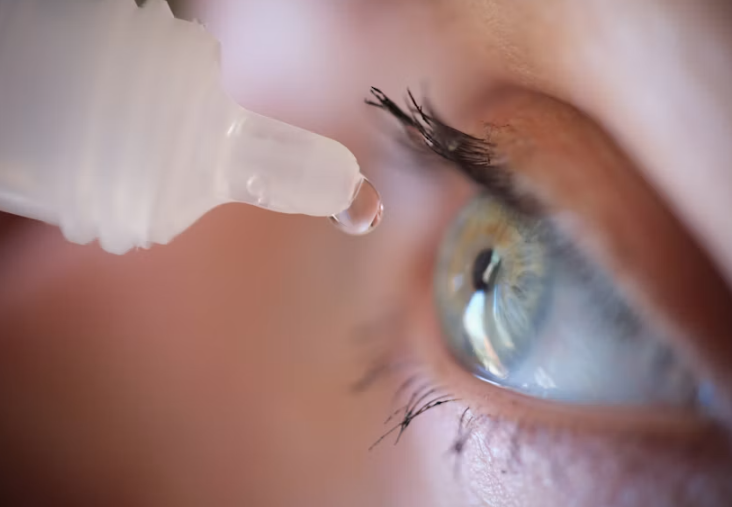
Over-the-counter antihistamine eye drops deliver quick itchy eye relief by blocking histamine receptors directly on the eye surface.
Top pharmacist-recommended options include:
- Ketotifen (Zaditor, Alaway): Works within minutes, lasts 12 hours, safe for contacts
- Olopatadine (Pataday): Once-daily dosing, strong itch suppression, minimal stinging
- Azelastine (Optivar): Fast-acting, prescription-strength available OTC in some states
- Naphcon-A: Combines antihistamine with decongestant for redness relief
- Artificial tears (preservative-free): Flush allergens, soothe dryness, use hourly
Avoid redness-relief drops containing tetrahydrozoline for more than three consecutive days. These create rebound redness and worsen symptoms long-term. (Source)
Apply one drop per eye, wait five minutes between different medications, and remove contact lenses before instilling drops.
Home Remedies That Actually Work

Cold compresses reduce inflammation and numb itch receptors within minutes of application. Soak a clean cloth in cold water, wring excess liquid, and rest gently over closed eyes for ten minutes.
Rinse eyes with sterile saline solution or preservative-free artificial tears to flush out pollen and irritants effectively. Use single-use vials to avoid contamination during multiple daily rinses.
Try these additional home strategies:
- Chilled tea bags: Caffeinated black or green tea bags provide tannins that reduce swelling
- Cucumber slices: Natural cooling effect soothes irritated eyelid skin
- Humidifier: Adds moisture to dry indoor air, especially during winter heating seasons
- Shower before bed: Removes pollen from hair and skin to prevent nighttime itching
Oral antihistamines like cetirizine or loratadine help when eye drops alone fail to control severe allergic reactions. (Source)
Prevention Tips to Stop Itching Before It Starts
You can prevent most allergy-related eye itching with simple daily habits and environmental controls. Start by checking local pollen forecasts and limiting outdoor exposure during peak morning hours.

Wear wraparound sunglasses outdoors to block windborne allergens from reaching your eyes directly. Change pillowcases twice weekly and wash bedding in hot water to eliminate dust mites effectively.
Implement these prevention strategies:
- Keep windows closed during high pollen days and use air conditioning instead
- Shower and change clothes immediately after outdoor activities
- Use HEPA air filters in bedrooms to capture airborne allergens overnight
- Avoid rubbing eyes, which releases more histamine and worsens itching
- Apply preservative-free lubricating drops before known allergen exposure
Contact lens wearers should switch to daily disposables during allergy season and never sleep in lenses. (Source)
When to See a Doctor
Seek immediate medical attention if itchy eyes accompany severe pain, sudden vision changes, or light sensitivity. These symptoms signal corneal inflammation, infection, or intraocular problems requiring urgent treatment. (Source)
Contact an eye doctor promptly when:
- Symptoms persist beyond 48 hours despite home remedies and OTC drops
- Thick yellow or green discharge appears with crusted eyelids
- Only one eye remains affected while the other stays normal
- Vision becomes blurry, or you see halos around lights
- Eyelids swell significantly or eyes become difficult to open
Emergency care is necessary for chemical exposure, embedded foreign objects, or trauma with bleeding.
People with weakened immune systems, recent eye surgery, or contact lens-related pain need same-day evaluation. Steroid eye drops require prescription monitoring to prevent glaucoma and cataract formation.
FAQs
How quickly do allergy eye drops work for itchy eyes?
Most antihistamine eye drops like ketotifen start relieving itch within 3 to 5 minutes. Full effect builds over 15 minutes and lasts 8 to 12 hours depending on the formulation.
Can dry eyes cause itching without allergies?
Yes, dry eye syndrome frequently causes itching, burning, and grittiness without any allergic triggers present. Preservative-free artificial tears used hourly often provide significant relief.
Is it safe to use redness-relief drops daily?
No, decongestant drops cause rebound redness and worsen symptoms after 3 consecutive days of use. Switch to antihistamine or lubricating drops for ongoing management.
When should children see a doctor for itchy eyes?
Children need evaluation if itching disrupts sleep, causes frequent eye rubbing, or accompanies vision changes. Persistent symptoms beyond 2 days warrant pediatric ophthalmology assessment.
Can contact lenses make itchy eyes worse?
Contact lenses trap allergens against the eye surface and increase infection risk during allergy season. Switch to daily disposables or wear glasses until symptoms resolve completely.