A cold compress, a saline rinse, and the right eye drop can calm irritated eyes within minutes. Pollen season and dust triggers do not always call for a prescription, and eye allergy relief is often just a few simple steps away. This guide covers proven home remedies, effective over-the-counter options, and the exact signs that call for a doctor’s visit.
What Causes Eye Allergies?
Understanding what causes eye allergies makes it easier to prevent flare-ups before they start. The eyes react to airborne allergens such as pollen, pet dander, dust mites, and mould spores, releasing histamine that triggers inflammation. Seasonal changes, indoor irritants, and even certain cosmetics or contact lens solutions can set off the same chain reaction. Once histamine floods the tissue around the eyes, swelling, redness, and irritation follow almost immediately, which is why fast eye allergy relief matters so much during peak allergy months. Knowing the exact trigger also shapes which eye allergy relief method, whether a rinse or a drop, works best for a given situation.
Common Symptoms to Watch For
Eye allergies rarely announce themselves quietly, and the symptoms often overlap with other conditions. Recognizing the pattern early helps in choosing the right remedy sooner rather than later.
- Itchy eyes and itchy eyelids that worsen with rubbing
- Watery eyes accompanied by a burning or gritty feeling
- Red watery eyes that look inflamed along the lash line
- Scratchy eyes with a sandy or foreign-body sensation
- Mild swelling around the eyelids after allergen exposure
These symptoms typically appear within minutes of contact with an allergen and can persist for hours without intervention. Tracking which situations trigger the reaction, such as mowing the lawn or handling pets, makes future eye allergy relief much easier to plan for.
Home Remedies for Eye Allergy Relief

Many mild cases respond well to simple, low-cost remedies before any medicine becomes necessary.
Cold Compress
Placing a clean, damp washcloth chilled in the refrigerator over closed eyelids for ten minutes reduces swelling and calms itchy eyes allergies almost instantly. The cold temperature constricts blood vessels and numbs the itch response, making it one of the fastest forms of itchy eye allergy relief available at home.
Saline Eye Rinse
Flushing the eyes with sterile saline solution washes away pollen, dust, and other irritants sitting on the surface. This simple rinse is especially useful after spending time outdoors and works as a quick, drug-free eye itch relief drops alternative.
Cucumber Slices and Chilled Tea Bags
Chilled cucumber slices or used, cooled tea bags placed over the eyes for a few minutes soothe inflammation naturally. Tannins in tea have mild astringent properties that help with puffiness and redness.
Avoid Rubbing
Rubbing releases more histamine and worsens irritation, even though itchy eyes create a strong urge to scratch. Blinking rapidly or applying a cold compress instead breaks the itch-scratch cycle far more effectively.
Yogic Practices and Eye Exercises for Eye Allergy Relief
Certain breathing techniques and gentle eye exercises support circulation and reduce stress-related inflammation, complementing other remedies without replacing medical care.
Palming
Rubbing the palms together to generate warmth, then cupping them gently over closed eyes for thirty seconds, relaxes the eye muscles and improves local blood flow. This technique is often recommended alongside other soothing methods for scratchy eyes.
Eye Rotations and Blinking Exercises
Slow, deliberate eye rotations in a clockwise and counter-clockwise direction, followed by rapid blinking for ten seconds, help flush tears across the surface. Regular practice keeps the eyes lubricated and less prone to dryness-triggered irritation.
Alternate Nostril Breathing
This calming pranayama technique lowers overall stress, and since stress can heighten allergic reactions, a few minutes of slow, controlled breathing each day may reduce the frequency of flare-ups over time.
OTC Eye Drops and Eye Allergy Medicine

Several over-the-counter options are available across the United States for anyone needing dependable eye allergy medicine without a prescription.
| Drop Type | Common Examples | Best For |
| Antihistamine drops | Zaditor, Alaway | Fast relief from itchy watery eyes |
| Mast cell stabilizers | Cromolyn sodium | Prevention with regular seasonal use |
| Artificial tears | Refresh, Systane | Diluting allergens and easing dryness |
| Decongestant drops | Visine-A, Naphcon-A | Short-term redness reduction |
Antihistamine allergy relief eye drops work within minutes by blocking histamine receptors directly in the eye, offering some of the most dependable eye allergy relief for sudden flare-ups. Oral antihistamines such as loratadine or cetirizine can also help when allergy symptoms extend beyond the eyes to sneezing or congestion. For anyone managing itchy eyelids treatment on a daily basis, mast cell stabilizers used consistently before allergy season tend to prevent symptoms rather than just treating them after they appear.
Reading labels carefully matters, since some allergy eye drops contain decongestants that should not be used for more than a few days. Overuse can cause rebound redness, making symptoms worse once the drops are stopped.
Preventing Future Flare-Ups
Prevention often matters more than treatment once the trigger pattern becomes clear. A few consistent habits reduce how often eye allergy relief is even needed.
- Keep windows closed during high-pollen days and rely on air conditioning instead
- Wash hands and face after spending time outdoors or around pets
- Wash bedding weekly in hot water to cut down on dust mites
- Wear wraparound sunglasses outdoors to physically block airborne allergens
- Replace contact lenses with glasses temporarily during a flare-up
Combining these habits with occasional over-the-counter medicine for itchy eyes keeps most seasonal allergy symptoms manageable without daily disruption.
When to See a Doctor
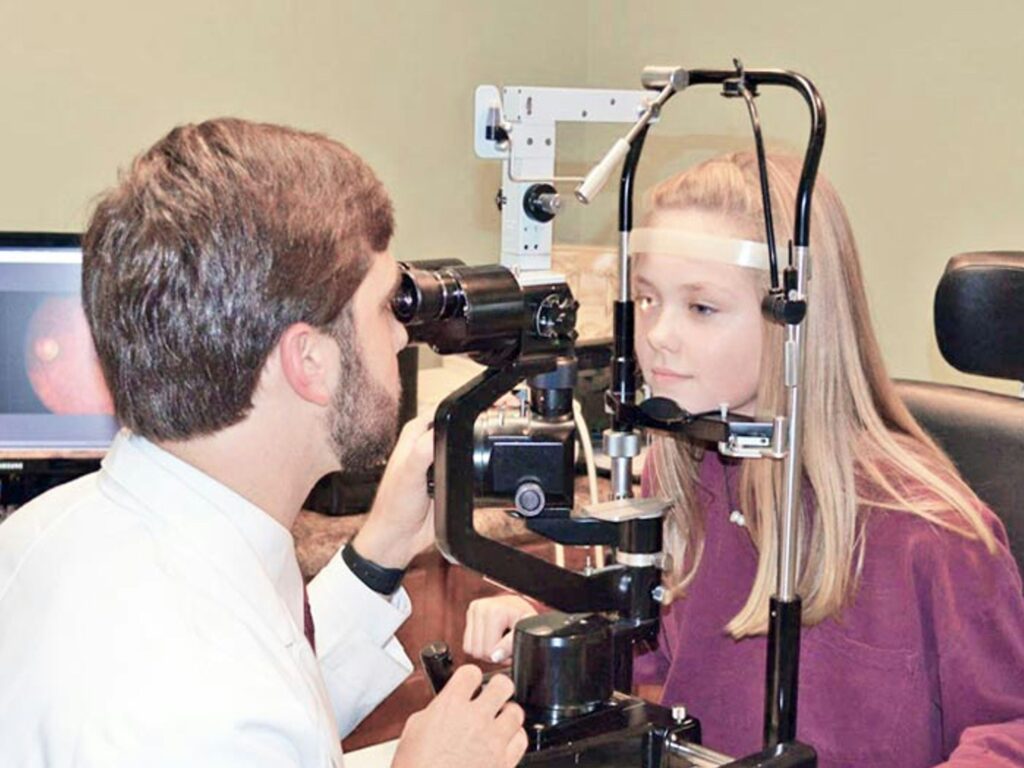
Most eye allergy medicine and home remedies handle mild to moderate symptoms well, but certain signs call for professional evaluation.
- Vision changes, blurring, or sensitivity to light that does not improve
- Thick, colored discharge instead of clear, watery tears
- Severe pain rather than mild irritation or itchiness
- Symptoms lasting longer than two weeks despite consistent treatment
- Swelling severe enough to affect eyelid movement
A doctor can rule out infections, such as conjunctivitis, that mimic allergies but require different treatment entirely. Persistent red watery eyes paired with crusting or sensitivity to light are the clearest signal that eye itch relief drops alone will not be enough.
Final Thoughts
Effective eye allergy relief usually starts with simple, accessible steps: a cold compress, a saline rinse, and consistent allergen avoidance. When symptoms persist, over-the-counter allergy eye drops and oral antihistamines offer reliable backup, and a doctor’s visit becomes necessary only when symptoms resist treatment or point to something more serious.
Frequently Asked Questions
1. What is the fastest way to get eye allergy relief at home?
A chilled compress applied for ten minutes reduces swelling and itchiness almost immediately. Combining it with a saline rinse clears allergens from the eye surface for faster comfort.
2. Can allergy eye drops be used every day?
Antihistamine and mast cell stabilizer drops are generally safe for daily seasonal use. Decongestant drops, however, should be limited to a few days to avoid rebound redness.
3. What causes eye allergies to flare up suddenly?
Sudden exposure to pollen, pet dander, dust, or strong fragrances typically triggers a rapid histamine release. Weather changes and high pollen counts often worsen symptoms within hours.
4. Are yogic eye exercises effective for itchy eyes allergies?
Palming and gentle eye rotations improve circulation and can ease discomfort, though they work best alongside medical remedies. They are not a substitute for antihistamine treatment during severe flare-ups.
5. When should itchy eyelids treatment involve a doctor?
If swelling, pain, or discharge persists beyond two weeks despite home care and OTC drops, a doctor should examine the eyes. Persistent symptoms sometimes indicate infection rather than allergies.