Author: Dr. Nipunika Shrivastava
Editor & SEO Strategist: Ananya Roy
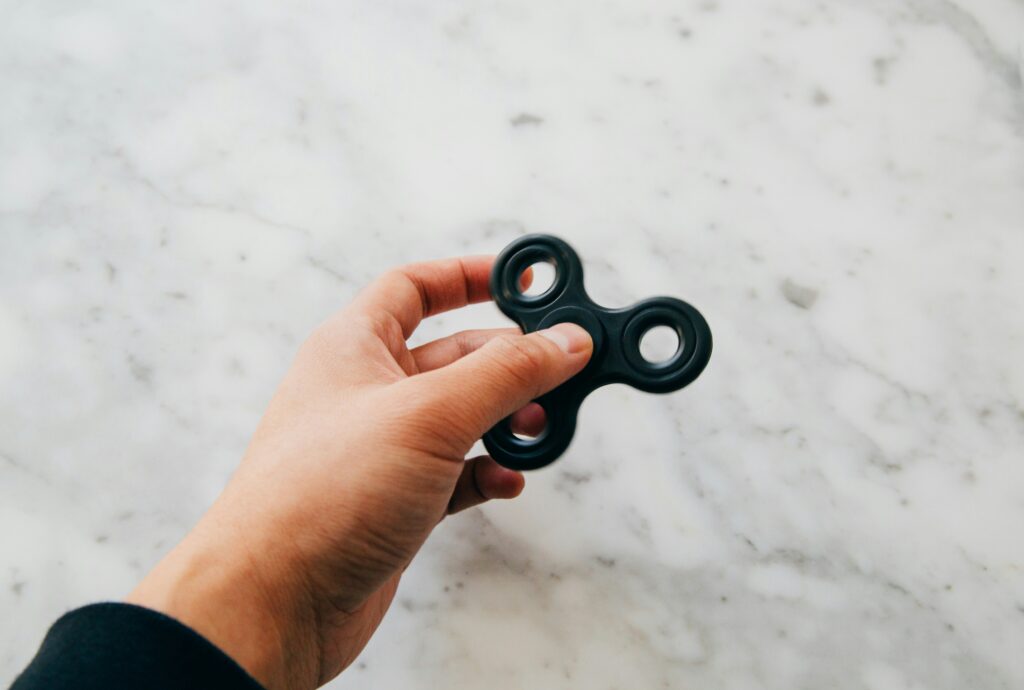
Stress can show up in unexpected ways, including restless hands, difficulty concentrating, muscle tension, and a constant urge to fidget. While stress relief toys cannot eliminate the source of stress, they have proven to help redirect nervous energy, improve focus, and provide a healthy outlet during demanding situations. Understanding how these tools work can help determine whether they deserve a place in a broader stress-management routine.
Do Stress Relief Toys Actually Work?
Stress relief toys have become increasingly popular in homes, schools, and workplaces. From stress balls to fidget cubes, these products are designed to provide sensory stimulation and repetitive movement that may help some individuals feel calmer or more focused.
Research on fidgeting and sensory tools suggests that repetitive hand movements can sometimes improve concentration and help regulate feelings of restlessness. However, results vary significantly between individuals.
It is important to understand that stress relief toys are not treatments for anxiety disorders, chronic stress, or mental health conditions. Instead, they may serve as supportive tools that complement other healthy coping strategies.
For many people, the benefit comes from having a physical outlet for nervous energy during stressful situations.
Why People Reach for Stress Relief Toys

Stress affects both the mind and body. During periods of tension, many individuals notice behaviors such as nail biting, leg shaking, pencil tapping, or frequent device checking.
Stress relief toys provide an alternative outlet for these habits.
Common reasons people use them include:
- Managing nervous energy
- Improving concentration
- Reducing boredom during repetitive tasks
- Supporting focus during meetings
- Creating short mental breaks
- Relieving hand tension
Many office workers report using stress relief toys during long virtual meetings or demanding projects when maintaining attention becomes difficult.
Although these products may not address the underlying cause of stress, they can help make stressful moments feel more manageable.
Types of Stress Relief Toys and How They May Help
Not all stress relief toys serve the same purpose. Different products provide different forms of sensory feedback and engagement.
Stress Balls
Stress balls remain among the most popular options because they are simple, affordable, and easy to use.
Repeated squeezing may help release physical tension in the hands while providing an outlet for nervous energy. They are particularly useful during phone calls, meetings, or study sessions.
Buy Stress Balls.
Fidget Cubes
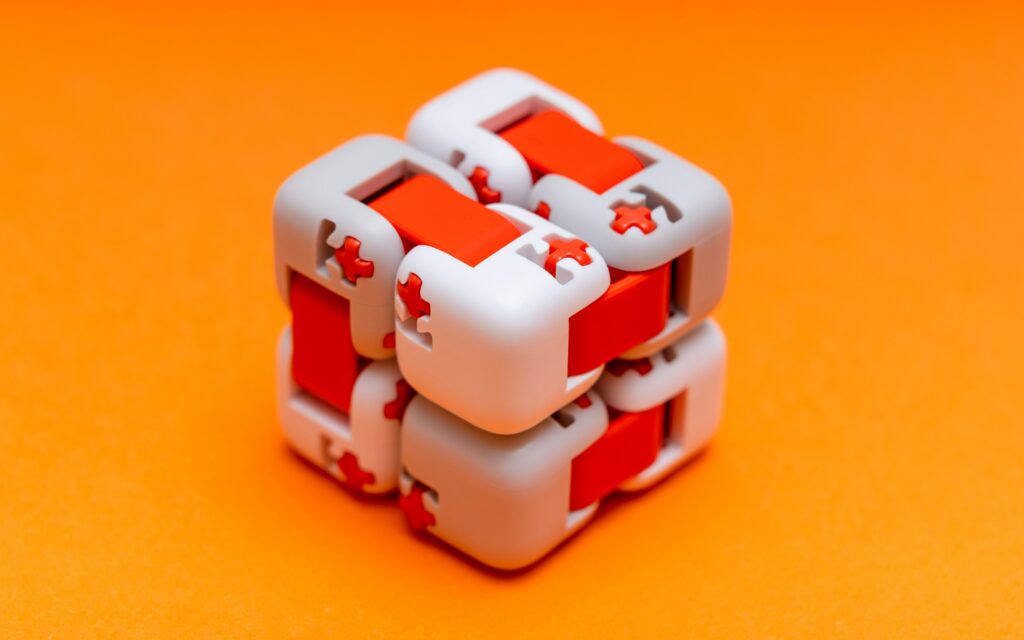
Fidget cubes contain buttons, switches, rollers, and other movable components that encourage repetitive interaction.
Some users find these devices helpful for maintaining focus during mentally demanding tasks while reducing distractions caused by restlessness.
Buy Fidget Cube.
Therapy Putty and Sensory Dough
Therapy putty offers a more tactile experience than traditional stress balls.
Stretching, squeezing, and manipulating putty may provide sensory stimulation while encouraging relaxation. These products are often used in occupational therapy settings but have become increasingly popular among adults as well.
Buy Therapy Putty and Sensory Dough.
Sensory Rings
Sensory rings are small handheld tools designed to roll across fingers.
Many users appreciate their portability and discreet design, making them suitable for classrooms, workplaces, and public settings.
Buy Sensory Rings.
Magnetic Desk Toys
Magnetic desk toys combine stress relief with creativity and problem-solving.
Building shapes and structures can provide a temporary mental break while encouraging focus and engagement.
Buy Magnetic Desk Toys.
Breathing and Mindfulness Tools
Some modern stress relief toys incorporate guided breathing exercises or mindfulness prompts.
These products encourage slower breathing patterns, which may help support relaxation during stressful moments.
Buy a Tibetan Bowl for Meditation.
How to Choose the Right Stress Relief Toy
The best choice depends on individual preferences, daily activities, and specific stress-related challenges.
The table below can help identify suitable options.
| Need | Potential Option |
| Hand tension | Stress ball |
| Frequent fidgeting | Fidget cube |
| Sensory stimulation | Therapy putty |
| Desk-based relaxation | Magnetic desk toy |
| Portable use | Sensory ring |
| Mindfulness practice | Breathing tool |
When selecting stress relief toys, consider factors such as durability, portability, noise level, and ease of use.
A product that works well in a home environment may not be suitable for an office or classroom setting.
Stress Relief Toys in the Workplace
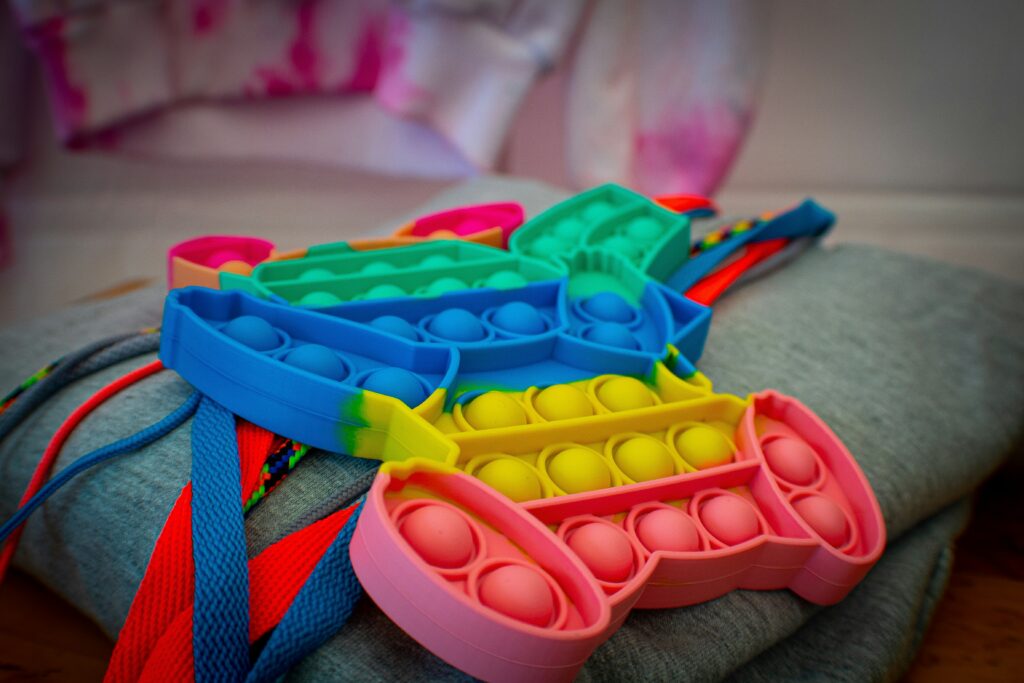
Work-related stress remains one of the most common reasons people seek practical coping tools.
The growing popularity of stress relief office solutions reflects a broader interest in improving workplace well-being. Many employees use sensory tools to help manage long meetings, repetitive tasks, and periods of intense concentration.
However, workplace stress management requires more than a desk accessory.
Employers and employees alike benefit from addressing factors such as workload, communication, work-life balance, and opportunities for recovery throughout the day.
In this context, stress relief toys can serve as supportive tools rather than complete solutions.
Beyond Toys: Other Stress Relief Products That May Help
While sensory tools receive significant attention, many other stress relief products are available.
Examples include:
- Weighted blankets
- Aromatherapy diffusers
- Meditation journals
- Massage tools
- Sleep-support products
- Noise-canceling headphones
Different products address different aspects of stress management. For example, a weighted blanket may support relaxation during sleep, while a massage tool may help relieve physical tension.
Combining multiple approaches often produces better results than relying on a single product.
Can Stress Relief Toys Improve Focus?
One reason these products have gained popularity is their potential effect on concentration.
Some individuals find that controlled fidgeting helps occupy excess mental energy, making it easier to focus on a primary task. This effect appears particularly common during activities that involve extended listening or prolonged concentration.
However, stress relief toys may become distractions if used excessively or in inappropriate settings.
Finding the right balance is essential.
A tool that supports focus for one person may reduce productivity for another.
Stress Relief Gifts: What Should You Look For?

Stress-related products have become increasingly common gift choices.
When selecting stress relief gifts, focus on practicality rather than novelty alone. The most effective products are often those that align with the recipient’s lifestyle and preferences.
Consider factors such as:
- Ease of use
- Portability
- Durability
- Personal interests
- Workplace suitability
A thoughtful gift that encourages relaxation or mindfulness can provide greater value than a product chosen solely for entertainment. Stress relief tea can be a great gift.
Read: Does Stress Relief Tea Work? Benefits, Ingredients, and Expert Insights
The Limitations of Stress Relief Toys
Although stress relief toys may provide benefits for some individuals, they also have limitations.
These products do not:
- Eliminate stressors
- Treat anxiety disorders
- Resolve workplace challenges
- Replace healthy coping skills
- Substitute professional care
The office stress relief conversation often focuses heavily on products, but sustainable stress management usually requires broader lifestyle and environmental changes.
Healthy sleep habits, regular physical activity, balanced nutrition, social support, and mindfulness practices remain essential components of long-term well-being.
When to Seek Professional Help
Stress relief toys and other self-care tools can support daily well-being, but professional help may be necessary when stress becomes persistent or overwhelming.
Consider speaking with a healthcare professional if stress:
- Interferes with work, school, or relationships
- Causes ongoing sleep problems
- Leads to panic attacks
- Persists despite lifestyle changes
- Contributes to feelings of hopelessness
- Makes daily responsibilities difficult to manage
Seeking support early can help prevent symptoms from becoming more severe.
Free Mental Health Resources in the United States
If immediate support is needed, the following confidential services are available free of charge:
| Service | Contact |
| 988 Suicide & Crisis Lifeline | Call or text 988 |
| Crisis Text Line | Text HOME to 741741 |
| Veterans Crisis Line | Call 988, then press 1, or text 838255 |
| SAMHSA National Helpline (Substance Abuse and Mental Health Services Administration) | 1-800-662-HELP (4357) |
Immediate assistance should be sought if there are thoughts of self-harm, suicide, or concern about personal safety.
Conclusion
Stress relief toys can provide a simple and accessible way to channel nervous energy, support focus, and encourage short mental breaks during stressful situations. While they are not a substitute for healthy coping strategies, they may complement broader approaches that include exercise, quality sleep, mindfulness, and social connection. When used alongside positive lifestyle habits, these tools can contribute to a more balanced and manageable response to everyday stress.
Affiliate Disclosure: Some links in this article may be affiliate links. We may earn a small commission from qualifying purchases at no extra cost to the reader.