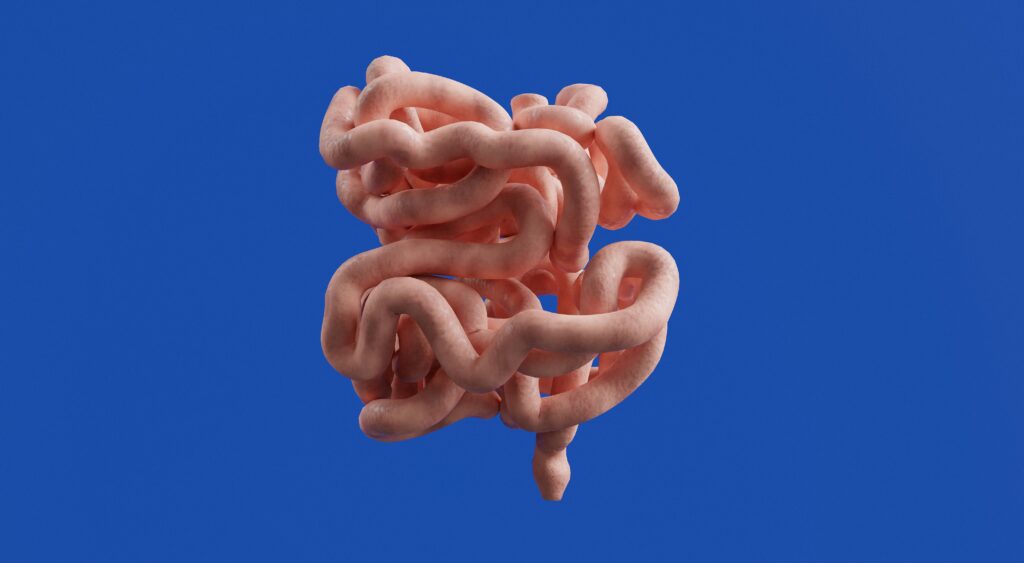

Recent reports of explosive diarrhea linked to a Cyclospora outbreak have raised concerns across the United States. While many people assume these symptoms are simply food poisoning, they can sometimes point to an intestinal parasite infection that needs proper diagnosis and treatment. Dawakhaana is breaking down the symptoms, possible causes, treatment options, and practical prevention tips to help separate facts from fear.
What’s Behind the Recent Cyclospora Outbreak?
The recent cyclospora outbreak has brought food safety back into the spotlight after several people across the United States reported severe digestive illness. Health officials continue investigating the source while advising consumers to stay informed through official updates and seek medical care if symptoms persist.
How does Cyclospora spread?
Unlike many stomach viruses, Cyclospora usually spreads through contaminated food or water rather than direct contact with another person.
Common sources include:
- Fresh leafy vegetables
- Herbs
- Berries
- Contaminated drinking water
- Produce washed with unsafe water
Key takeaway: Proper washing lowers risk but may not remove every parasite because contamination can occur before produce reaches consumers.
How Can an Intestinal Parasite Infection Be Prevented?
Although no prevention strategy offers complete protection, adopting safe food and hygiene practices can significantly reduce the risk of an intestinal parasite infection.

Everyday prevention tips
- Wash fruits and vegetables thoroughly before eating.
- Drink treated or filtered water whenever possible. You can boil the water and then let it cool down before drinking.
- Do not eat raw vegetables and avoid fruits for the time being, as they may be exposed to the parasite.
- Wash hands with soap before meals and after using the restroom.
- Cook meat and seafood to safe temperatures.
- Avoid swallowing water while swimming.
- Keep kitchen surfaces and utensils clean.
- Practice safe food handling during travel.
Simple preventive measures often remain the most effective defense against parasites that spread through contaminated food or water.
Home Remedies That May Help Manage Intestinal Parasite Infection
Home remedies cannot treat an intestinal parasite infection, but they may help reduce discomfort, prevent dehydration, and support recovery alongside prescribed medical treatment.
Oral Rehydration Solution (ORS) or Electral
Diarrhea causes the body to lose water and essential electrolytes. Drinking an Oral Rehydration Solution (ORS), such as Electral, helps replace these losses and lowers the risk of dehydration. Sip small amounts frequently, especially after every loose stool.
Plain Curd or Yogurt
Plain curd or yogurt contains beneficial bacteria that may help restore the natural balance of the gut after diarrhea. Choose unsweetened varieties with live cultures and avoid flavored products that contain added sugar.
Buttermilk

Plain buttermilk can help maintain hydration while providing natural probiotics that support digestive health. Avoid adding spicy seasonings if the stomach remains sensitive.
Boiled Raw Banana
Boiled raw banana is easy to digest and contains resistant starch and pectin, which may help improve stool consistency during recovery. It can be eaten as a simple mash or lightly seasoned with a pinch of salt.
Coconut Water

Fresh coconut water helps replenish fluids and potassium lost through diarrhea, making it a good hydration option for mild cases. However, it should not replace ORS when dehydration is moderate to severe.
Note: These remedies are meant to support recovery and should not replace medical treatment. Seek medical care if diarrhea lasts longer than two to three days, contains blood, or is accompanied by high fever, severe abdominal pain, or signs of dehydration.
When Should Medical Care Be Sought?
Many mild digestive illnesses improve within a few days, although persistent or severe symptoms should never be ignored. Early medical evaluation can prevent complications and reduce the spread of certain infections.

Seek medical attention if there is:
- Diarrhea lasting longer than three days
- Blood in the stool
- Severe dehydration
- Persistent vomiting
- High fever
- Significant weight loss
- Severe abdominal pain
Many people search online for what is the news today after hearing about foodborne outbreaks. However, personal symptoms should always be evaluated by a qualified healthcare professional instead of relying on headlines alone.
What Is an Intestinal Parasite Infection?
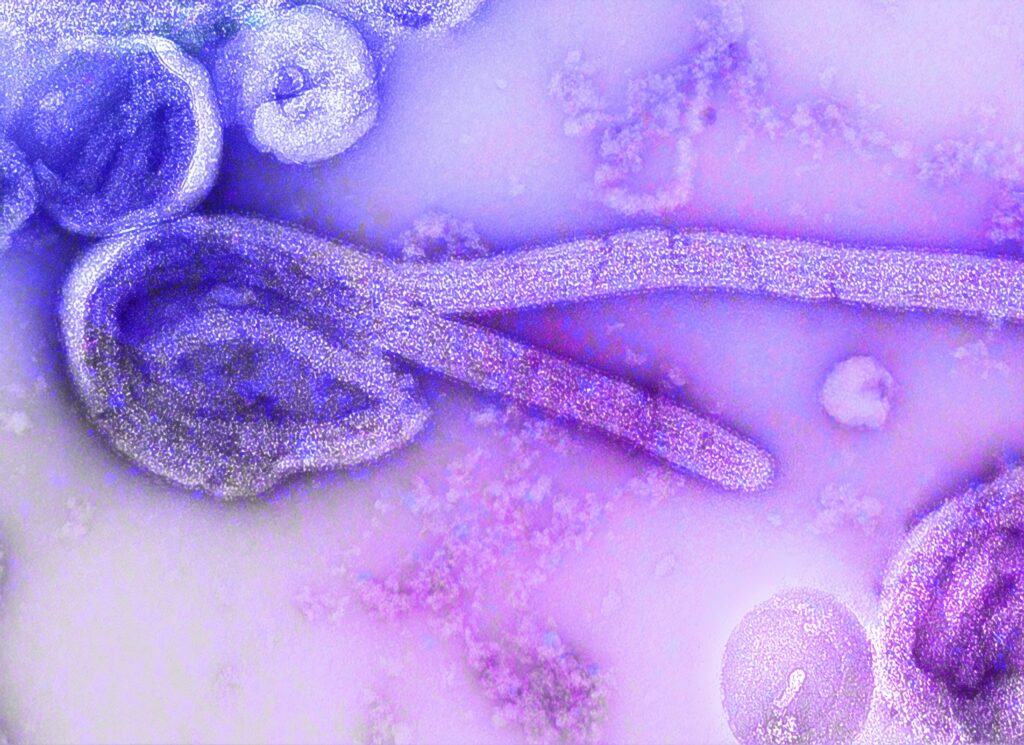
An intestinal parasite infection occurs when microscopic parasites enter the digestive system through contaminated food, water, or poor hygiene. Once inside, they interfere with normal digestion and may cause symptoms lasting days or even weeks.
Common parasites that infect humans
| Parasite | Common Source | Main Symptom |
| Cyclospora cayetanensis | Fresh produce | Watery diarrhea |
| Giardia lamblia | Untreated water | Bloating and diarrhea |
| Cryptosporidium | Pools and lakes | Persistent diarrhea |
| Roundworms | Soil and contaminated food | Abdominal pain |
Common Symptoms to Watch For
Symptoms usually develop within a few days of exposure, although the exact timeline depends on the parasite involved and the person’s immune system.
Digestive symptoms
- Frequent diarrhea
- Abdominal cramps
- Nausea
- Vomiting
- Gas and bloating
Whole-body symptoms
- Fatigue
- Loss of appetite
- Weight loss
- Mild fever
- Dehydration
People searching for cyclospora symptoms often focus only on diarrhea. However, ongoing fatigue, stomach cramps, and reduced appetite can also indicate a parasitic infection and should not be ignored.
What Causes These Infections?
Most infections begin after microscopic parasites enter the digestive tract through contaminated food, drinking water, or unwashed hands.

Common causes
- Drinking untreated water
- Eating contaminated produce
- Poor hand hygiene
- Undercooked food
- Swimming in contaminated water
Who has a higher risk?
Certain groups face a greater chance of infection because of exposure or weaker immunity.
- Young children
- Older adults
- Pregnant women
- Travelers
- Campers and hikers
- People with weakened immune systems
How Is an Intestinal Parasite Infection Diagnosed?
A healthcare provider usually confirms an intestinal parasite infection after reviewing symptoms, recent travel history, food exposure, and laboratory test results. Since several digestive illnesses share similar symptoms, testing helps identify the exact cause and guides the most effective treatment.
Tests that may be recommended
- Stool examination to detect parasites or eggs
- Stool antigen tests for specific parasites
- Polymerase Chain Reaction (PCR) testing to identify parasite DNA
- Blood tests in selected cases
- Endoscopy, although it is rarely required
Accurate testing is especially important because antibiotics used for bacterial infections may not work against parasites. A confirmed diagnosis helps avoid unnecessary medications and speeds up appropriate care.
How Is It Treated?
Treatment depends on the type of parasite, the severity of symptoms, and the person’s overall health. Many infections improve with prescription antiparasitic medication, while supportive care helps prevent dehydration and restores normal digestion.

Treatment may include
- Prescription antiparasitic medicines
- Oral rehydration solutions
- Adequate fluid intake
- Electrolyte replacement
- Temporary dietary adjustments
During an outbreak of cyclosporiasis, healthcare providers commonly prescribe trimethoprim-sulfamethoxazole (TMP-SMX) when Cyclospora infection is confirmed. Medication should always be taken exactly as prescribed, and self-medication should be avoided.
Important: Always complete the full course of treatment, even if symptoms begin improving within a few days.
Can an Intestinal Parasite Infection Cause Long-Term Problems?
Most people recover completely after receiving appropriate treatment. However, delayed diagnosis or untreated infections may occasionally lead to prolonged digestive problems, nutritional deficiencies, or repeated dehydration.

Possible complications include:
- Chronic diarrhea
- Malnutrition
- Vitamin deficiencies
- Weight loss
- Irritable bowel symptoms after infection
Prompt treatment reduces these risks and supports faster recovery.
Conclusion
Recent reports involving foodborne illnesses have highlighted the importance of recognizing digestive symptoms that should not be ignored. While not every case of diarrhea results from an intestinal parasite infection, persistent symptoms deserve proper medical evaluation because several parasites require specific treatment.
Good hygiene, safe food preparation, clean drinking water, and early medical care remain the most effective ways to reduce risk. Staying informed through trusted public health sources and seeking timely medical advice can help protect both individual and family health.
Frequently Asked Questions
1. How long does an intestinal parasite infection usually last?
The duration depends on the parasite involved and when treatment begins. Some infections improve within a few days, while others may continue for several weeks without appropriate medical care.
2. Are Cyclospora infections contagious?
Cyclospora rarely spreads directly from one person to another. Most infections occur after consuming contaminated food or water rather than through casual contact.
3. Can explosive diarrhea always mean a parasitic infection?
No. Explosive diarrhea can result from food poisoning, viral infections, bacterial illnesses, or certain digestive disorders. A medical evaluation is necessary to identify the exact cause.
4. Can an intestinal parasite infection go away without treatment?
Some mild infections may improve naturally, although others require prescription medication to eliminate the parasite completely. Delaying treatment may increase the risk of complications or prolonged symptoms.
5. How can the risk of intestinal parasite infection be reduced?
Washing fresh produce, drinking safe water, maintaining good hand hygiene, cooking food thoroughly, and following food safety recommendations during outbreaks can significantly lower the risk of infection.