
Burning during urination, pelvic pressure, and an urgent need to pee signal a urinary tract infection (UTI) that demands quick action. This guide delivers evidence-based UTI pain relief strategies, explains what causes UTIs, and shows you exactly which treatments work fastest according to clinical research.
What Is a UTI?
A urinary tract infection occurs when bacteria invade any part of your urinary system, including the kidneys, bladder, ureters, or urethra. Most infections target the lower urinary tract, specifically the bladder and urethra, causing uncomfortable symptoms that interfere with daily life.
Approximately 80-90% of UTIs result from Escherichia coli (E. coli), a bacterium that normally lives in your gastrointestinal tract but causes problems when it enters the urinary system.
Recognizing UTI Symptoms
UTI symptoms women experience typically appear suddenly and worsen without proper treatment. Understanding these warning signs helps you seek relief from a UTI before the infection spreads to your kidneys.
Common UTI Symptoms
The following are the common symptoms of UTI:
- Burning sensation when urinating that feels like fire passing through the urethra.
- Frequent urination with only small amounts of urine each time.
- Strong, persistent urge to urinate that doesn’t disappear after using the bathroom.
- Pelvic pain centred around the pubic bone and lower abdomen.
- Cloudy, dark, or bloody urine that may appear red, pink, or cola-colored.
- Foul-smelling urine with an unusually strong or unpleasant odor.
Research shows women report these physical symptoms alongside psychological distress and reduced quality of life during active infections.
Understanding UTI Causes

UTI causes trace back to bacteria entering the urinary tract through the urethra and multiplying rapidly in the bladder. Several factors increase your risk of developing these painful infections.
Primary Risk Factors
| Risk Factor | How It Increases UTI Risk |
| Female anatomy | Shorter urethra allows bacteria easier access to the bladder |
| Sexual activity | Intercourse pushes bacteria toward the urethral opening |
| Menopause | Decreased estrogen changes urinary tract bacteria balance |
| Urinary tract abnormalities | Structural issues prevent complete bladder emptying |
| Catheter use | Medical devices introduce bacteria directly into the bladder |
| Weakened immune system | Reduced ability to fight invading bacteria |
E. coli bacteria from your intestines can travel to the urinary tract after using the bathroom or handling contaminated products without proper handwashing.
UTI Antibiotics: The Gold Standard Treatment
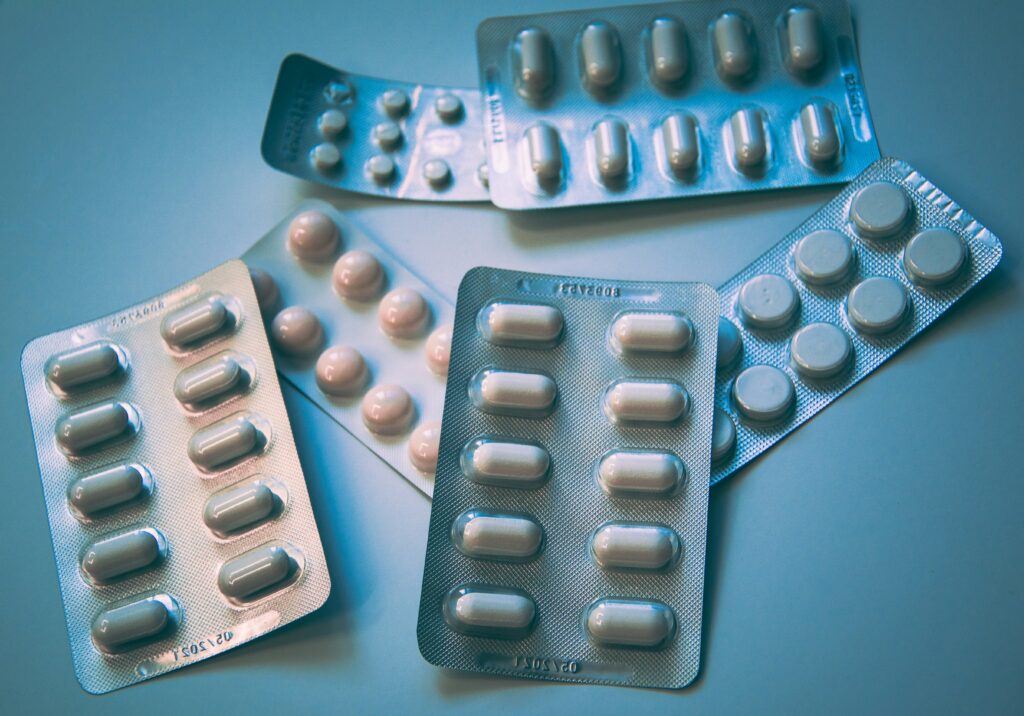
UTI antibiotics remain the most effective treatment for eliminating bacterial infections and preventing serious complications. Clinical guidelines emphasize starting appropriate antibiotics quickly to reduce symptom duration and infection severity.
First-Line Antibiotic Options
Healthcare providers typically prescribe one of these antibiotics for uncomplicated UTIs:
- Nitrofurantoin (Macrobid) – Taken twice daily for 5-7 days
- Trimethoprim-sulfamethoxazole (Bactrim, Septra) – Twice daily for 3 days
- Fosfomycin (Monurol) – Single-dose treatment option
- Cephalexin (Keflex) – Multiple daily doses for 7 days
Recent FDA guidance supports shorter antibiotic courses (5-7 days) for patients improving on effective therapy, reducing unnecessary medication exposure while maintaining treatment success.
Always complete your full antibiotic prescription even if symptoms improve within 24-48 hours. Stopping early allows surviving bacteria to multiply and potentially develop antibiotic resistance.
Urinary Pain Relief That Works
Urinary pain relief becomes your immediate priority while antibiotics begin eliminating the underlying infection. Several evidence-based strategies provide rapid symptom reduction during treatment.
Fast-Acting Pain Relief Options
- Phenazopyridine (AZO, Pyridium) – This over-the-counter medication numbs the urinary tract lining, providing burning relief within hours. Take it with meals for up to two days while antibiotics start working.
- Hydration therapy – Drinking 8-10 glasses of water daily flushes bacteria from your bladder and dilutes urine, reducing burning sensations during urination.
- Heat application – A warm heating pad placed on your lower abdomen relaxes bladder muscles and decreases pelvic pressure and discomfort.
- Avoid bladder irritants – Eliminate caffeine, alcohol, spicy foods, and artificial sweeteners that worsen urinary urgency and burning.
Home Measures for UTI Burning Relief

UTI burning relief extends beyond medications to include supportive home strategies that accelerate recovery and prevent recurrence. These complementary approaches work alongside prescribed antibiotics for comprehensive care.
Proven Home Remedies
- Cranberry products – Some studies suggest cranberry juice or supplements may prevent bacteria from adhering to bladder walls, though evidence remains mixed for treating active infections.
- Probiotics – Beneficial bacteria from yogurt or supplements help restore healthy urinary and vaginal flora after antibiotic treatment.
- Vitamin C – Increasing vitamin C intake makes urine more acidic, creating an environment less favorable for bacterial growth.
- Proper hygiene – Wipe front to back after using the bathroom to prevent bacteria from the anal region entering the urethra.
Prevention Strategies
- Urinate immediately after sexual intercourse to flush out potential bacteria
- Wear cotton underwear and loose-fitting clothing to keep the area dry
- Avoid potentially irritating feminine products like douches and powders
- Don’t hold urine for extended periods; empty your bladder regularly
When Urgent Care Is Needed

Seek immediate medical attention if you experience symptoms suggesting the infection has spread to your kidneys or bloodstream. Delaying treatment for severe UTIs can lead to serious complications requiring hospitalization.
Red Flag Symptoms
- High fever above 101°F (38.3°C) with chills and shaking
- Severe back or side pain below the ribs indicating kidney involvement
- Nausea and vomiting preventing oral medication intake
- Confusion or mental changes especially in older adults
- Blood in urine that appears bright red or tea-colored
- Symptoms worsening after 48 hours of antibiotic treatment
Kidney infections (pyelonephritis) require stronger antibiotics and sometimes intravenous treatment to prevent permanent kidney damage or sepsis.
Frequently Asked Questions
How quickly do UTI antibiotics work?
Most people feel symptom improvement within 24-48 hours of starting antibiotics, though complete bacterial elimination takes the full prescription course. Contact your doctor if symptoms don’t improve after two days of treatment.
Can UTIs go away without antibiotics?
Untreated UTIs rarely resolve on their own and can spread to the kidneys, causing serious complications. Antibiotics remain the only proven cure for bacterial urinary tract infections.
What’s the difference between UTI symptoms women experience versus men?
Women experience UTIs more frequently due to shorter urethras, while men’s UTIs often indicate underlying prostate issues or urinary tract abnormalities requiring different evaluation.
Are home remedies enough for UTI pain relief?
Home remedies provide temporary urinary pain relief but cannot eliminate the bacterial infection causing your symptoms. Always combine supportive care with prescribed antibiotics for complete treatment.
When should I see a doctor for UTI symptoms?
Seek medical care immediately if you experience UTI symptoms, especially with fever, back pain, or blood in urine. Early antibiotic treatment prevents complications and provides faster relief from UTI discomfort.
For more quick relief guides, visit our Quick Relief Guidesor explore our homepage for comprehensive health information.