Bloodshot eyes demand quick answers without wading through medical jargon or unnecessary backstory. This guide delivers proven causes, the right redness-relief eye drops, and clear emergency signs that require immediate doctor attention.
Causes of Red Eyes
Conjunctivitis affects millions of Americans annually, with viral cases peaking during cold and flu seasons. Allergic conjunctivitis strikes up to 40% of the population during high pollen months, creating widespread redness and discomfort.
Common triggers include:
– Viral or bacterial infections spreading through direct contact
– Seasonal allergens like pollen, mold, and pet dander
– Dry eye syndrome from screen overuse or contact lens wear
– Environmental irritants including smoke, chlorine, and pollution
– Blepharitis causing eyelid inflammation and crusty debris
Subconjunctival hemorrhage creates dramatic bright red patches from burst surface blood vessels. These look alarming but typically resolve without treatment within two weeks. (source)
Contact lens wearers face higher risks of microbial keratitis, a serious corneal infection requiring urgent care. Improper lens hygiene or overnight wear dramatically increases infection probability.
Allergy vs Pink Eye: Know the Difference
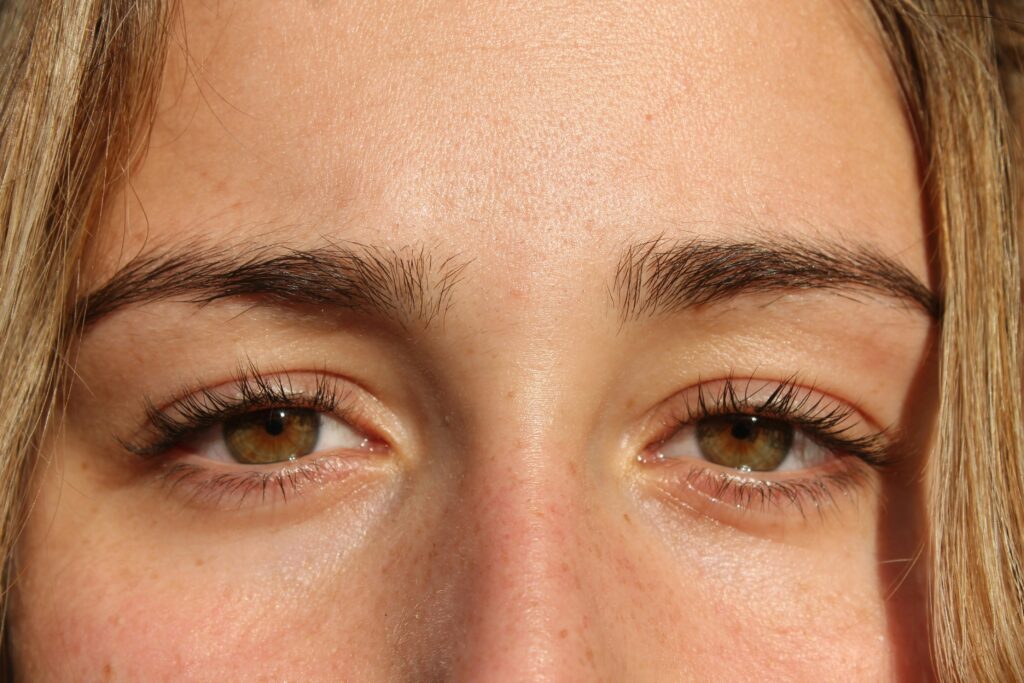
You need accurate identification before choosing treatment, since allergies and infections require completely different approaches. Allergic conjunctivitis affects both eyes simultaneously with intense itching and clear watery discharge.
Infectious conjunctivitis often starts in one eye before spreading, featuring thick yellow or green discharge that crusts overnight. Bacterial cases cause eyelids to stick together upon waking, while viral cases accompany cold symptoms.
| Feature | Allergic Conjunctivitis | Viral Pink Eye | Bacterial Pink Eye |
| Both eyes? | Both eyes | Often both | Usually starts in one |
| Discharge | Discharge | Watery, stringy | Thick, yellow/green |
| Itching | Intense, constant | Mild to moderate | Mild |
| Contagious? | No | Highly contagious | Contagious |
| Other symptoms | Sneezing, runny nose | Cold, sore throat | Fever, swollen nodes |
Allergic cases respond to antihistamines and avoidance strategies, while bacterial infections need prescription antibiotic drops. Viral pink eye requires supportive care only, since antibiotics provide no benefit.
Best Eye Drops for Redness Relief
Over-the-counter redness relief eye drops work by constricting dilated blood vessels on the eye surface. These provide rapid cosmetic improvement but carry risks with prolonged daily use beyond three days.
Top pharmacist-recommended options include:
- Tetrahydrozoline (Visine, Clear Eyes redness relief): Fast-acting, lasts 4-6 hours, avoid long-term use
- Naphazoline (Naphcon-A): Combines decongestant with antihistamine for allergy-related redness
- Ketotifen (Zaditor, Alaway): Treats underlying allergy cause, safe for extended use
- Olopatadine (Pataday): Once-daily dosing, strong itch suppression with redness reduction
- Artificial tears (preservative-free): Flush irritants, soothe dryness, use hourly without risk
Avoid redness-relief drops containing tetrahydrozoline for more than three consecutive days. These create rebound redness and worsen symptoms long-term through dependency cycles.
Apply one drop per eye, wait five minutes between different medications, and remove contact lenses before instilling drops. Preservative-free formulations work best for frequent users requiring hourly application. (Source)
Artificial Tears: The Safe Daily Option
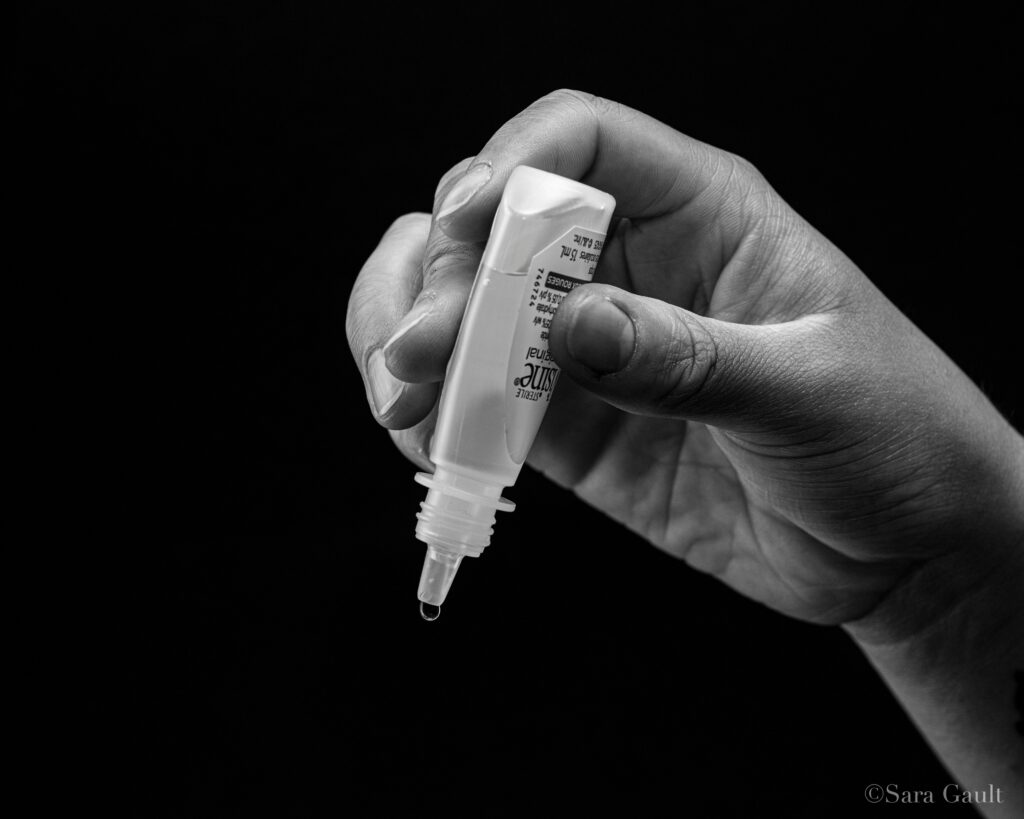
Preservative-free artificial tears provide superior symptom relief compared to preserved lubricants for chronic dry eye sufferers. Studies show significant improvement in epithelial thickness and symptom scores with preservative-free formulations.
These lubricants work by:
– Replenishing natural tear film components lost to evaporation
– Flushing allergens, dust, and irritants from the eye surface
– Creating a protective barrier against environmental stressors
– Supporting corneal healing after minor abrasions or procedures
Trehalose-containing artificial tears demonstrate strong evidence for safe and effective dry eye disease treatment. Hyaluronic acid combinations provide extended moisture retention throughout the day.
Contact lens wearers should choose rewetting drops specifically formulated for lens compatibility. Soft lens users require preservative-free options to prevent lens damage and eye irritation. (Source)
What Not to Do With Red Eyes

Rubbing red eyes worsens inflammation by releasing more histamine and spreading infectious discharge. This habit delays healing and increases corneal abrasion risk significantly.
Avoid these common mistakes:
- Using redness drops longer than 3 days: Creates rebound redness dependency
- Sharing towels or pillows: Spreads infectious conjunctivitis to others
- Wearing contacts during infection: Traps bacteria against cornea, worsening ulcers
- Applying expired eye drops: Introduces contamination and reduces effectiveness
- Ignoring worsening symptoms: Delays treatment for serious conditions like glaucoma
Never use leftover prescription antibiotic drops from previous infections without doctor approval. Inappropriate antibiotic use creates resistance and masks underlying conditions requiring different treatment.
Sleeping in contact lenses during red eye episodes dramatically increases microbial keratitis risk. Remove lenses immediately and switch to glasses until symptoms resolve completely. (Source)
Emergency Signs: When Redness Needs Immediate Attention
Seek immediate medical care if red eyes accompany sudden vision changes, severe pain, or light sensitivity. These symptoms signal acute angle-closure glaucoma, uveitis, or corneal ulcers requiring emergency treatment.
Contact an eye doctor urgently when:
- Vision becomes blurry, or you see halos around lights suddenly
- Eye pain becomes severe with headache, nausea, or vomiting
- Red eye follows chemical exposure, trauma, or embedded foreign object
- One pupil appears larger than the other with dark red discoloration
- Cannot open or keep the eye open due to swelling or pain
Emergency departments handle penetrating injuries, chemical burns, and sudden vision loss cases immediately. Call emergency services for suspected globe penetration or dangerous liquid exposure.
Contact lens wearers with painful red eyes need same-day evaluation to rule out microbial keratitis. Corneal ulcers scar rapidly without prompt antibiotic treatment, potentially causing permanent vision loss.
FAQs
How long does viral pink eye last without treatment?
Viral conjunctivitis typically resolves within 7 to 14 days without antibiotic treatment. Supportive care with artificial tears and cool compresses manages symptoms during recovery.
Can allergy eye drops be used daily for extended periods?
Yes, antihistamine drops like ketotifen and olopatadine are safe for long-term daily use. Avoid decongestant-only redness drops beyond three consecutive days to prevent rebound effects.
When should children see a doctor for red eyes?
Children under 2 years need evaluation for any red eye with discharge or persistent symptoms. Older children require care if redness lasts beyond 48 hours or affects vision.
Do artificial tears help with infectious conjunctivitis?
Preservative-free artificial tears provide comfort and flush discharge but do not treat the infection itself. Bacterial cases need prescription antibiotics, while viral cases require supportive care only.
What causes bright red patches in the white of the eye?
Subconjunctival hemorrhage creates dramatic red patches from burst surface blood vessels without pain. These resolve spontaneously within 2 weeks and need no treatment unless accompanied by trauma.