Author: Dr. Nipunika Shrivastava
Editor & SEO Strategist: Ananya Roy
A recent Ebola-related health alert in France has brought the disease back into international headlines. While health authorities continue to stress that the risk to the general public remains low, the development highlights why Ebola remains a serious global health concern in 2026. Understanding what is happening, how Ebola spreads, and what public health experts are doing can help separate facts from fear.
What Is Happening in France?
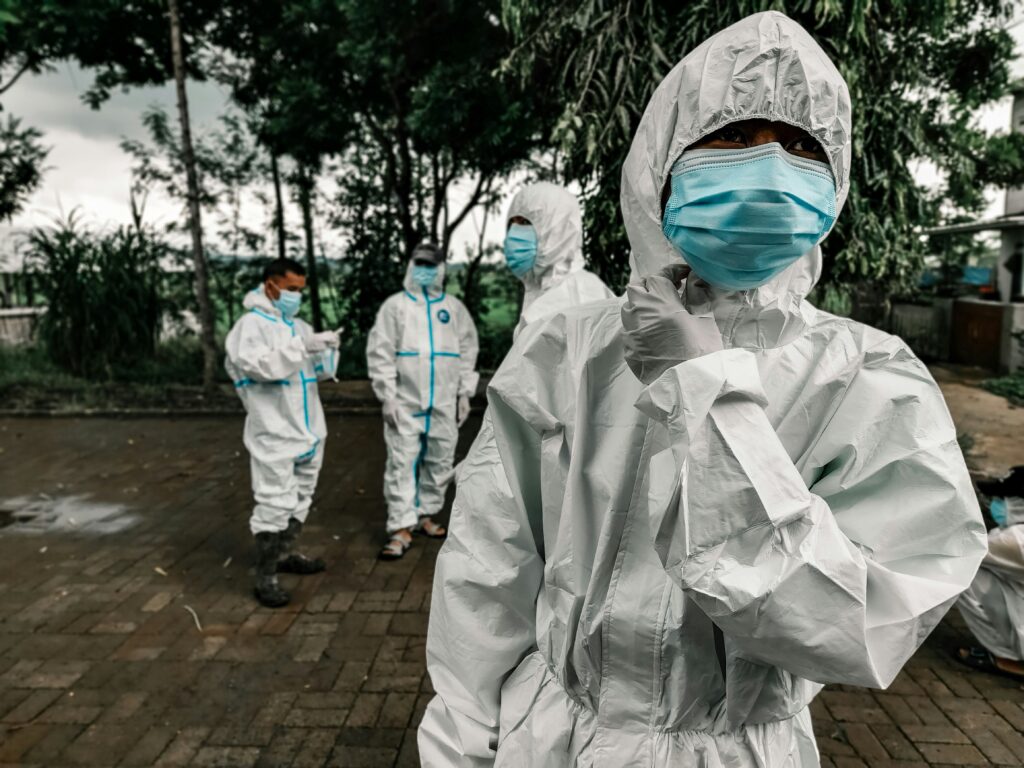
Interest in Ebola cases France increased after reports emerged about a healthcare worker returning from an Ebola-affected region in Central Africa. French authorities quickly activated surveillance, isolation, and contact-tracing measures to reduce the risk of transmission.
The incident does not indicate widespread community transmission. Instead, it demonstrates how modern public health systems identify potential threats early and respond before they escalate. For health experts, the event serves as a reminder that infectious diseases remain a global challenge in an increasingly connected world.
What Is Ebola?
Many people searching for Ebola cases France are also asking: what is Ebola?
Ebola is a severe viral disease caused by the Ebola virus, a member of the Filoviridae family. The disease can cause serious illness affecting multiple organs and may become life-threatening without prompt medical care.
Although Ebola outbreaks are relatively rare compared with many infectious diseases, the virus attracts global attention because of its high fatality rate and potential to spread rapidly when public health measures are delayed.
What Causes Ebola?
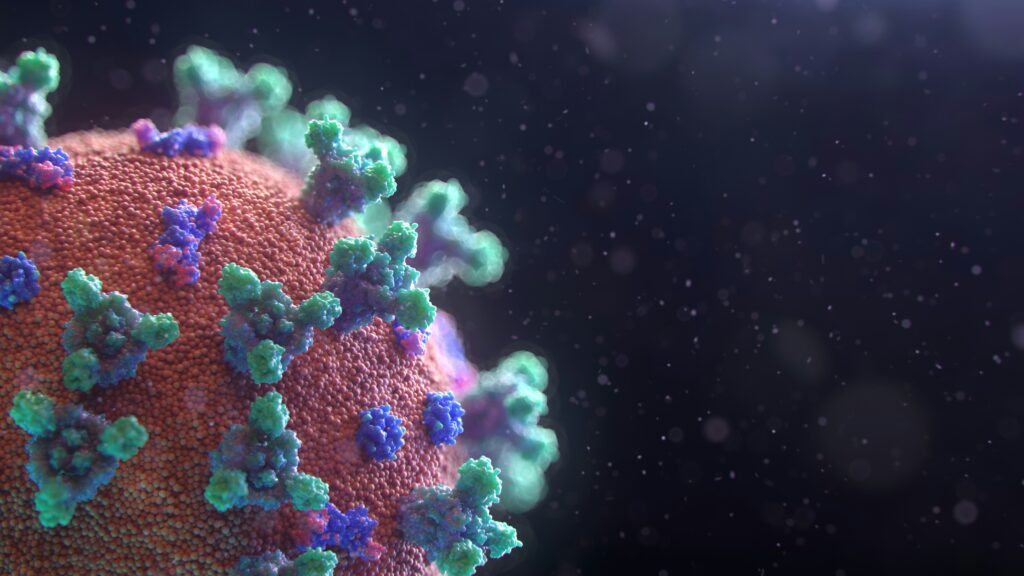
The direct cause of Ebola is infection with the Ebola virus.
Scientists believe fruit bats are the natural reservoir of the virus. Human infections may begin after contact with infected wildlife, animal products, or contaminated materials. Once the virus enters the human population, it can spread through direct contact with infected bodily fluids.
Understanding the cause of Ebola is important because prevention depends on reducing exposure and interrupting transmission chains as quickly as possible.
Why Is Ebola Back in the Headlines?
The attention surrounding Ebola cases France is closely linked to the ongoing Ebola outbreak affecting parts of Central Africa.
Health authorities have reported rising case numbers in affected regions, prompting increased monitoring by governments and international agencies. The current Ebola 2026 situation has raised concerns because the outbreak involves the Bundibugyo strain, for which no widely approved vaccine currently exists.
The developing Ebola outbreak 2026 has also highlighted ongoing challenges related to healthcare access, surveillance systems, and outbreak containment in affected areas.
Major Ebola Outbreaks Through History
The current discussion about Ebola cases France becomes easier to understand when viewed alongside previous outbreaks.
| Outbreak | Region | Deaths | Approximate Time to Containment |
| 1976 First Recorded Outbreak | DRC & Sudan | 431 | Several months |
| 1995 Kikwit Outbreak | DRC | 250 | About 6 months |
| 2000–2001 Uganda Outbreak | Uganda | 224 | About 5 months |
| 2007 Bundibugyo Outbreak | Uganda | 37 | About 4 months |
| 2014–2016 West Africa Outbreak | Guinea, Liberia, Sierra Leone | 11,000+ | More than 2 years |
| 2018–2020 DRC Outbreak | DRC | 2,280+ | Nearly 2 years |
| 2022 Uganda Outbreak | Uganda | 77 | About 4 months |
| 2026 Central Africa Outbreak | DRC & Uganda | Ongoing | Not yet contained |
The table shows that most outbreaks are eventually controlled. However, delayed detection and limited healthcare resources can significantly prolong containment efforts.
Ebola Symptoms
Recognizing Ebola symptoms early can improve outcomes and support faster outbreak control.
Common symptoms include:
- Fever
- Severe fatigue
- Muscle pain
- Headache
- Weakness
- Vomiting
- Diarrhea
In severe cases, patients may experience bleeding, organ dysfunction, and other life-threatening complications.
Many people search for quick relief when symptoms appear. However, Ebola requires immediate medical evaluation rather than self-treatment at home.
How Does Ebola Spread?
Concerns about Ebola cases France often lead to questions about transmission.
Ebola spreads through direct contact with bodily fluids from an infected individual or contaminated surfaces and equipment. Blood, vomit, saliva, urine, and other bodily fluids can carry the virus.
Unlike some respiratory illnesses, Ebola does not spread as easily through casual everyday interactions. Nevertheless, close contact can create significant transmission risks, particularly in healthcare and caregiving settings.
Prevention Tips to Reduce Ebola Risk
Although Ebola remains a serious disease, effective prevention measures exist.
Key prevention strategies include:
- Washing hands regularly
- Avoiding contact with bodily fluids from infected individuals
- Following public health advisories
- Supporting vaccination efforts where available
- Using protective equipment in healthcare settings
- Avoiding contact with sick or dead wild animals in affected regions
There is no home remedy that provides quick relief from Ebola infection. Prevention and early medical care remain the most effective protective measures.
The Global Response: WHO and Beyond
The WHO Ebola response continues to play a central role in outbreak management.
The World Health Organization works with governments, laboratories, and healthcare systems to improve surveillance, coordinate emergency responses, and strengthen outbreak containment efforts.
The current 2026 Ebola outbreak has also accelerated research into new vaccines, treatments, and diagnostic tools. Scientists continue to study emerging strains and evaluate strategies that may improve future response efforts.
Why Ebola in Africa Matters to the World
Historically, Ebola Africa outbreaks have occurred primarily in Central and West Africa. However, international travel means infectious diseases can cross borders quickly.
The discussion around the Ebola cases in France illustrates why disease surveillance cannot be limited to a single country. Supporting outbreak control efforts in affected regions protects communities globally and reduces the likelihood of wider spread.
Public health experts frequently emphasize that addressing Ebola Africa outbreaks at their source remains one of the most effective forms of prevention.
What About the United States?
Interest in Ebola US preparedness often increases whenever international cases are reported.
The United States continues to maintain surveillance systems, laboratory capacity, and emergency response plans designed to identify and manage imported cases. Similar approaches are used across Europe and many other regions.
The broader lesson from Ebola preparedness efforts in the US is that global cooperation remains essential for controlling infectious disease threats.
Why Building Health Resilience Matters in an Uncertain World
Modern health threats extend beyond seasonal illnesses. Emerging infections, environmental changes, international conflicts, and concerns about biological threats all highlight the importance of maintaining strong overall health.
A healthy lifestyle cannot prevent Ebola or provide quick relief after infection. However, a healthy body is generally better equipped to support normal immune function, recover from illness, and cope with physical stress.
Simple habits continue to matter:
- Eating nutritious meals
- Staying physically active
- Getting adequate sleep
- Managing stress effectively
- Avoiding tobacco and harmful substances
At Dawakhaana, the goal is not only to help people find quick relief when symptoms arise but also to encourage long-term health practices that support overall well-being.
What Comes Next?
The future of Ebola cases France will largely depend on how effectively the current outbreak is controlled in affected regions.
Researchers continue to develop new vaccines and treatments, while governments strengthen surveillance and preparedness systems. Although concerns surrounding the Ebola outbreak reports are understandable, modern public health tools are far stronger than they were during previous decades.
Continued vigilance, international cooperation, and scientific innovation will remain critical in reducing the impact of future outbreaks.
When Should You See a Doctor?
Do not wait for quick relief if Ebola exposure is possible.
Seek immediate medical attention if symptoms develop after:
- Travel to an outbreak-affected region
- Contact with a suspected Ebola patient
- Exposure to infected bodily fluids
- Healthcare or humanitarian work in affected areas
Early diagnosis can improve patient care and help prevent additional transmission.
FAQs
Is Ebola spreading widely in France?
No. Current reports involve limited cases under close public health monitoring. Authorities have implemented precautionary measures to reduce transmission risks.
Can Ebola spread through the air?
Ebola primarily spreads through direct contact with infected bodily fluids rather than routine airborne transmission.
Is there a vaccine for Ebola?
Vaccines exist for certain Ebola strains. Researchers continue working on vaccines and treatments for additional strains involved in recent outbreaks.
Why is Ebola making headlines again?
The ongoing Ebola outbreak 2026 in Central Africa and international monitoring efforts have renewed global attention on the disease.
Medical Disclaimer
This article is for educational purposes only and does not replace professional medical advice, diagnosis, or treatment. Seek immediate medical attention if Ebola exposure or symptoms are suspected.