
Burning, gritty eyes demand immediate solutions without wading through medical textbooks or unnecessary background. This guide delivers proven dry eye relief strategies, the best dry eye drops, and treatment options backed by clinical studies.
Symptoms: Recognize Dry Eye Disease Early
Dry eye disease affects an estimated 16 million diagnosed Americans, with 30 to 49 million additional cases remaining undiagnosed nationwide. Over 90% of visual display terminal workers report dry eye symptoms from prolonged screen exposure daily.
Common symptoms include:
- Persistent burning, stinging, or gritty sensations like sand in eyes
- Blurred vision that improves after blinking several times
- Redness and inflammation of the conjunctiva surface
- Light sensitivity making normal indoor lighting uncomfortable
- Reflex watery eyes as the body overcompensates for dryness
- Difficulty wearing contact lenses beyond a few hours
Women experience higher prevalence rates due to hormonal changes during menopause and pregnancy. Adults over 50 face increased risk as tear production naturally decreases with advancing age.
Contact lens wearers report significantly worse symptoms, especially with soft lenses absorbing tear film components. Extended screen time exceeding seven hours daily doubles dry eye disease susceptibility according to recent studies.
Causes: Why Your Eyes Run Dry
Dry eye disease stems from either insufficient tear production or excessive tear evaporation from the ocular surface. Meibomian gland dysfunction causes evaporative dry eye in up to 86% of all diagnosed cases.
Primary risk factors include:
- Digital eye strain: Screen use reduces blink frequency by 60%, accelerating tear evaporation
- Contact lenses: Disrupt tear film stability and thin the protective lipid layer
- Medications: Antihistamines, antidepressants, and blood pressure drugs reduce tear production
- Environmental factors: Low humidity, air conditioning, wind, and pollution destabilize tears
- Systemic diseases: Diabetes, thyroid dysfunction, and autoimmune conditions like Sjögren’s syndrome
Age-related hormonal changes decrease tear gland function, particularly in postmenopausal women. Vitamin A deficiency and omega-3 fatty acid insufficiency compromise tear film quality significantly.
Prolonged computer use decreases tear production over years, independent of age and sex effects. Children with dry eye disease report more screen time than unaffected control groups in recent studies.
Also Read: Quick Relief for Allergic Conjunctivitis: Causes, Treatment & Best Eye Drops
Artificial Tears: First-Line Treatment That Works
Artificial tears serve as the mainstay treatment for dry eye disease management across all severity levels. These lubricants replenish tear film components, flush irritants, and protect the corneal surface effectively.
Studies show tear film stability improves following single drops of CMC (carboxymethylcellulose), SH (sodium hyaluronate), and PEG (polyethylene glycol) formulations. No significant short-term differences exist between these three major artificial tear types.
Preservative-free artificial tears demonstrate superiority over preserved lubricants for chronic dry eye sufferers. Research shows significant improvement in epithelial thickness and symptom scores with preservative-free formulations.
GenTeal Gel performed best for tear meniscus height in a comprehensive ARVO study comparing 13 artificial tears. Systane Ultra, saline, and Refresh Relieva won for NIKBUT (non-invasive keratograph break-up time) measurements.
Best Eye Drops: Choose the Right Formula
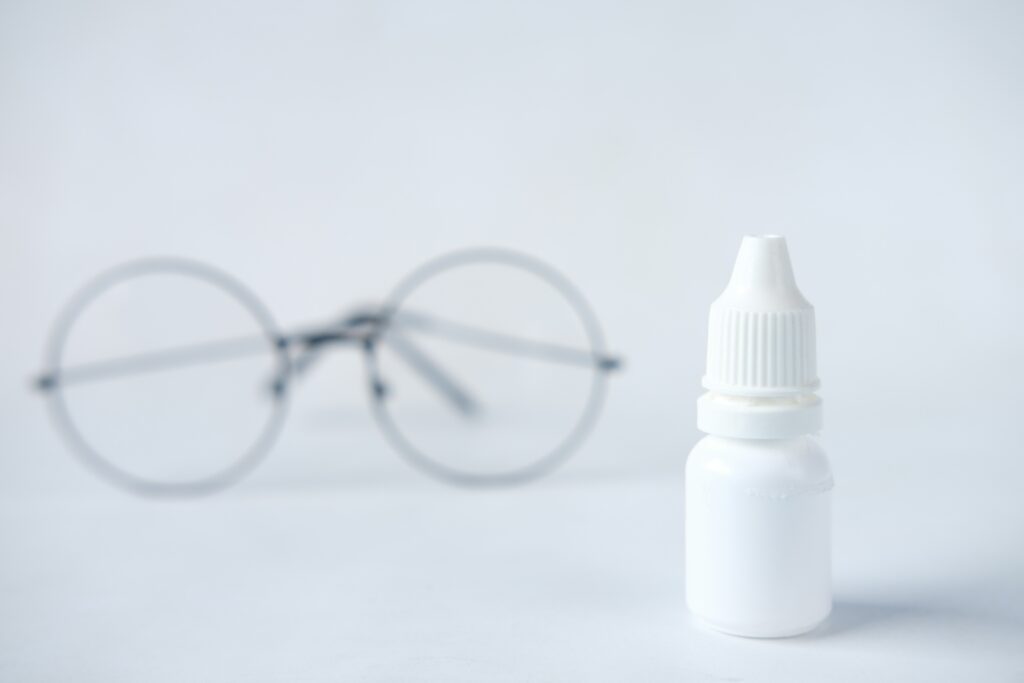
Over-the-counter options provide immediate symptom relief while prescription treatments address underlying inflammation causes. Selecting the best dry eye drops depends on your specific dry eye subtype and severity level.
Top-rated formulations include:
- Systane Ultra: PEG-based formula with excellent tear film stability, use 4-6 times daily
- Refresh Relieva: Hyaluronic acid provides extended moisture retention throughout the day
- GenTeal Gel: Thicker consistency for nighttime use or severe dryness episodes
- TheraTears: Balanced electrolyte formula mimics natural tear composition closely
- Retaine MGD: Specifically designed for meibomian gland dysfunction with lipid supplements
Apply one drop per eye, wait five minutes between different medications for maximum absorption. Remove contact lenses before instilling drops and reinsert after 15 minutes for safety.
Preservative-free eye drops work best for frequent users requiring hourly application throughout the day. Single-use vials prevent contamination during multiple daily dosing schedules.
Home Remedies: Boost Treatment Effectiveness
Warm compresses improve meibomian gland function by melting thickened oils blocking gland openings. Apply a clean warm cloth for 10 minutes twice daily to enhance natural oil secretion.
Omega-3 fatty acid supplements from fish oil or flaxseed significantly reduce ocular surface inflammation. Clinical trials show symptom improvement within 3 months of consistent daily supplementation.
Implement these additional strategies
Follow the 20-20-20 rule: Every 20 minutes, look 20 feet away for 20 seconds
- Use humidifiers: Add moisture to dry indoor air, especially during winter heating seasons
- Blink consciously: Complete blinks spread tears evenly across the entire ocular surface
- Limit screen time: Reduce daily exposure below 7 hours to prevent symptom escalation
- Stay hydrated: Drink adequate water to support natural tear production mechanisms
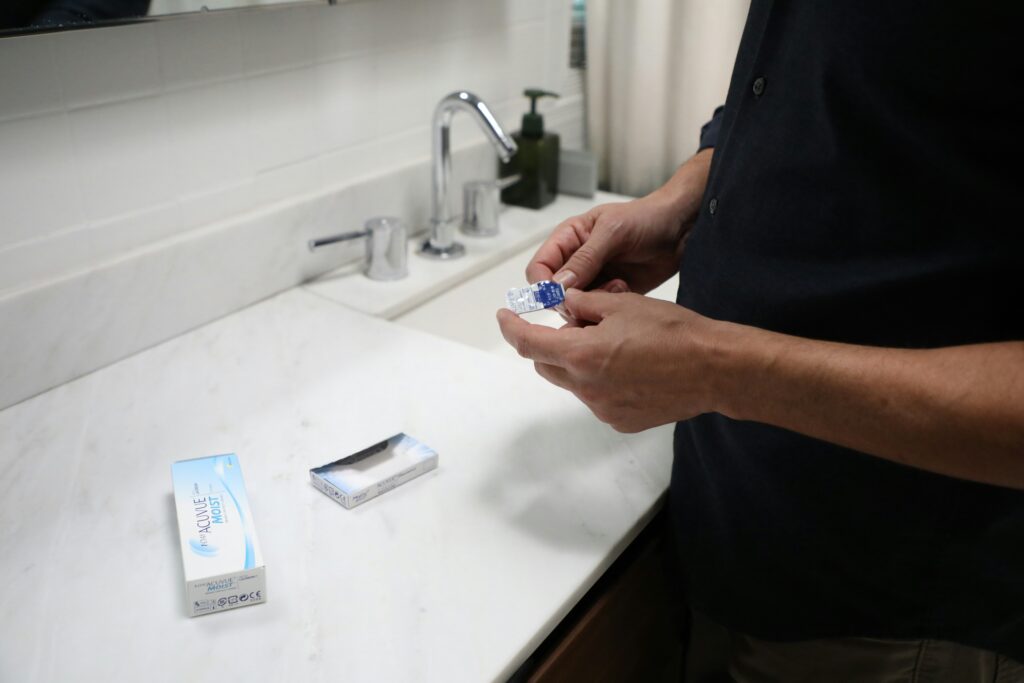
Contact lens wearers should switch to daily disposables during dry eye flare-ups. Consider glasses for extended computer work to reduce lens-related dryness completely. (Source)
Prescription Treatments: When OTC Fails
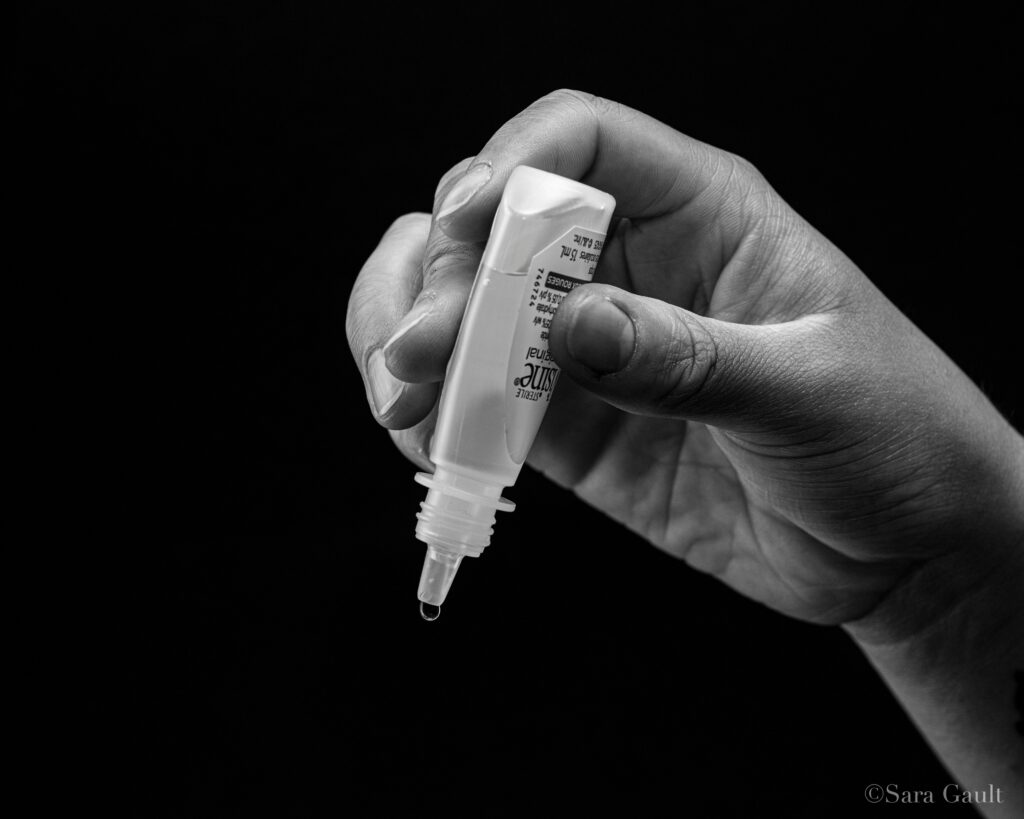
Prescription eye drops for dry eyes target chronic inflammation driving the disease process beneath the surface. These medications require consistent use for weeks to months before achieving full therapeutic benefits.
FDA-approved options include:
- Restasis (cyclosporine 0.05%): Original prescription drop, reduces T-cell inflammation over 3-6 months
- Cequa (cyclosporine 0.09%): Higher concentration with better penetration, same 3-6 month timeline
- Xiidra (lifitegrast 5%): Different inflammatory pathway, may show improvement within 2-12
- Miebo (perfluorohexyloctane): Targets evaporative component, works on lipid layer deficiency
- Tyrvaya (varenicline nasal spray): Stimulates natural tear production through nasal pathway
Xiidra demonstrates faster onset than cyclosporine-based drops, with some patients reporting improvement within 2 weeks. Most patients achieve greatest benefit by 12 weeks of consistent twice-daily use.
A 2024 network meta-analysis found cyclosporine and lifitegrast demonstrating comparable efficacy with similar tolerability profiles. Discuss switching if no improvement appears after 3 months on initial prescription therapy.
Insurance coverage varies significantly, with Restasis offering generic access at lower cost tiers. Xiidra and Cequa typically occupy higher cost tiers requiring prior authorization approval.
Also read: Quick Eye Allergy Relief: Home Remedies, Eye Drops & When to See a Doctor
FAQs
How long do artificial tears take to work for dry eyes?
Artificial tears provide immediate temporary relief within minutes of application. However, consistent use over 2-4 weeks improves baseline tear film stability and reduces symptom frequency.
Can I use preservative-free drops with contact lenses?
Yes, preservative-free eye drops are safe for contact lens wearers and often recommended. Remove lenses before applying drops and reinsert after 15 minutes for optimal safety.
When should I see a doctor for dry eye symptoms?
Seek medical evaluation if symptoms persist beyond 2 weeks despite regular artificial tear use. Immediate care is needed for severe pain, vision changes, or light sensitivity.
Do omega-3 supplements really help dry eye disease?
Yes, studies show omega-3 fatty acids reduce ocular surface inflammation within 3 months. Daily doses of 1000- 2000 mg EPA/DHA provide measurable symptom improvement.
Can dry eye disease be cured or only managed?
Dry eye disease typically requires ongoing management rather than offering a complete permanent cure. Most patients achieve excellent control with proper treatment combinations and lifestyle modifications. Burning, gritty eyes demand immediate solutions without wading through medical textbooks or unnecessary background. This guide delivers proven dry eye relief strategies, the best dry eye drops, and treatment options backed by clinical studies.