
When a migraine strikes, every minute counts. Acting fast with the right steps can shorten the attack and reduce suffering. This guide cuts through the noise to show you what actually works for quick migraine relief, backed by clinical research and medical guidelines.
What Is a Migraine?
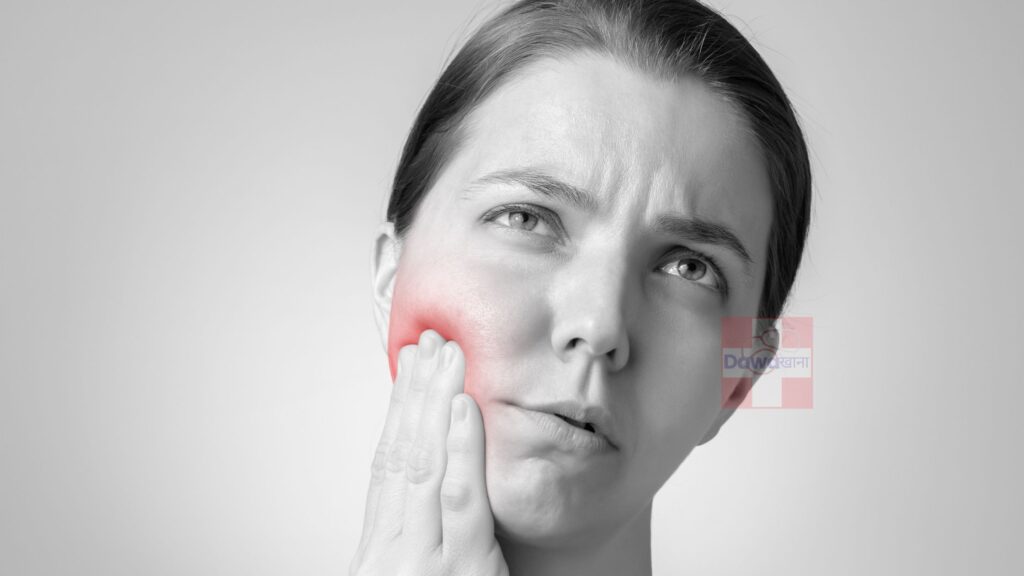
A migraine is not just a bad headache. It is a neurological disorder that causes intense, throbbing pain, often on one side of the head. Many people also experience nausea, vomiting, and extreme sensitivity to light or sound.
Migraines happen due to changes in brain activity and blood flow. Certain triggers set off a chain reaction in the nervous system. Understanding this helps you choose the right treatment quickly.
Migraine vs. Regular Headache

Not all head pain is a migraine. Knowing the difference helps you act faster and avoid the wrong remedies.
| Feature | Migraine | Regular Headache |
| Pain Type | Throbbing or pulsating | Dull or pressure-like |
| Location | Often one side | Both sides or whole head |
| Duration | 4 to 72 hours | 30 minutes to a few hours |
| Other Symptoms | Nausea, light/sound sensitivity, aura | Rarely has extra symptoms |
| Activity Impact | Makes daily tasks hard | Usually manageable |
Migraines need specific treatment. Regular headaches often respond to rest and simple painkillers.
Quick Relief at Home

You can take several steps at home to ease a migraine attack. These methods work best when started early.
Cold Therapy
Apply a cold pack to your forehead or the base of your skull. This causes blood vessels to narrow and reduces pain signals. Research shows cold therapy can cut pain intensity by 30 to 50 percent within 15 to 30 minutes.
Dark, Quiet Room
Rest in a darkened, quiet space for at least 30 minutes. This reduces sensory overload that worsens migraine pain. Many people feel significant relief after this simple step.
Hydration
Drink 16 to 20 ounces of water right away. Dehydration can trigger or worsen migraines. Keep sipping water steadily throughout the day.
Peppermint Oil
Dilute peppermint oil with a carrier oil and massage it onto your temples. Clinical trials show this can reduce pain in mild-to-moderate attacks. The cooling sensation also provides soothing relief.
Ginger
Take 250 mg of powdered ginger at the start of symptoms. A randomized trial found ginger reduced headache severity as effectively as sumatriptan in some patients. About 64 percent of users saw significant relief within two hours.
Over-the-Counter (OTC) Medicines
OTC pain relievers work well for mild to moderate migraines. Take them as soon as you feel symptoms starting.
- Ibuprofen: Reduces inflammation and pain. Works best when taken early.
- Naproxen: Longer-lasting relief than ibuprofen for some people.
- Aspirin: Effective for many, especially combined with caffeine.
- Acetaminophen (Paracetamol): Gentle on the stomach but may be less effective for severe migraines.
Guidelines recommend NSAIDs like ibuprofen and naproxen for mild to moderate attacks. Combining an OTC pain reliever with caffeine can boost effectiveness.
Prescription Treatment Options

When OTC medicines fail, prescription drugs can provide stronger relief. Doctors often recommend these for moderate to severe migraines.
Triptans
Triptans like sumatriptan and rizatriptan target migraine pathways in the brain. They work best when taken early in the attack. Studies show they reduce pain and other symptoms in most patients.
CGRP Inhibitors
Calcitonin gene-related peptide (CGRP) inhibitors are newer migraine treatments. They block a protein involved in migraine pain. These drugs help people who do not respond to triptans.
Anti-Nausea Medicines
Medications like metoclopramide reduce nausea and help painkillers work better. Doctors often prescribe them alongside triptans for severe attacks.
Common Migraine Triggers

Knowing your triggers helps you avoid future attacks. Many people find certain foods, habits, or environments set off migraines.
- Caffeine: Too much or sudden withdrawal can trigger migraines.
- Alcohol: Red wine, beer, and spirits are common triggers.
- Aged Cheeses: Cheddar, parmesan, and blue cheese contain tyramine.
- Processed Meats: Cold cuts and hot dogs have nitrates that may cause attacks.
- Artificial Sweeteners: Aspartame in diet sodas can be a trigger.
- Chocolate: Affects some people but not all.
- Citrus Fruits: Oranges, lemons, and grapefruits may cause issues.
- Nuts and Seeds: Peanuts, almonds, and sunflower seeds can trigger attacks.
- Dairy: Yogurt and sour cream contain tyramine for some.
What to Avoid During a Migraine
Certain actions can make a migraine worse. Avoid these to prevent prolonging your pain.
- Bright Lights: Stay away from screens and harsh lighting.
- Strong Smells: Perfumes, smoke, and chemicals can worsen symptoms.
- Physical Strain: Heavy exercise or lifting can increase pain.
- Skipping Meals: Low blood sugar can trigger or worsen attacks.
- Dehydration: Not drinking enough water makes symptoms worse.
Rest and gentle care work better than pushing through the pain.
When Migraine Needs Medical Attention
Most migraines improve with home care and medicines. However, some situations need urgent medical help.
Seek immediate care if you experience:
- Sudden, severe headache unlike any before
- Headache with fever, stiff neck, or confusion
- Weakness, numbness, or trouble speaking
- Headache after a head injury
- New headaches after age 50
These symptoms could signal a serious condition needing emergency treatment.
FAQs
1. How fast can I get migraine relief?
Acting within the first 20 minutes gives the best results. Cold therapy, hydration, and OTC medicines often work within 30 to 60 minutes.
2. Can ginger replace prescription migraine medicine?
Ginger helps some people with mild attacks but is not a full replacement. It works best alongside other treatments for moderate to severe migraines.
3. Why do migraines last so long?
Migraines involve complex brain and nerve changes that take time to resolve. Without treatment, attacks can last 4 to 72 hours.
4. Are triptans safe for everyone?
Triptans are safe for most but not for people with heart disease or uncontrolled high blood pressure. Always consult a doctor before starting them.
5. When should I see a doctor for migraines?
See a doctor if migraines happen more than twice a month or disrupt daily life. Urgent care is needed for sudden, severe, or unusual headaches.