
Menstrual pain doesn’t have to mean canceling plans every month. Heat therapy, targeted movement, specific yoga poses, and a handful of remedies backed by clinical research can calm cramping fast. This guide breaks down effective, science-supported options for period cramps relief, covering home remedies, exercises, and OTC (over-the-counter) choices available across the USA.
Why Cramps Happen
During a period, the uterus contracts to shed its lining, a process triggered by hormone-like compounds called prostaglandins. Higher prostaglandin levels create stronger, more painful contractions, which explains why period cramps often feel worst on the first day or two. Prostaglandins also travel beyond the uterus, which is why nausea, headaches, and lower back pain frequently tag along with cramping.
This mechanism is exactly why anti-inflammatory approaches, whether medication or natural, tend to work well for period cramps pain relief. Anything that lowers prostaglandin activity or relaxes smooth muscle addresses the pain at its source rather than simply masking it.
Fast At-Home Fixes
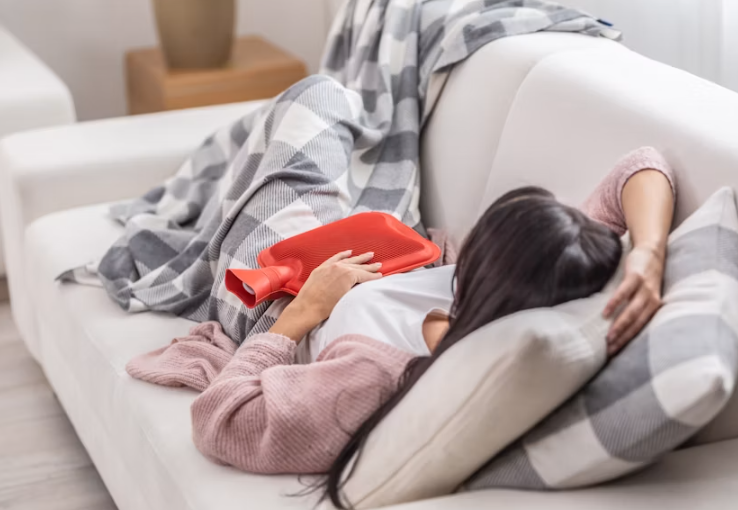
A few simple, low-cost adjustments made right at home often bring noticeable relief within minutes, no prescription required.
1. Heat Therapy Still Wins
Heat remains one of the most effective at-home methods for period cramps relief. A heating pad placed on the lower abdomen increases blood flow and relaxes tense uterine muscle. Clinical trials show continuous low-level heat performs comparably to ibuprofen for easing pain, without drug side effects.
- Apply for 15-20 minutes at a stretch
- Repeat several times daily during the worst hours
- Choose adjustable-temperature pads to avoid skin irritation
2. Adjust the Position
Certain positions ease tension in the pelvic floor and lower back faster than others. Curling into a fetal position, knees drawn toward the chest, is a widely recommended period pain relief position because it takes pressure off abdominal muscles. Lying on the side with a pillow between the knees offers a similar effect.
3. Yogic Practices That Calm the Uterus
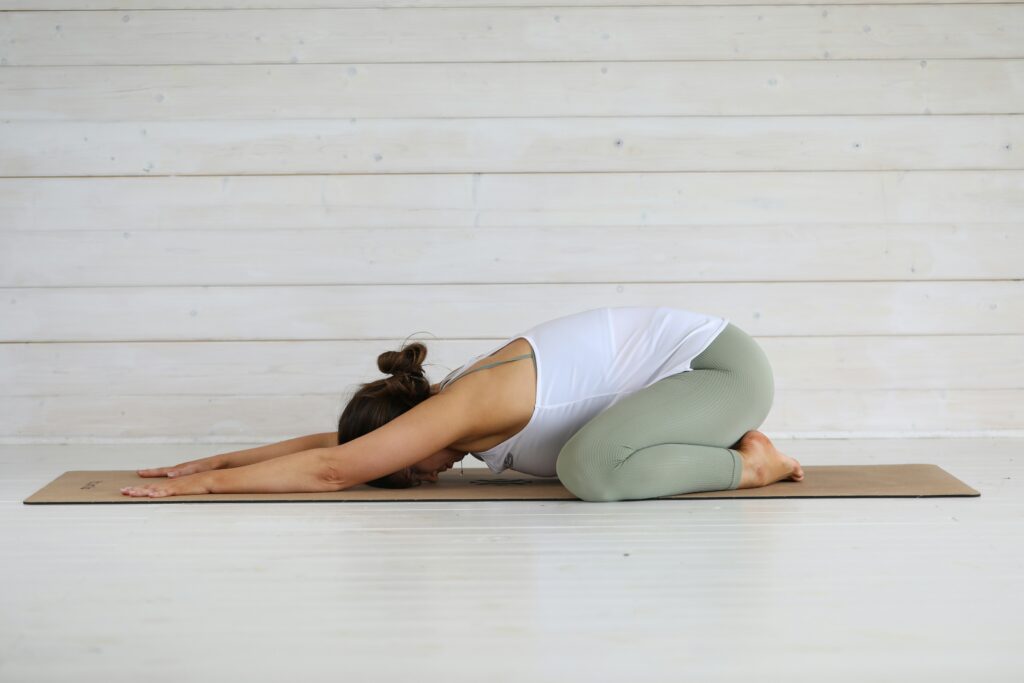
Specific yoga poses target the same muscle groups involved in cramping, and small clinical studies confirm measurable pain reduction after consistent practice.
- Child’s Pose (Balasana): Gently stretches the lower back and relaxes pelvic muscles
- Cat-Cow Flow: Mobilizes the spine and improves circulation to the abdomen
- Reclining Bound Angle Pose: Opens the hips and reduces tension around the uterus
- Seated Forward Bend: Compresses the abdomen gently, supporting severe period pain relief over several cycles
4. Breathing Techniques That Lower Pain Perception
Slow, diaphragmatic breathing does more than calm nerves. Studies on pain modulation show that deep belly breathing activates the parasympathetic nervous system, which lowers cortisol and reduces how intensely the brain registers pain signals.
- Inhale for a count of four through the nose, letting the belly expand
- Hold briefly, then exhale for a count of six through the mouth
- Repeat for five minutes while lying in a relaxed position
Pairing this with a warm compress often amplifies the calming effect, making it a simple companion to any other remedy on this list.
5. Exercise as a Legitimate Painkiller

Research consistently ranks exercise among the most effective non-drug treatments for menstrual pain. A 2024 network meta-analysis found that eight to twelve weeks of regular activity reduced cramp intensity and shortened how long pain lasted. Low-impact aerobic exercise, brisk walking, and swimming all qualify, and results tend to improve the longer the routine continues.
Consistent movement also improves mood and sleep quality, adding compounding benefits for anyone searching for reliable pain relief for period pain beyond a single cycle.
6. Unique, Research-Backed Remedies Worth Trying
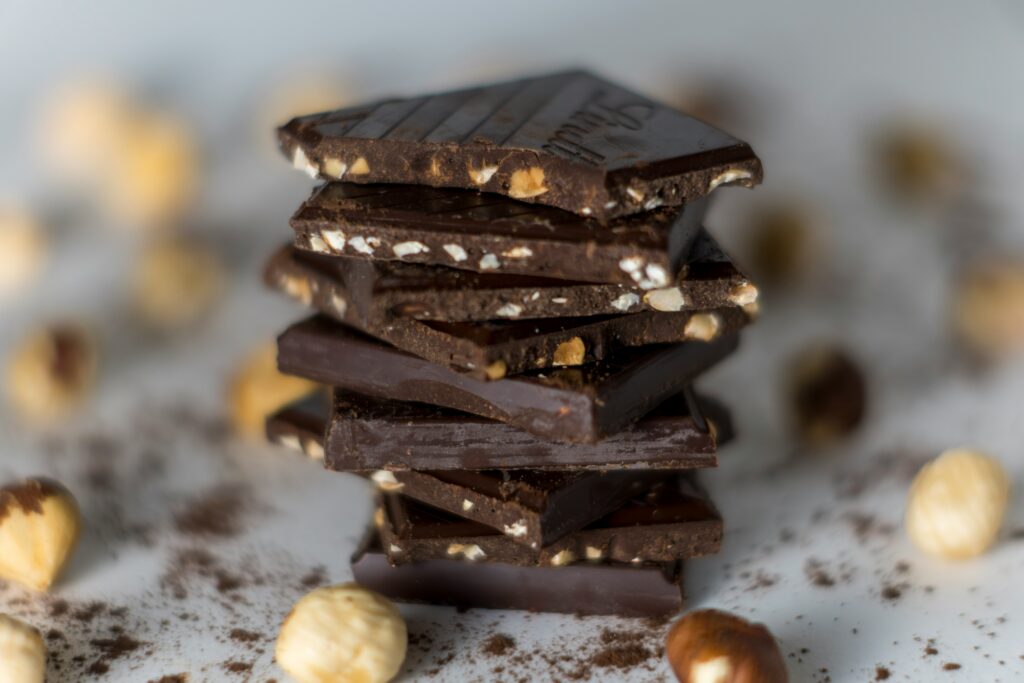
Beyond the standard advice, a handful of lesser-known remedies carry real clinical support.
| Remedy | What Research Shows |
| Cinnamon supplements | Taken three times daily for the first three days, cinnamon significantly shortens cramp duration and lowers intensity |
| Dark chocolate | Eating 40-120 grams (70% cocoa or higher) daily supplies magnesium, which relaxes uterine muscle |
| Acupressure at PC6 | Steady pressure on the inner wrist, three finger-widths below the palm, shows modest but measurable pain reduction |
| Gut-microbiota support | A 2024 study linked cramp severity to gut bacteria balance; a randomized trial found probiotics improved symptoms |
| TENS therapy | A Transcutaneous Electrical Nerve Stimulation unit sends mild pulses through adhesive pads to block pain signals |
Home TENS units cost under $30 and carry minimal side effects beyond mild tingling.
7. Small Diet Shifts That Add Up
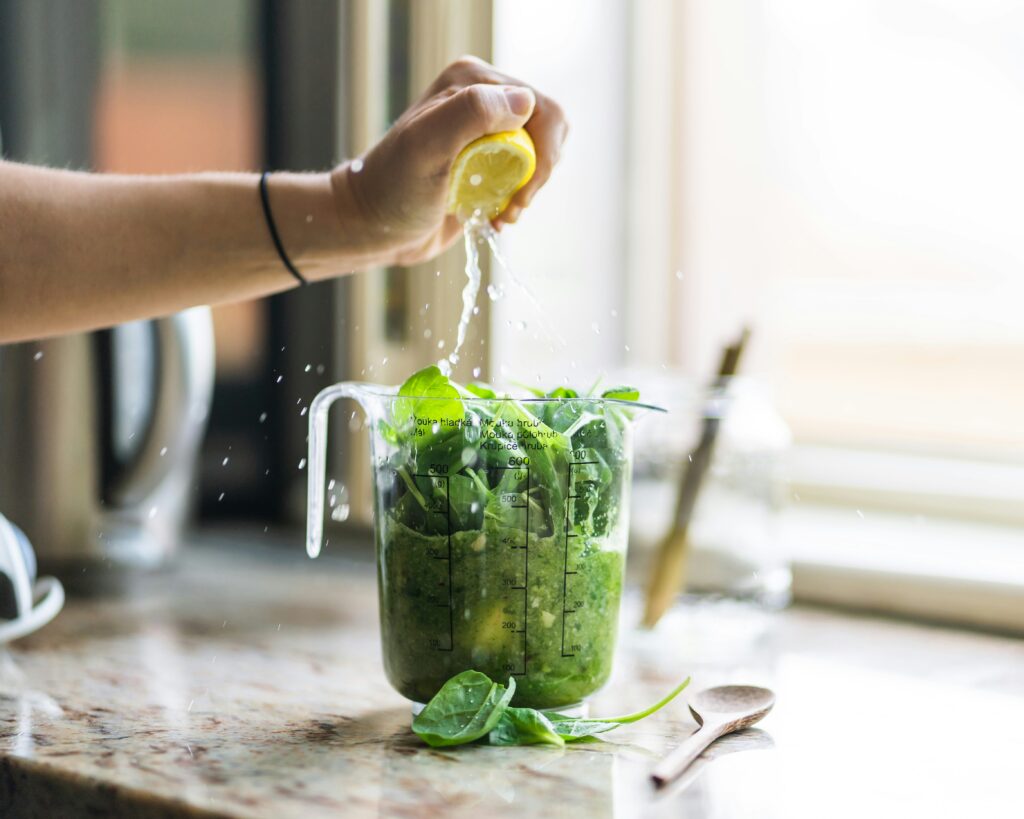
What fills a plate during a period can influence how prostaglandins behave. A few adjustments show consistent results in nutrition research:
- Increase magnesium-rich foods, such as leafy greens, almonds, and pumpkin seeds
- Add omega-3 sources, like salmon or flaxseed, to counter inflammation
- Cut back on salty and highly processed foods, which worsen bloating and pressure
- Limit caffeine and alcohol, both of which can intensify cramping for some people
Staying hydrated matters too, since dehydration makes the uterus work harder and can heighten discomfort.
8. OTC Options for Period Cramps Relief
When natural methods aren’t enough, several over-the-counter choices provide reliable stomach pain relief and stay widely available across US pharmacies.
| Option | How It Works | Best For |
| NSAIDs (ibuprofen, naproxen) | Lowers prostaglandin production | Best period pain relief for most people |
| Midol | Combines a pain reliever, diuretic, and caffeine | Bloating alongside cramps |
| Period pain relief patches | Deliver adhesive, low-level heat directly to skin | Discreet, on-the-go period stomach pain relief |
NSAIDs typically work best when taken at the first sign of cramping, before prostaglandin levels peak, rather than after pain turns severe.
9. When Cramps Signal Something More
Occasional discomfort during a period is normal, but pain that disrupts daily activities, worsens with each cycle, or fails to respond to standard treatment needs medical attention. Conditions such as endometriosis or fibroids may require dedicated severe period pain relief strategies, including prescription-strength anti-inflammatories or hormonal therapy.
A healthcare provider can identify the underlying cause and recommend a treatment plan built around long-term comfort, not just the current cycle.
The Bottom Line
Cramps don’t have to dictate a month. Combining heat, movement, targeted yoga, and proven remedies like cinnamon or magnesium-rich chocolate covers most cases of period cramps relief, while OTC options and patches handle the rest. For persistent or severe pain, a doctor visit ensures the right long-term plan.
Frequently Asked Questions
What is the fastest way to get period cramps relief?
Heat therapy works fastest, often easing pain within 15-20 minutes. Placing a heating pad on the lower abdomen relaxes uterine muscle and boosts blood flow. NSAIDs taken early in a cycle also act quickly.
Does Midol work better than ibuprofen for cramps?
It combines a pain reliever with a diuretic and caffeine, targeting bloating alongside cramps. Plain ibuprofen may offer stronger anti-inflammatory action for pain alone. The better choice depends on which symptom feels most disruptive.
Can exercise really help with period cramps pain relief?
Yes, regular exercise ranks among the most effective non-drug treatments in clinical research. Eight to twelve weeks of consistent activity reduces cramp intensity and duration. Even light walking during a period eases discomfort.
Are period pain relief patches safe to use daily?
Yes, adhesive heat patches are generally safe for daily use throughout a period. They deliver low-level, continuous warmth similar to a hot water bottle. Discontinue use if skin irritation develops.
When should severe period pain see a doctor?
See a doctor if pain disrupts daily life, worsens each cycle, or doesn’t improve with standard remedies. These signs may point to endometriosis, fibroids, or another condition. Early evaluation leads to better long-term management.