A warm palm, an antihistamine drop, and a few minutes away from the trigger can calm red, itchy eyes fast. Allergic conjunctivitis rarely needs a hospital visit, and most cases settle within days once the right combination of home care and eye drops is in place. This guide breaks down the causes, the fastest treatment options, and exactly when symptoms call for a doctor’s opinion.
What Is Allergic Conjunctivitis?
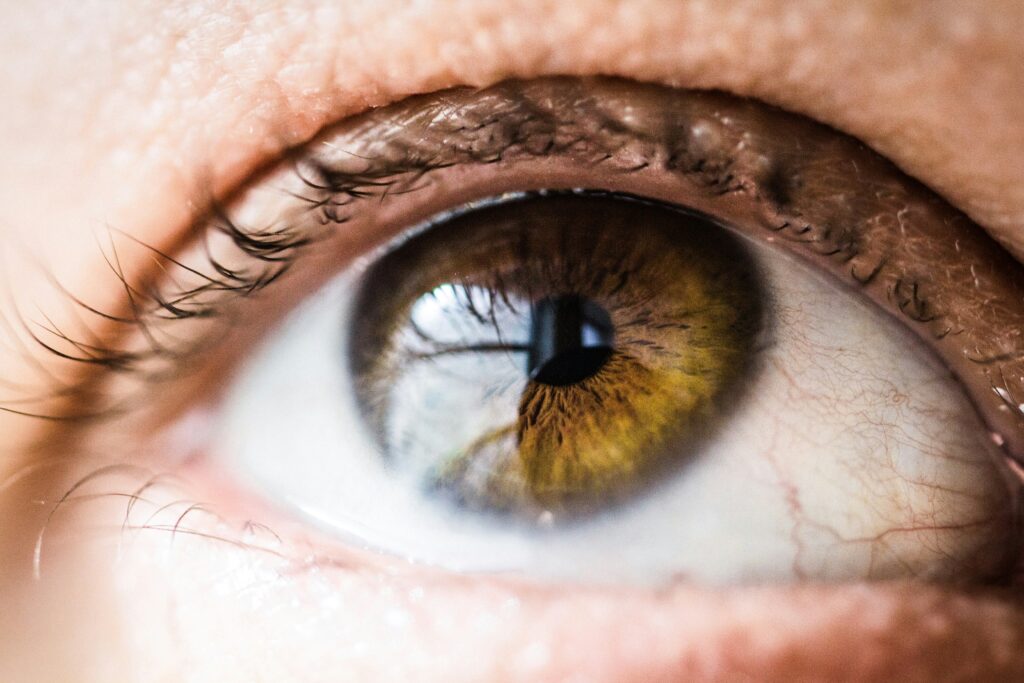
Allergic conjunctivitis develops when the thin membrane covering the white of the eye and inner eyelid, called the conjunctiva, reacts to an airborne allergen. The immune system releases histamine, and that chemical response causes the redness, swelling, and itch that define the condition. Unlike infectious conjunctivitis, this type is not contagious and does not involve bacteria or a virus, which changes how it should be treated entirely.
What Causes Allergic Conjunctivitis
Among the most common allergic conjunctivitis causes are pollen, pet dander, dust mites, and mould spores drifting through indoor and outdoor air. Seasonal patterns often make pollen the leading trigger during spring and early summer months. Perfumes, certain cosmetics, and preservatives in contact lens solution can also spark a reaction in sensitive individuals. Once the eyes encounter the allergen, symptoms typically appear within minutes rather than building slowly over hours.
Common Symptoms to Recognize
Symptoms often overlap with other eye conditions, so recognizing the specific pattern helps in choosing the right response quickly.
- Redness across the white of the eye, often in both eyes at once
- Intense itching that worsens with rubbing or touching
- Watery discharge that stays clear rather than thick or colored
- Swollen, puffy eyelids after prolonged allergen exposure
- A gritty or burning sensation along the lash line
These symptoms usually affect both eyes simultaneously, which is one clue that separates allergies from a single-eye infection.
How to Treat Allergic Conjunctivitis
Learning how to treat allergic conjunctivitis starts with removing the trigger and calming the immune response, well before reaching for stronger medication.
Home Remedies
Simple, low-cost remedies handle mild flare-ups effectively and require no prescription at all.
- Cold compress: A chilled, damp washcloth over closed eyelids for ten minutes reduces swelling and eases itching almost immediately.
- Saline rinse: Sterile saline solution flushes pollen and dust off the eye surface after outdoor exposure.
- Chilled tea bags: Cooled, used tea bags placed over the eyes calm puffiness through their mild astringent properties.
- Avoid rubbing: Rubbing releases more histamine and worsens irritation, even though the urge feels hard to resist.
Yogic Practices and Eye Exercises
Gentle movement and breathing techniques support circulation and lower stress-related inflammation alongside other remedies.
- Palming: Rub the palms together for warmth, then cup them gently over closed eyes for thirty seconds to relax the eye muscles.
- Eye rotations: Slow clockwise and counter-clockwise rotations, followed by rapid blinking, help tears spread evenly across the surface.
- Alternate nostril breathing: This calming pranayama technique lowers overall stress, and since stress can intensify allergic reactions, a few minutes daily may reduce flare-up frequency over time.
Best Eye Drops for Allergies
When home remedies fall short, choosing among the best eye drops for allergies becomes the next practical step.
Over-the-Counter Options
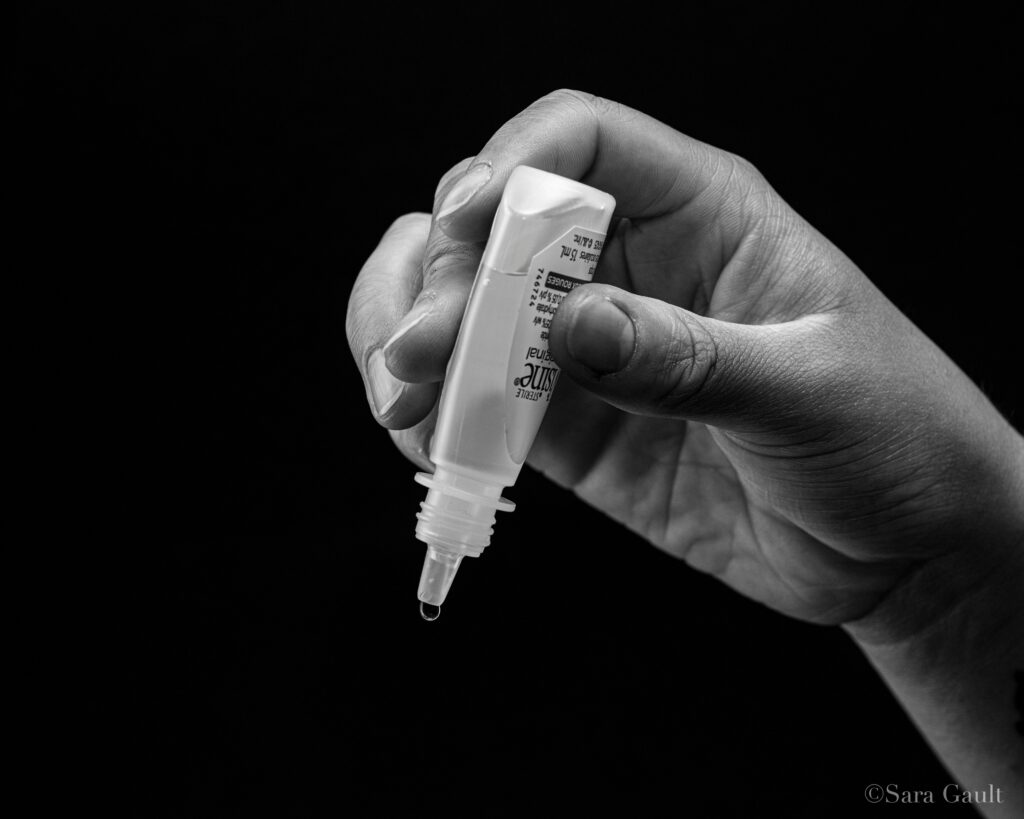
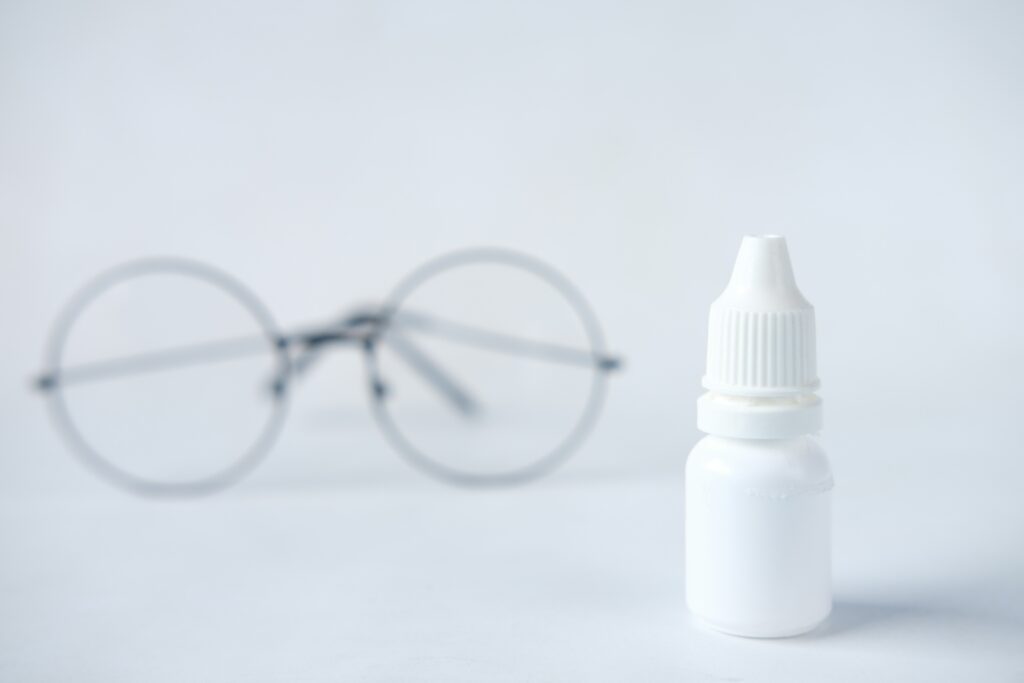
Several over-the-counter (OTC) antihistamine eye drops are widely available across the United States without a prescription.
| Brand | Active Ingredient | Best For |
| Alaway antihistamine eye drops | Ketotifen | Fast relief from itching and watering |
| Pataday eye drops | Olopatadine 0.2% | Once-daily seasonal allergy control |
| Zaditor | Ketotifen | Mild to moderate itch relief |
| Refresh or Systane | Lubricant only | Diluting allergens and easing dryness |
Among the best over the counter allergy eye drops, olopatadine 0.2 formulas stand out for combining antihistamine and mast-cell stabilizing effects in a single, once-daily dose. Pataday allergy eye drops use this same active ingredient and typically control symptoms for a full twenty-four hours after one application.
Prescription Options
For symptoms that resist OTC treatment, prescription allergy eye drops offer stronger and longer-lasting control. Patanol eye drops, an earlier formulation of olopatadine, require twice-daily dosing and remain effective for moderate to severe allergic reactions. A doctor may also prescribe short-term steroid drops for particularly stubborn flare-ups, though these need close monitoring due to potential side effects.
When Dry Eyes Overlap
Allergies and dryness frequently occur together, since rubbing and inflammation both disrupt the eye’s natural tear film. Prescription eye drops for dry eyes, combined with eye drops for itchy dry eyes available over the counter, can address both problems without conflicting with allergy treatment. Using a preservative-free lubricant alongside an antihistamine drop typically works well for this overlap.
Preventing Future Flare-Ups

Prevention often reduces how often eye drops become necessary in the first place. A few consistent habits keep allergic conjunctivitis from returning as frequently.
- Keep windows closed on high-pollen days and rely on air conditioning instead
- Wash hands and face after time spent outdoors or handling pets
- Wash pillowcases and bedding weekly in hot water to cut down on dust mites
- Wear wraparound sunglasses outdoors to physically block airborne allergens
- Swap contact lenses for glasses temporarily during an active flare-up
Keeping a small bottle of over the counter antihistamine eye drops on hand also helps catch symptoms early, before they escalate into a full flare-up.
When to See a Doctor
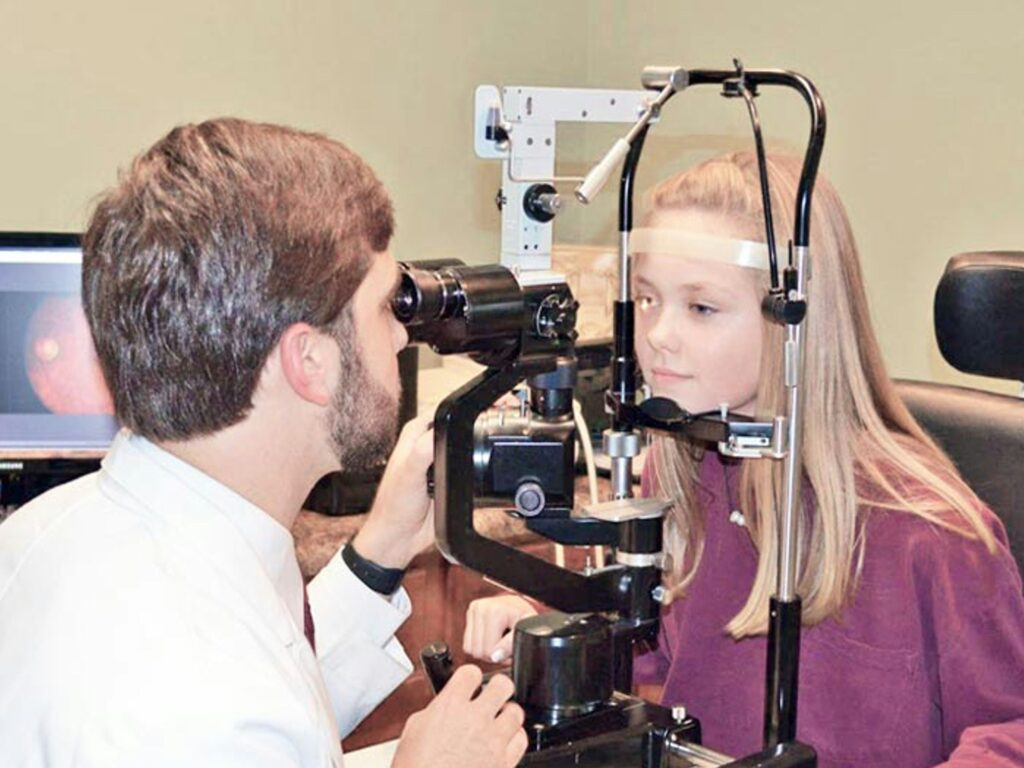
Most cases of allergic conjunctivitis respond to home care and OTC drops within a few days, but certain signs call for professional evaluation.
- Vision changes, blurring, or noticeable light sensitivity
- Thick, colored discharge instead of clear, watery fluid
- Pain rather than mild irritation or itchiness
- Symptoms lasting beyond two weeks despite consistent treatment
- Swelling severe enough to limit eyelid movement
A doctor can rule out infectious conjunctivitis or other conditions that mimic allergies but need entirely different treatment.
Final Thoughts
Symptoms usually respond fast to a layered approach: avoiding triggers, applying a cold compress, and using the right antihistamine drop for the situation. When symptoms persist or worsen, prescription options and a doctor’s evaluation close the gap that home remedies cannot cover.
Frequently Asked Questions
1. What is allergic conjunctivitis, and how is it different from pink eye?
Allergic conjunctivitis is an allergen-driven reaction, while infectious pink eye involves bacteria or a virus. Allergic cases affect both eyes and are not contagious, unlike infectious conjunctivitis.
2. What are the best over the counter allergy eye drops for daily use?
Olopatadine 0.2 formulas, including Pataday eye drops, offer reliable once-daily control for most people. Ketotifen-based options like Alaway antihistamine eye drops work well for milder, occasional symptoms.
3. Can allergic conjunctivitis clear up without any medication?
Mild cases often improve within days using cold compresses, saline rinses, and allergen avoidance alone. Persistent or worsening symptoms usually benefit from an antihistamine drop or oral medication.
4. Are prescription allergy eye drops stronger than over-the-counter options?
Prescription formulas, including some steroid drops, generally offer faster and stronger control for severe symptoms. They also require closer monitoring, so a doctor typically reserves them for resistant cases.
5. Do yogic eye exercises actually help with allergic conjunctivitis?
Palming and gentle eye rotations improve circulation and can ease general discomfort during a flare-up. They support other remedies but do not replace antihistamine treatment when symptoms are more severe.