A racing heart, a tight chest, and a mind that won’t slow down rarely need an explanation. What they need is a plan, and this guide covers 15 research-tested paths to stress and anxiety relief, why the body reacts this way in the first place, and which methods work fastest when symptoms hit hard.
What Stress and Anxiety Feel Like
Stress and anxiety show up differently for everyone, but certain patterns repeat across most cases.
Physical signs to watch for:
- A pounding pulse, shallow breathing, or a tight chest that appears without warning
- Clenched shoulders, a tight jaw, or sweaty palms during ordinary moments
- An upset stomach, headaches, or fatigue that lingers despite adequate rest
Mental and emotional signs to watch for:
- Racing thoughts or a persistent sense that something is about to go wrong
- Restlessness, irritability, or trouble concentrating on routine tasks
- A sudden urge to avoid social situations or postpone simple decisions
These symptoms overlap heavily, which makes stress and anxiety difficult to tell apart in the moment. Recognizing the pattern early makes it far easier to respond before it builds into something harder to manage.
Why Stress and Anxiety Happen

Stress is the body’s built-in alarm system, and anxiety often grows out of how that system gets triggered.
- The stress response: The adrenal glands release cortisol and adrenaline whenever the brain senses a threat, deadline, or conflict, preparing the muscles and lungs for quick action.
- Mismatched design: This response evolved for short bursts of danger, not for back-to-back meetings or financial pressure that lingers for weeks at a time.
- Anticipation over event: Anxiety frequently stems from anticipating a problem rather than reacting to one that has actually happened.
- Individual risk factors: Genetics, brain chemistry, past experiences, and current circumstances all shape how intensely a person reacts to pressure.
- The long-term cost: Chronic, unmanaged stress gradually wears down the nervous system’s ability to reset, making anxiety more likely to take hold over time.
15 Stress Relief Techniques Backed by Research
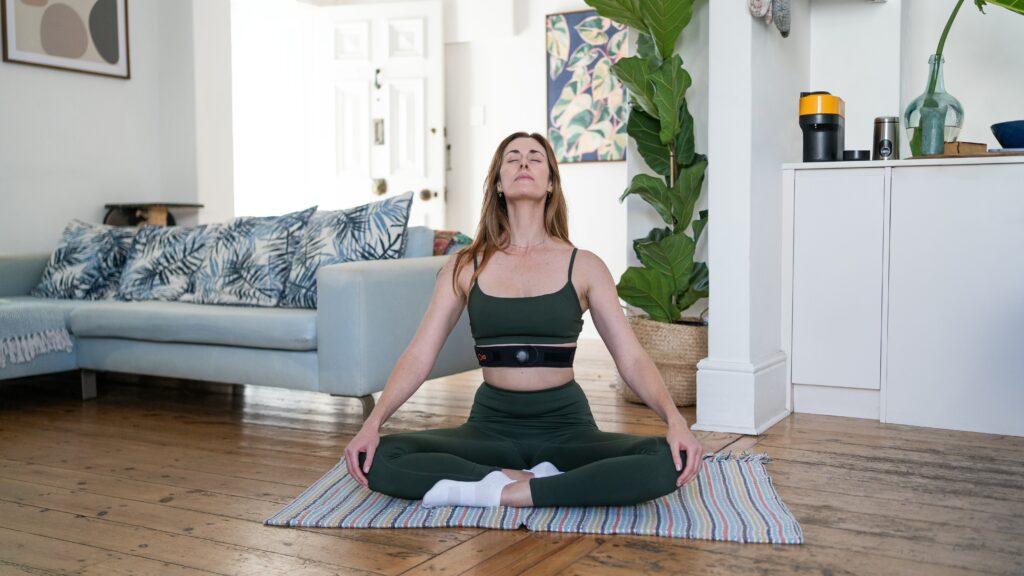
These 15 stress relief techniques range from instant calming tricks to long-term, natural stress relief habits, each supported by clinical or physiological research.
Fast-Acting Techniques
- Box breathing: Inhale, hold, exhale, and hold again for four counts each. A 2017 study found deep breathing techniques significantly lowered cortisol and reduced measures of stress, anxiety, and depression compared to baseline.
- Progressive muscle relaxation: Tense and release each muscle group from feet to head. A systematic review of adult trials found effect sizes ranging from small to large for anxiety reduction, making it one of the more reliably studied techniques on this list.
- Cold water splash: Splashing cold water on the face triggers the mammalian dive reflex, a physiological response that slows heart rate within seconds.
- Grounding technique (5-4-3-2-1): Naming five things seen, four heard, three touched, two smelled, and one tasted interrupts spiraling thoughts by redirecting attention to the senses.
- Stress relief balls: Squeezing a textured ball redirects nervous energy through the hands, working on the same sensory-outlet principle behind many stress relief toys used in offices and classrooms.
- Stress relief music: Listening to slow-tempo tracks around 60 beats per minute has been linked to lower cortisol and steadier, less shallow breathing.
Short-Term Daily Habits
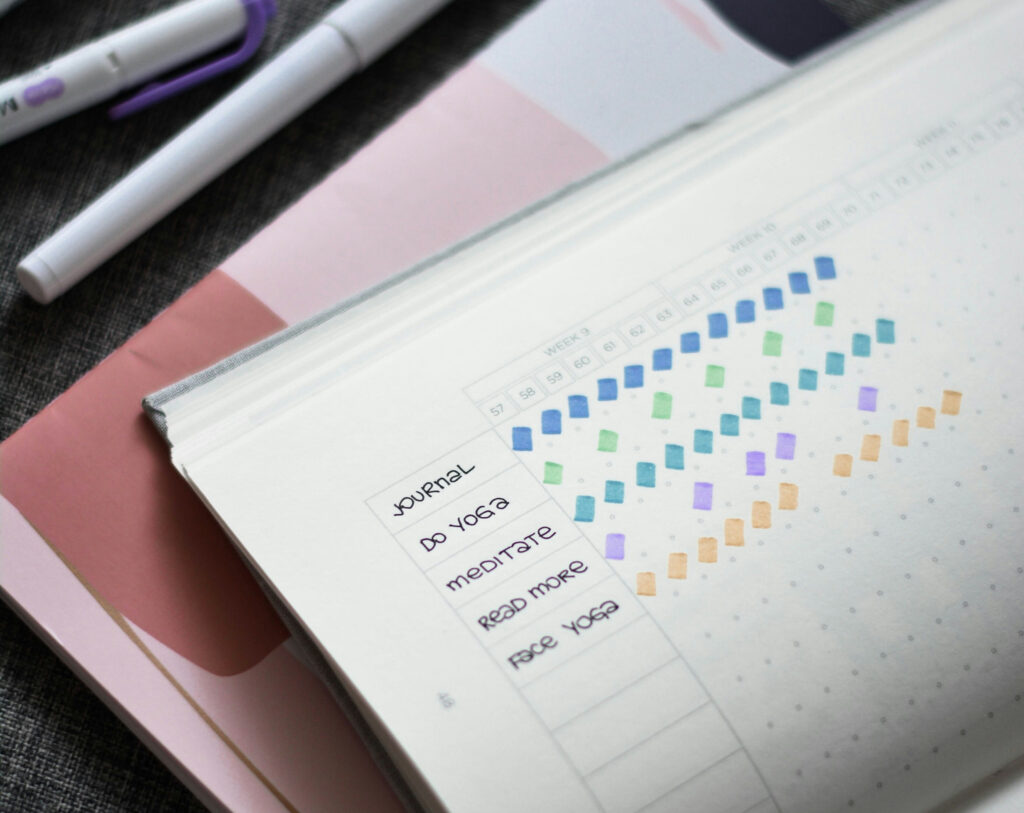
- Journaling: Writing down worries for ten minutes helps externalize racing thoughts and creates measurable emotional distance from them.
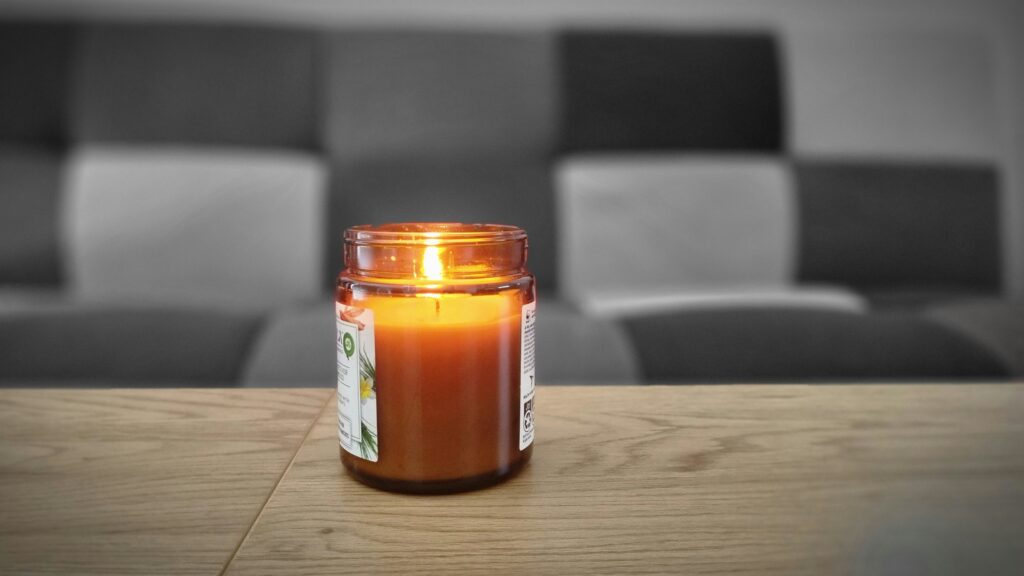
- Stress relief candle: Scents like lavender and chamomile activate the limbic system, the brain region tied to emotion, through simple aromatherapy.
- Stress relief lotion: A calming lotion combines touch and scent in one step, pairing two senses known to lower stress hormone activity.
- Movement breaks: A brisk ten-minute walk releases endorphins and clears mental fog almost immediately, even during a packed workday.
- Digital boundaries: Muting notifications for set periods reduces the constant low-grade alertness that screens tend to trigger throughout the day.
Long-Term Practices
- Yoga for stress relief: A 2025 network meta-analysis of 44 studies found this practice produced the largest cortisol reduction among all exercise types studied, ahead of running, cycling, and strength training.
- Massage for stress relief: A meta-analysis of 37 randomized studies found single massage sessions significantly reduced state anxiety, heart rate, and blood pressure, even without a measurable change in cortisol.
- Ashwagandha: A 2025 meta-analysis of 15 randomized trials involving 873 adults found this adaptogenic herb significantly reduced both anxiety scores and cortisol levels compared to placebo.
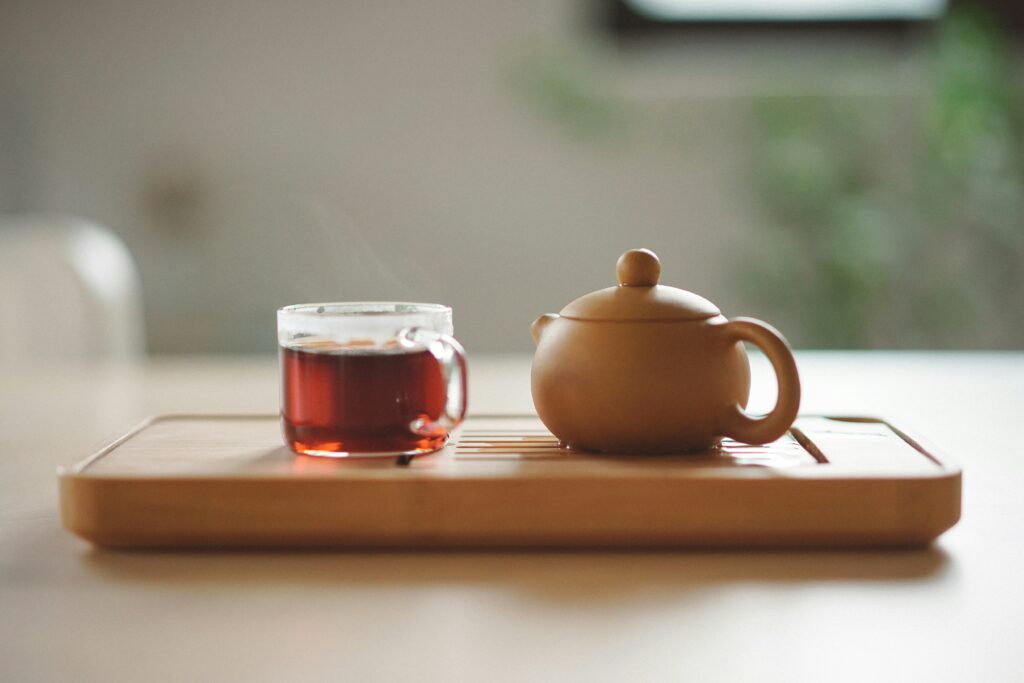
- Stress relief tea: A randomized trial of 179 adults with generalized anxiety disorder found chamomile extract produced a clinically meaningful reduction in symptoms over eight weeks, similar in scale to some conventional treatments.
Fastest Anxiety and Stress Relief Techniques
Not every method needs equal time to take effect on the body and mind. Breathing exercises are some of the quickest anxiety and stress relief tools available. They work within one to three minutes because they directly influence the nervous system. Stress relief balls and stress relief music offer relief almost as quickly, giving restless hands or an overloaded mind something productive to focus on.
Techniques involving supplements, tea, or lifestyle shifts take longer, often weeks, to show measurable results. It helps to use fast-acting methods during an acute spike and layer in slower, cumulative habits for change that lasts.
When Natural Remedies Help
Natural stress relief works well for mild, everyday tension that doesn’t significantly interfere with daily functioning or sleep.
- Best-fit situations: Occasional stress, mild anxiety before a specific event, or a wind-down routine built around stress relief supplements or stress relief tea.
- Strongest evidence: Yoga for stress relief showed the largest cortisol reduction among all exercise types in a 2025 review, and massage for stress relief has repeatedly outperformed passive rest for lowering state anxiety in clinical trials.
- Herbal support: Ashwagandha and stress relief tea both carry randomized trial data behind them, while a stress relief candle or stress relief lotion adds a lower-evidence but low-risk layer through touch and scent.
- How to start: These remedies work best as part of a consistent routine rather than a one-time fix reached for during a crisis, and stress relief supplements should be checked against existing medication with a healthcare provider first.
When to See a Doctor
Occasional stress is a normal part of life, but certain signs call for closer professional attention.
- Anxiety that interferes with work, relationships, or sleep for more than two weeks in a row
- Chest pain or frequent tension headaches that don’t respond to basic stress headache relief methods like rest or hydration
- Panic attacks, a racing heart at rest, or a persistent sense of dread with no clear trigger
A doctor can rule out underlying conditions and recommend therapy, medication, or a combination suited to individual needs. Seeking help early tends to lead to faster, more lasting stress and anxiety relief than waiting until symptoms feel completely overwhelming.
Frequently Asked Questions
1. What is the fastest way to relieve stress in the moment?
Box breathing and cold water splashes work within minutes by directly calming the nervous system. Both are simple, require no equipment, and can be done almost anywhere.
2. Can natural remedies replace anxiety medication?
Natural remedies work well for mild, everyday stress but are not a substitute for prescribed medication in diagnosed anxiety disorders. Always consult a doctor before changing any treatment plan.
3. How long does ashwagandha take to reduce stress?
Randomized trials show measurable reductions in anxiety scores and cortisol within six to eight weeks of consistent daily use. Results vary based on dosage and individual response.
4. Are stress relief toys effective for adults?
Yes, fidget tools and stress balls provide a quick sensory outlet that can reduce restlessness and redirect nervous energy. Many adults find them useful during high-pressure workdays.
5. When should stress or anxiety be treated as a medical concern?
If symptoms persist for over two weeks or interfere with daily functioning, professional evaluation is recommended. Physical symptoms like chest pain or panic attacks should never be ignored.